
Last updated September 10, 2026
Level 1 sweep and inspection to the NFPA 211 annual standard - flue, crown, cap, and flashing checked and photographed
Chimney sweep logs do not sweep chimneys. They loosen some creosote - which then falls where a brush and vacuum still have to collect it.
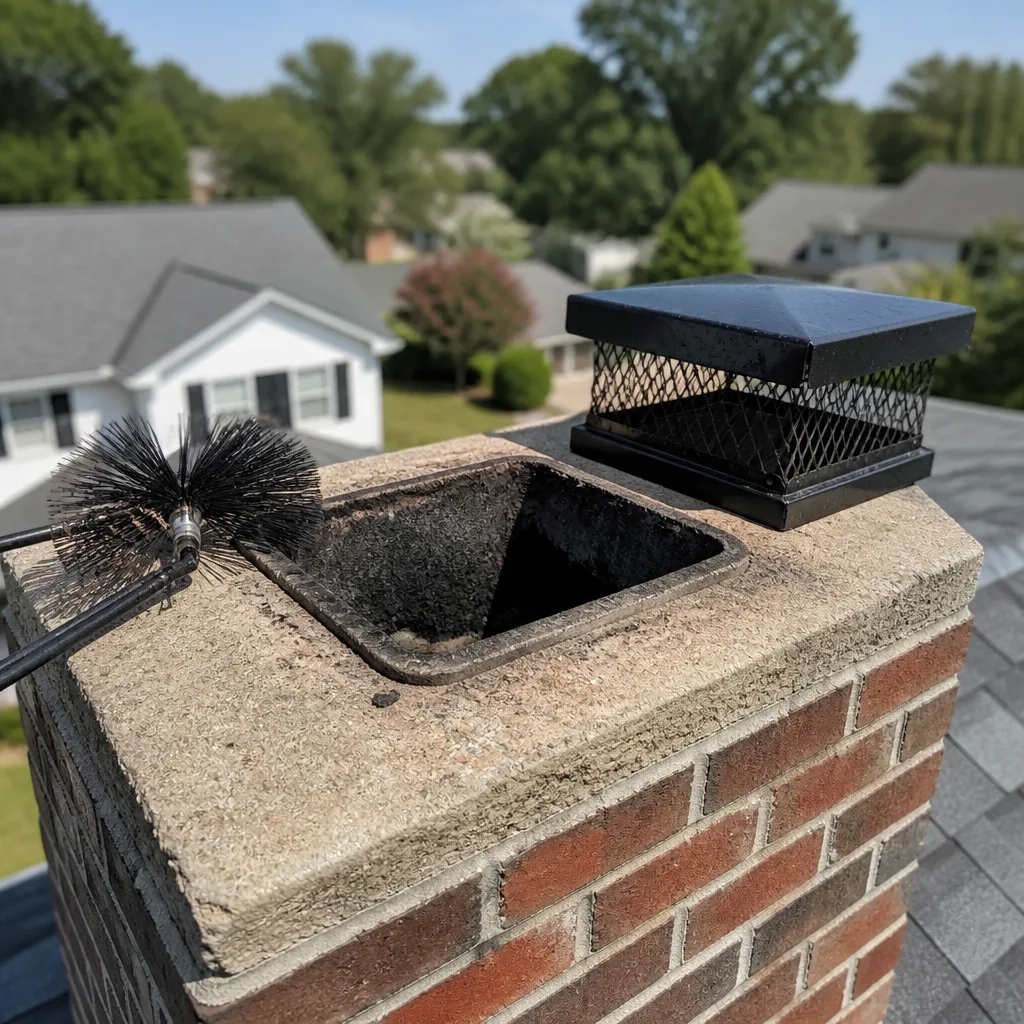
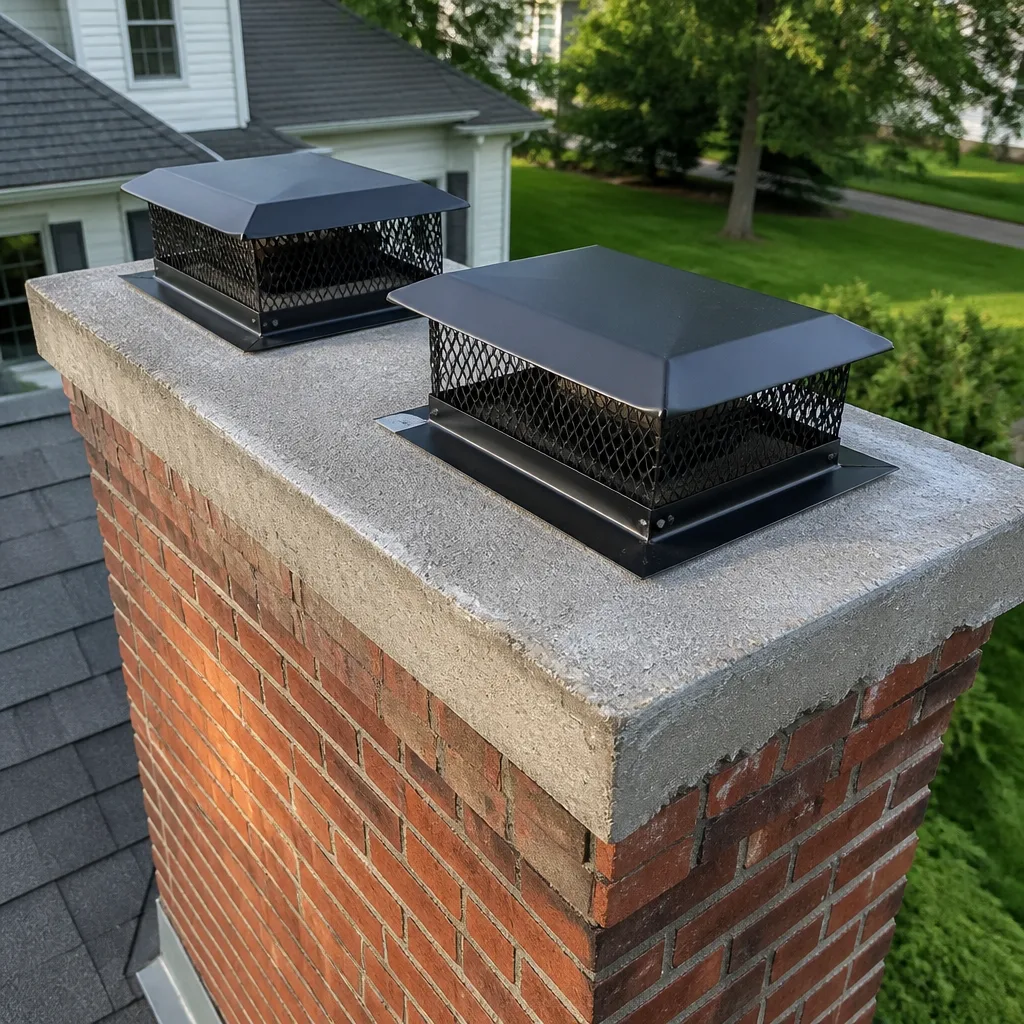

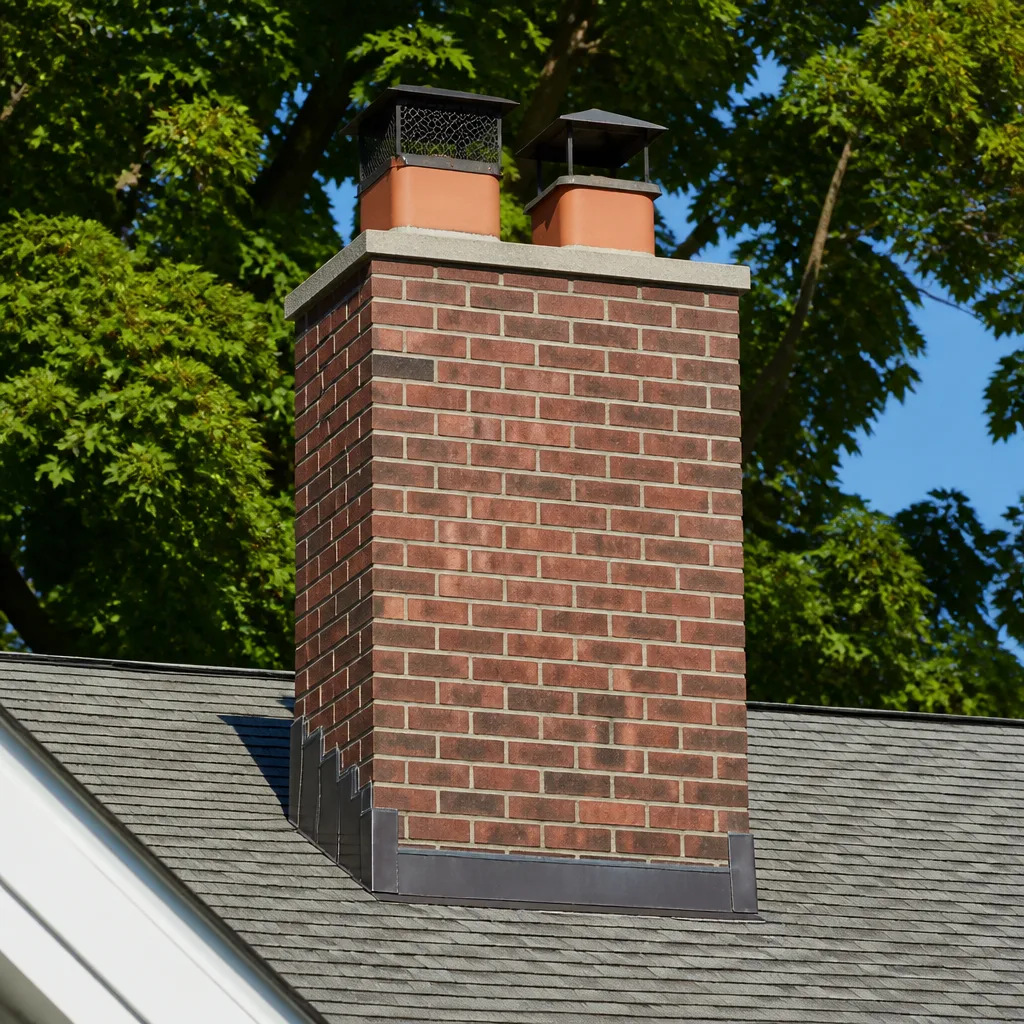
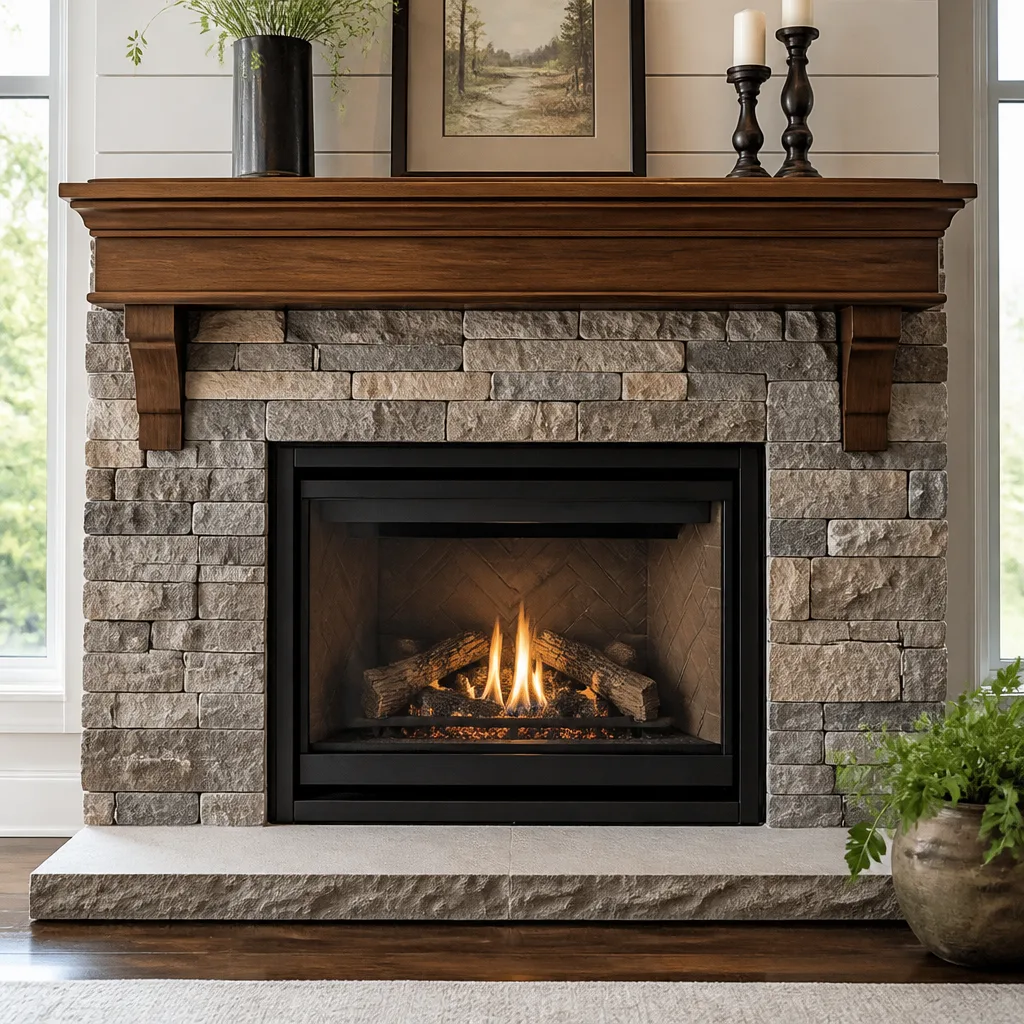
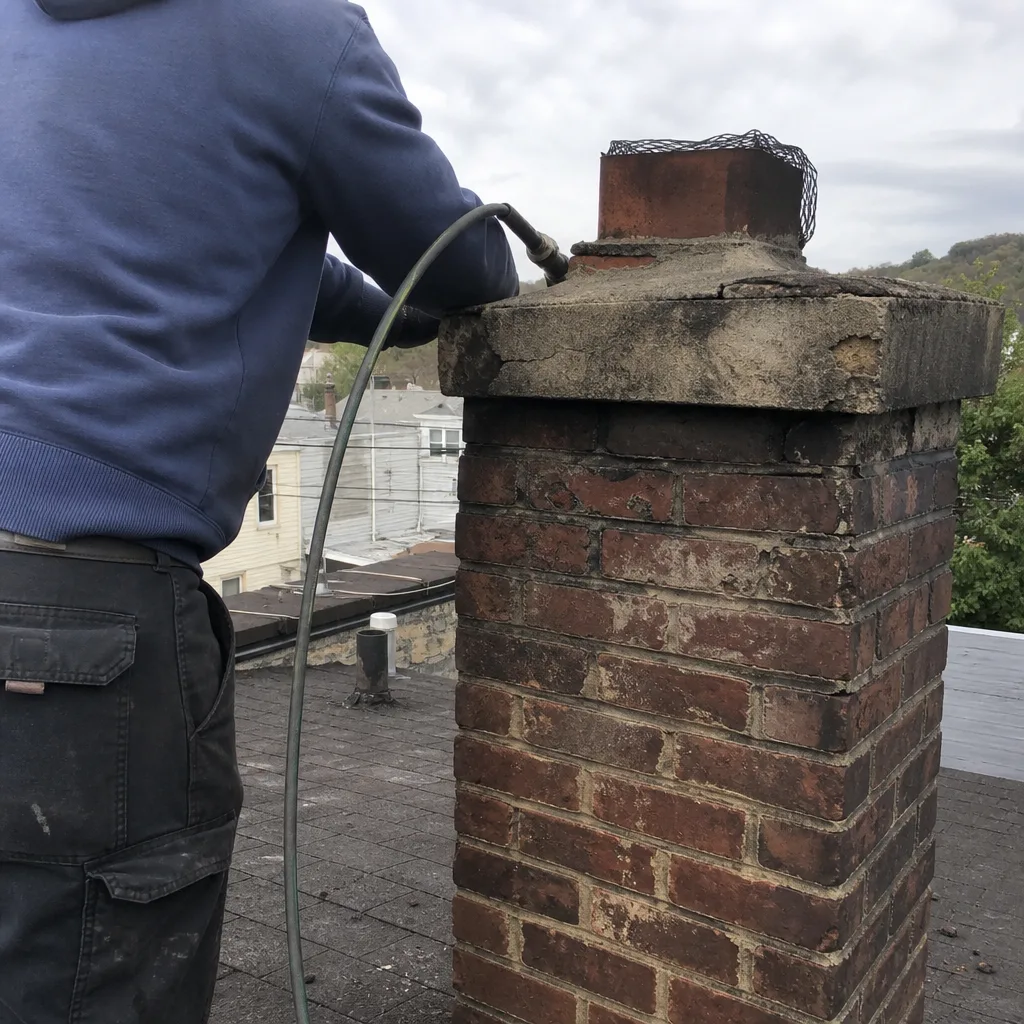 Before
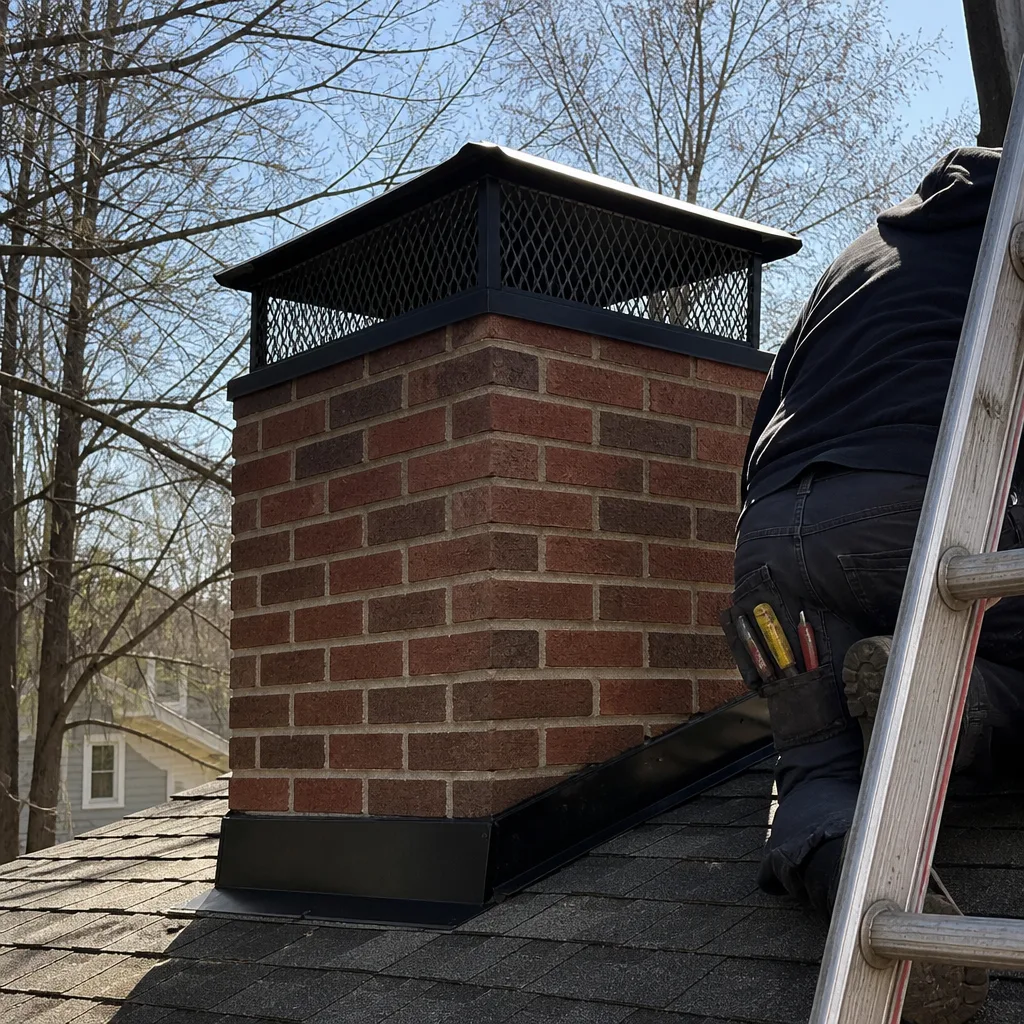 After
After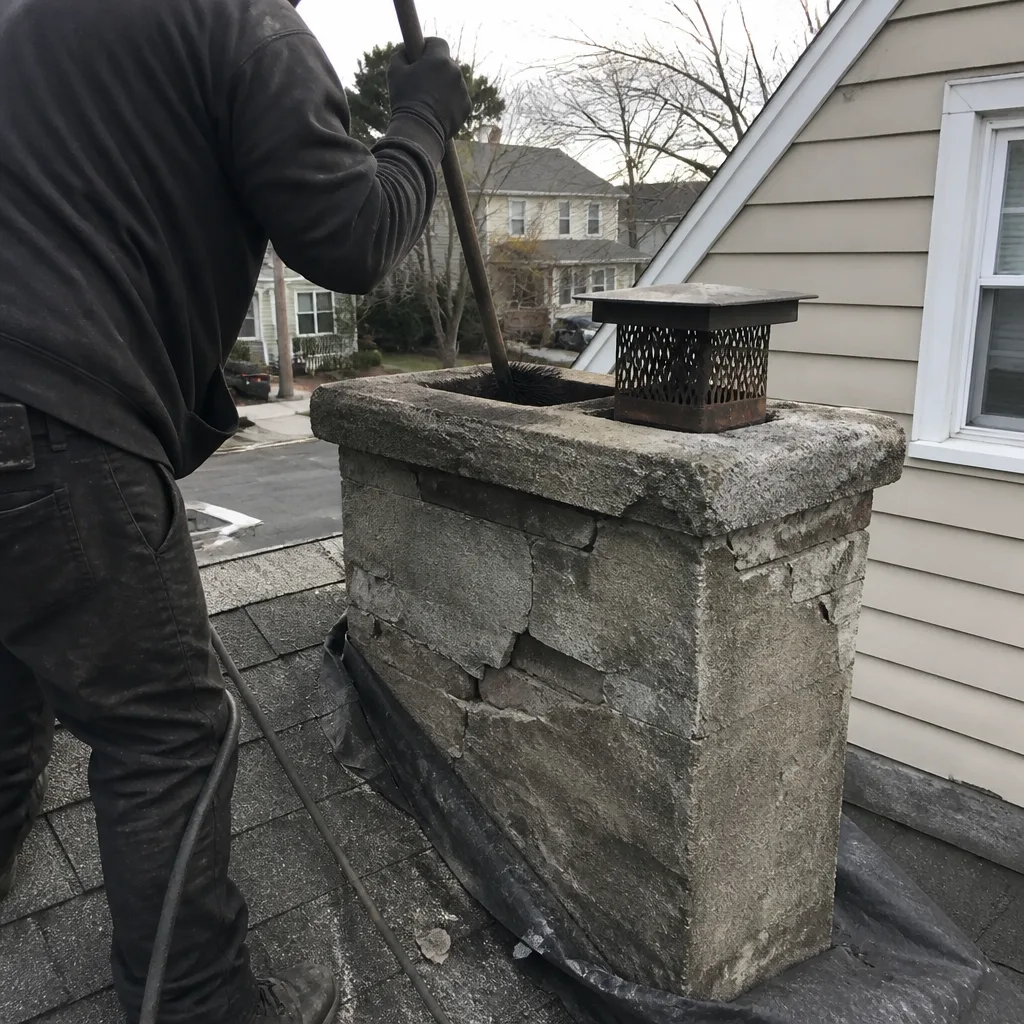 Before
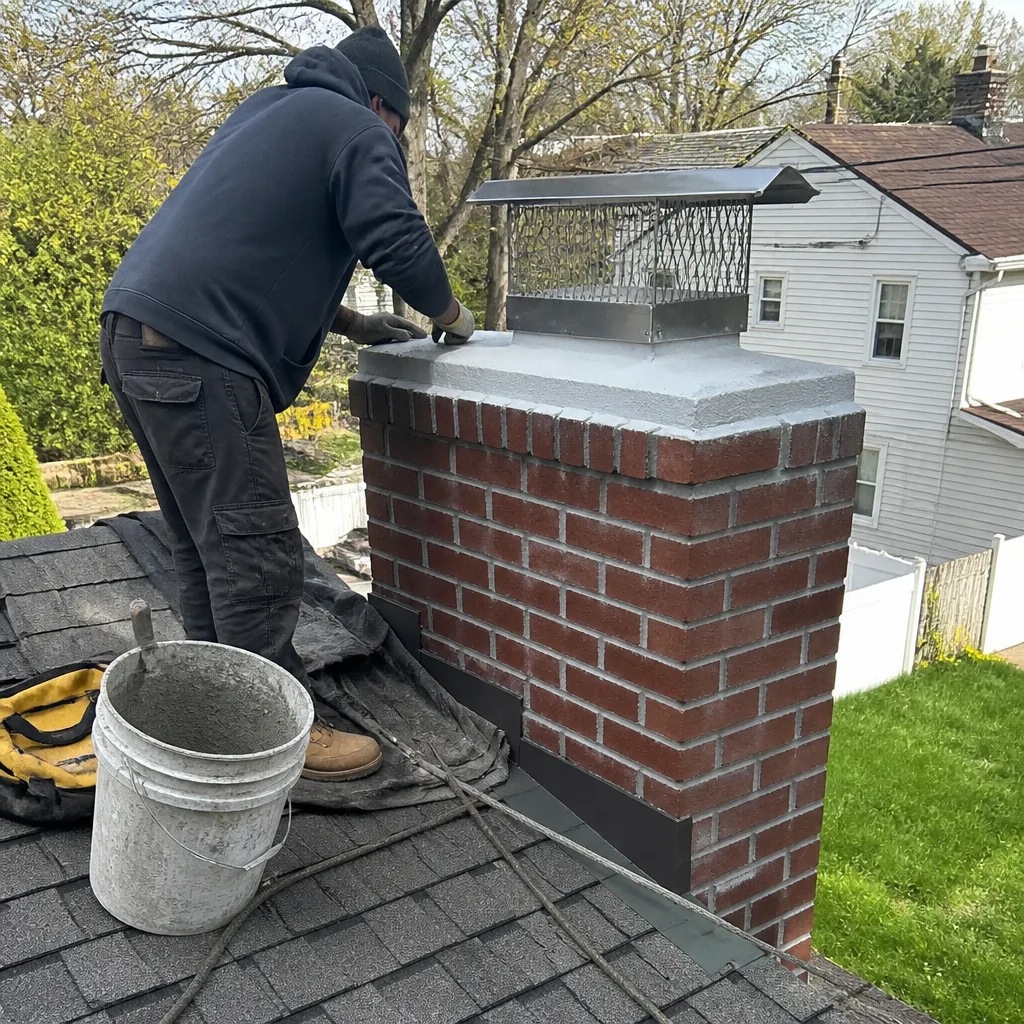 After
After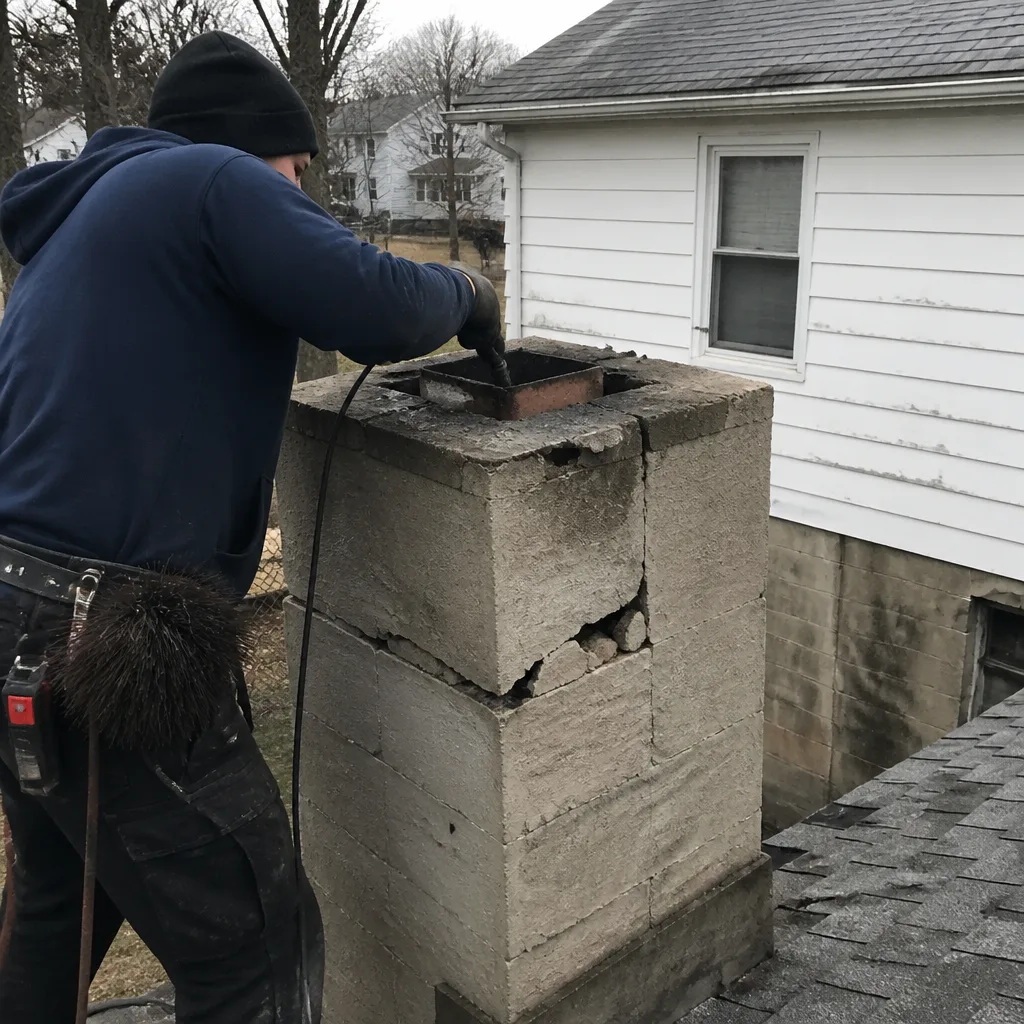 Before
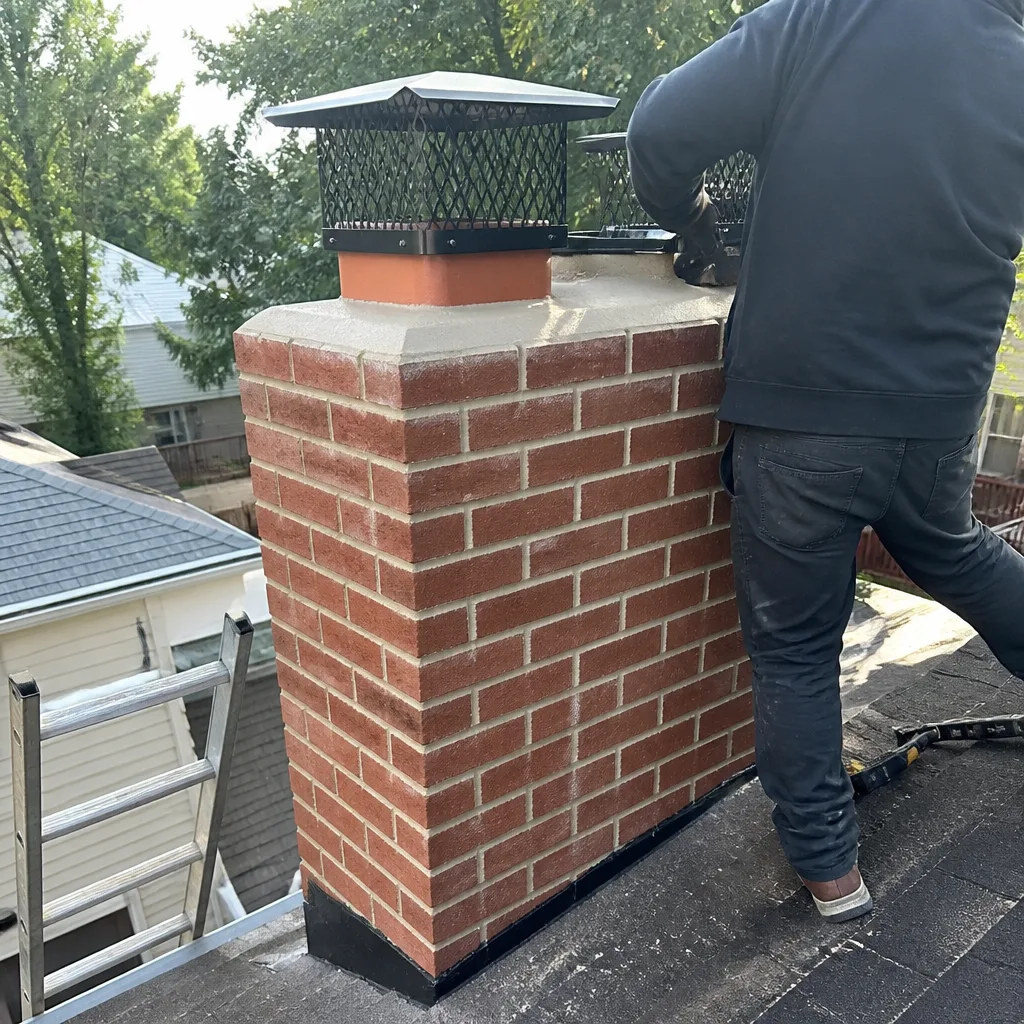 After
AfterThe Complete Guide to Chimney Cleaning in Paterson
Paterson’s housing inventory skews older than 90% of New Jersey municipalities - which means a large share of local chimneys were built before modern flue-liner standards existed, and are still in daily use. A chimney sweep in Paterson is not performing the same job as one in a Morris County subdivision built in 1998. The brick row houses along East 18th Street, the converted oil-burner flues in Lakeview, and the interior chimney runs in Hillcrest’s pre-war stock all demand a different protocol than a modern manufactured fireplace with a stainless liner. In this guide, we’ll map exactly what chimney cleaning looks like in Paterson’s actual housing stock - not a suburban colonial in some stock photo.
Quick Answer
Chimney cleaning in Paterson typically costs between $189 and $329 for a standard sweep and Level-1 inspection, with Level-2 camera inspections running $289 to $449 depending on accessibility and flue condition. Most Paterson homes need sweeping annually if the fireplace or heating appliance is used regularly, though oil-conversion flues and pre-1940 brick chimneys often require more frequent monitoring due to creosote buildup patterns unique to older, unlined or partially lined systems.
Table of Contents
- Why Paterson’s Housing Stock Changes Everything About Chimney Cleaning
- How Pre-1940 Paterson Brick Chimneys Behave Differently During Cleaning
- The Oil-to-Gas Conversion Legacy and What It Means for Your Flue
- Creosote Risk in Paterson’s Shorter, Interior Chimney Runs
- What Actually Happens During a Professional Chimney Cleaning
- Reading Your Post-Cleaning Documentation: Photos, Reports, and Verdicts
- What Chimney Cleaning Costs in Paterson
- Common Mistakes to Avoid
- When to Call a Professional
- Frequently Asked Questions
- The Bottom Line
Why Paterson’s Housing Stock Changes Everything About Chimney Cleaning
Paterson’s building age profile is not a footnote. It’s the central fact that determines how a chimney sweep must approach your home. According to Census data, the majority of Paterson’s residential structures were built before 1960, with significant pre-1940 construction concentrated in neighborhoods like the Manor Section, Lakeview, Hillcrest, and the Eastside. These are not abstract statistics for us. We’ve been working in these neighborhoods since 1984, and the patterns are consistent.
Three structural realities define Paterson chimney work:
- Tight lot lines and zero-setback construction mean exterior access is often limited. A sweep truck may need to stage on a one-way street with parking restrictions, and ladder setups require coordination with neighboring properties.
- Shared wall construction in row-house blocks creates party-wall chimney configurations where one flue serves multiple units, or where adjacent flues have deteriorated into each other over decades.
- Original clay flue tiles in unlined chimneys are common in pre-1940 stock. These were never designed for the temperature cycling of modern gas appliances, and they degrade in predictable patterns that a standard sweep checklist will miss.
The climate factor matters too. Paterson sits in a frost-penetration zone where winter temperature swings stress masonry repeatedly. Freeze-thaw cycling opens hairline cracks in crown mortar and flue tile joints that would stay tight in a more moderate zone. A sweep who does not account for this will document a chimney as “serviceable” when the real verdict should be “monitor closely.”
We’ve also found that Paterson’s chimney repair needs often outpace cleaning frequency. A homeowner who books a sweep every two years but ignores spalling brick or a cracked crown is spending money on the wrong priority. The housing stock demands integrated assessment, not a vacuum-and-brush routine.
How Pre-1940 Paterson Brick Chimneys Behave Differently During Cleaning
A sweep arrives at a 1925 brick row house on 22nd Avenue. The homeowner has used the fireplace for fifteen years without issue. The standard protocol - brush the flue, check the damper, inspect the firebox - would miss the actual problem.
Here’s what we check in Paterson’s pre-1940 stock that standard checklists skip:
- Flue tile offset at the smoke chamber. In older construction, the transition from firebox to flue was often built with corbelled brick rather than a manufactured smoke chamber. This creates ledges where creosote accumulates in thick, hardened layers that a standard brush will not remove. We use mechanical whipping tools and, when necessary, chemical treatment to break down glazed creosote before mechanical removal.
- Mortar degradation between flue tiles. Clay flue tiles were set in mortar joints that become friable over 80 to 100 years of heat cycling. During cleaning, dislodged mortar can fall into the firebox. This is not debris from sloppy work; it is evidence that the flue liner is losing structural integrity and needs repair or relining.
- Thermal expansion damage at the thimble. The thimble penetration for a heating appliance was often cut through the flue tile with minimal clearance. Decades of expansion and contraction crack the surrounding tile. A visual-only inspection from below will not catch this; it requires camera verification from above or below.
- Foundation settlement patterns. Paterson’s older neighborhoods have variable soil conditions, and we’ve seen chimneys that have settled differentially from the main structure. This opens gaps at the chimney base and tilts the flue, creating draft problems that mimic blockage.
In the Manor Section, we regularly see spring failures in flue tiles caused by freeze-thaw penetration through crown cracks that went unaddressed for years. The tile cracks in early spring, not during the burning season, because that’s when water trapped in the masonry expands most aggressively. A sweep who only works October through January will never observe this pattern directly.
The cleaning process itself must be modified for these chimneys. We use softer-bristle brushes on degraded tile to avoid causing damage during what should be maintenance. We document pre-existing cracks with photos before touching the flue, so there’s no dispute about what was already present. And we schedule longer appointment windows, because these inspections cannot be rushed.
The Oil-to-Gas Conversion Legacy and What It Means for Your Flue
Paterson’s heating history is written in its chimneys. Thousands of homes converted from fuel oil to natural gas in the 1970s and 1980s, often with minimal flue modification. The result is a persistent problem we encounter weekly: residual fuel-oil soot bonded to flue walls, now overlaid with gas-combustion condensation that turns that soot into acidic sludge.
Fuel-oil soot is not like wood creosote. It is finer, more acidic, and more tenaciously bonded to masonry. When a gas appliance vents into a flue that still carries this residue, the lower flue temperatures of gas combustion fail to drive off moisture. The moisture mixes with sulfur compounds in the old soot. The result is a corrosive film that eats away at mortar and, in unlined chimneys, at the brick itself.
This changes the cleaning process in specific ways:
- Chemical pH matters. Standard creosote removers are formulated for wood tar, not petroleum residue. We use specialized neutralizing agents on oil-conversion flues, then verify pH levels with test strips before declaring the flue clean.
- Condensation assessment is mandatory. A gas appliance in an oversized flue (common after oil-to-gas conversion) will condense water vapor on the flue walls. We measure flue temperature and calculate whether the liner size matches the appliance output. Mismatch means persistent moisture problems regardless of how thoroughly we clean.
- Stainless liner evaluation. Many Paterson flues were eventually lined with flexible stainless after conversion, but the sizing was often approximate. We’ve found liners in Lakeview homes that are technically present but so oversized that condensation pools at the base. Cleaning reveals this; it does not fix it.
The neighborhood pattern is clear. Eastside and South Paterson conversions from the 1970s tend to have the most residual oil contamination because they happened earliest, before liner-downsizing was standard practice. Hillcrest conversions from the 1990s are more likely to have properly sized liners but may still have unaddressed crown deterioration that lets water accelerate corrosion.
We document all of this. The photos go in your report. The pH readings go in your report. If your flue needs a stainless liner from Olympia Chimney or DuraFlex sized correctly for your current appliance, we say so plainly, with the camera evidence to support it.
Creosote Risk in Paterson’s Shorter, Interior Chimney Runs
Suburban chimneys are tall, exterior, and exposed to wind that promotes strong draft. Paterson’s typical chimney is shorter, often interior to the structure, and dependent on mechanical draft or marginal natural pressure differences. This geometry changes creosote formation and accumulation in ways that matter for cleaning frequency and technique.
Shorter flues run cooler. A twelve-foot interior flue in a Hillcrest duplex does not develop the stack effect of a twenty-five-foot exterior chimney in Wayne. Cooler flue gas means creosote condenses higher in the flue, closer to the appliance, and in greater volume. The creosote is also more likely to be Stage 2 or Stage 3 - the hardened, glazed, or tar-like forms that resist standard brushing.
Interior location adds another variable: limited temperature differential between flue and surrounding structure. In winter, an exterior flue wall is cold, promoting rapid condensation of creosote precursors. An interior flue wall stays warmer, which sounds beneficial, but actually means the creosote that does form stays tacky longer and accumulates in thicker, more uniform layers. We’ve cleaned interior flues in Paterson row houses with creosote deposits an inch thick, where the homeowner burned only seasoned hardwood and followed every standard recommendation.
The cleaning implications:
- Mechanical removal requires more aggressive tools. Polypropylene whips, rotary chains, and controlled chemical application are standard for us on these flues, not optional upgrades.
- Post-cleaning verification is essential. A brush that worked for a suburban chimney may leave significant residue in a shorter, interior run. We verify with camera inspection, not assumption.
- Burning recommendations must be realistic. Telling a Paterson homeowner to “burn hotter fires” is not useful when the flue geometry prevents adequate draft at high burn rates. We address the structure, not blame the user.
We’ve also found that interior chimneys in multi-unit buildings are more prone to pressure imbalances. A neighbor’s exhaust fan or HVAC system can create negative pressure that reverses draft in your flue, causing smoke and creosote to spill into living spaces. This is a safety issue that cleaning alone cannot resolve, but a thorough sweep will identify it and recommend the appropriate fireplace service or ventilation correction.
What Actually Happens During a Professional Chimney Cleaning
A legitimate chimney cleaning in Paterson follows a sequence that protects your home, documents the flue condition, and leaves you with actionable information. Here’s what you should expect from arrival to departure:
Pre-work protection (10-15 minutes)
We lay drop cloths from the entry point to the work area, seal the fireplace opening with a vacuum attachment, and set up HEPA filtration. In Paterson’s tighter homes, this matters more. There’s nowhere for dust to disperse, and we don’t create a cleanup problem while solving a chimney problem.
Flue cleaning (30-90 minutes)
The technician selects brush type and diameter based on flue material and condition. For sound clay tile, a poly brush in the correct diameter. For degraded tile or stainless liner, a softer polypropylene whip. For glazed creosote, rotary chains or chemical pretreatment. The tool matches the condition, not a one-brush-fits-all default.
We work top-down when roof access permits, bottom-up when it doesn’t. Paterson’s row houses sometimes require bottom-up exclusively due to roof pitch, parapet walls, or access restrictions. This takes longer but achieves the same result when done correctly.
Firebox and smoke chamber cleaning
The firebox is hand-cleaned to remove ash and soot. The smoke chamber - the area above the damper - is scraped and brushed. This is where amateur sweeps often stop short, because it’s awkward work in a confined space. We don’t skip it. The smoke chamber is where many chimney fires start.
Level-1 inspection
We inspect accessible portions of the chimney structure: firebox, damper, smoke chamber, flue (visually from below), exterior for obvious damage, and appliance connections. This is included in every standard cleaning. If we find indications of concealed damage, we recommend Level-2 camera inspection.
Debris removal and site restoration
All soot and debris is removed in sealed containers. We do not leave bags of creosote-soaked waste in your trash. The work area is vacuumed, cloths are removed, and we walk through with you to confirm condition.
Documentation
You receive a written report with our findings, recommendations, and the 90-Day Done Right Promise. If camera inspection was performed, you receive photos. This documentation is yours to keep, share with your insurance, or reference for future maintenance.
Reading Your Post-Cleaning Documentation: Photos, Reports, and Verdicts
In dense urban housing, documentation is not bureaucracy. It is protection. When you share a wall with neighbors, when your chimney is encased in structure, when a problem could affect multiple units - you need evidence that is clear, dated, and defensible. We treat every report as if it will be read by an insurance adjuster, a home inspector, or a neighboring property owner. Often, it is.
Our reports use three verdict categories:
- Serviceable: The chimney or component is fit for continued use under normal conditions. No immediate action required. Next inspection interval per standard schedule.
- Monitor: A condition exists that does not currently prevent safe use but is likely to progress. We specify what to monitor, what signs would indicate progression, and a recommended re-inspection interval. Examples: early-stage crown cracking, minor spalling at the flue top, slight mortar loss in the smoke chamber.
- Do not use: A condition exists that creates imminent hazard of fire, carbon monoxide intrusion, or structural failure. The appliance or fireplace must not be operated until repair is completed. We specify the hazard, the repair required, and whether temporary measures can reduce risk.
Photos matter because Paterson’s chimney configurations are often unique. A verbal description of “cracked flue tile at course 4” means little to most homeowners. A photo with the crack annotated, adjacent to a photo of sound tile for comparison, makes the condition comprehensible. In our experience, homeowners who see the photos understand the verdict. Those who only hear a verbal summary are more likely to defer needed work and more likely to experience the emergency we warned about.
We also document what we did not find. A report that notes “no obstructions, no combustible deposits exceeding 1/8 inch, no visible liner damage” is as valuable as one that lists problems. It establishes baseline condition for future comparison. If you sell your home, this documentation transfers to the buyer. If you file an insurance claim, it supports your maintenance history.
The plain-English standard means we write for comprehension, not impressing colleagues. No jargon without explanation. No vague qualifiers like “some wear” or “getting old.” Specific measurements, specific locations, specific recommendations with timelines.
What Chimney Cleaning Costs in Paterson
Paterson’s market sits slightly below the New York metro average for chimney services, reflecting lower overhead costs than Manhattan or Bergen County, but above rural New Jersey rates due to access challenges and parking constraints. Here’s what we charge and what you should expect from any legitimate provider:
| Service | Typical Range | What Affects Price |
|---|---|---|
| Standard sweep with Level-1 inspection | $189 - $329 | Number of flues, accessibility, amount of creosote buildup |
| Level-2 camera inspection | $289 - $449 | Flue length, number of appliances, need for roof access |
| Glazed creosote removal (chemical + mechanical) | $150 - $350 additional | Extent of glazing, flue diameter, number of treatments needed |
| Multi-flue discount (2+ flues same visit) | 10 - 15% per additional flue | Shared access, same appointment |
Our standing offers apply: $50 off any repair over $250, free second opinion on any written estimate, $89 seasonal tune-up (a focused inspection and minor adjustment service), and a permanent 5% senior and veteran discount. We provide no-hassle upfront pricing - the number on the estimate is the number on the invoice.
Be wary of prices significantly below these ranges. A $79 “chimney sweep” special is typically a lead-generation tactic that results in high-pressure sales of unnecessary repairs, or a superficial job that leaves hazardous deposits in place. We’ve been called to correct work from these operators in Paterson homes where the “sweep” never accessed the roof, never inspected the liner, and left the homeowner with a false sense of security.
Conversely, prices significantly above these ranges without clear justification - “chimney restoration” packages that bundle cleaning with unnecessary masonry sealing, for example - should prompt a second opinion. Our free second opinion offer exists for exactly this situation. Bring us the other company’s written estimate and camera footage. We’ll tell you what we agree with and what we don’t, with our own photos to support our assessment.
Common Mistakes to Avoid
- Hiring based on the lowest price alone. In Paterson’s competitive market, underpriced sweeps often skip roof access, omit camera inspection, or use inadequate tools. The $79 special costs more when you pay twice for the same job or miss a hazard that causes damage.
- Assuming a clean flue means a safe chimney. Cleaning removes combustible deposits. It does not repair cracked tile, deteriorated mortar, or improper clearances. The inspection matters as much as the sweep.
- Ignoring the smoke chamber. Some sweeps clean the flue and firebox but leave the smoke chamber full of residue. This is where many chimney fires ignite. Verify that your service includes complete smoke chamber cleaning.
- Deferring work after a “monitor” verdict. The monitor category exists because conditions progress. A crown crack that is minor in October can admit enough water to destroy a flue liner by April. Schedule the recommended re-inspection.
- Using the wrong fuel for the flue. We’ve found Paterson homeowners burning pressed logs in flues not rated for the higher temperatures, or installing gas logs in wood fireplaces without verifying liner compatibility. Match the fuel to the system, or modify the system.
- Neglecting the heating appliance flue. Many Paterson homeowners maintain the fireplace flue while ignoring the furnace or boiler flue. The heating flue works harder, runs cooler, and is more prone to condensation damage. It needs equal attention.
- Accepting verbal-only recommendations. Without photos and written documentation, you have no recourse if work is misrepresented and no baseline for future comparison. Insist on written, photographic reports.
When to Call a Professional
Call a sweep before the burning season begins, ideally in late summer or early fall, when scheduling is flexible and any needed repairs can be completed before cold weather. Call immediately if you notice smoke backing up into the room, a strong odor of creosote during operation, visible cracks in the firebox or flue tile, or debris falling into the fireplace. Call if you’ve had a chimney fire, even a small one - the damage may not be visible from below but can render the flue unsafe.
Call if you’re purchasing a home in Paterson and the seller cannot provide recent inspection documentation. Pre-war chimneys in particular can conceal expensive problems that a standard home inspection will not catch. A Level-2 inspection before closing protects your investment.
Hearthstone Chimney Co. offers free estimates in Paterson. A live person answers every call, 24 hours a day, 7 days a week - not a voicemail, not a callback queue. Call (973) 604-2986 to schedule. Our background-checked, uniformed technicians complete most jobs in a single visit, and every job is backed by the 90-Day Done Right Promise in writing, with no arguing.
Frequently Asked Questions
A standard chimney sweep with Level-1 inspection in Paterson typically costs between $189 and $329, depending on the number of flues, accessibility, and the amount of creosote buildup. Level-2 camera inspections range from $289 to $449. Call (973) 604-2986 for an exact quote - estimates are free.
Most Paterson homes need sweeping annually if the fireplace or heating appliance is used regularly. Homes with pre-1940 brick chimneys, oil-to-gas conversion flues, or heavy wood-burning use may need more frequent inspection. The National Fire Protection Association recommends annual inspection for all chimneys, with cleaning as needed based on deposit accumulation.
You need a new liner if your existing liner is cracked, deteriorated, improperly sized for your current appliance, or absent entirely - conditions we verify with camera inspection and document with photos. We do not recommend liner replacement without visual evidence you can see for yourself. In some cases, minor liner damage can be repaired with HeatShield cerfractory sealant rather than full replacement. Call (973) 604-2986 for an assessment - estimates are free.
Skipped cleaning allows creosote to accumulate beyond safe levels, increasing fire risk and potentially obstructing the flue. In Paterson’s shorter interior chimneys, the progression is often faster than in taller exterior flues. Carbon monoxide intrusion becomes a risk if blockage or liner damage prevents proper venting. Deferred maintenance also converts minor, inexpensive repairs into major reconstruction. Call (973) 604-2986 to schedule before problems develop - estimates are free.
We do not recommend DIY chimney cleaning for Paterson’s older housing stock. Pre-1940 brick chimneys and oil-conversion flues require specialized tools and knowledge to assess properly. More critically, working on roofs in dense urban environments involves fall hazards, and disturbing degraded flue tile without proper containment can release hazardous particulates. A professional sweep has the equipment, insurance, and training to do the job safely and document the results.
Level-1 inspection examines readily accessible portions of the chimney - firebox, damper, smoke chamber, flue visible from below, exterior. It is appropriate for annual maintenance when no changes have been made to the system. Level-2 inspection adds camera examination of the full flue interior, attic and crawl space access where reachable, and inspection of concealed portions. It is required for real estate transactions, after chimney fires, when changing fuel types, or when Level-1 inspection indicates concealed damage. We perform both services in Paterson.
Summer chimney odor in Paterson is usually caused by creosote deposits reacting with humid air. The city’s older, tighter homes trap air more than modern construction, concentrating the smell. Negative pressure from air conditioning can also draw odors down the flue. A thorough cleaning removes the source, and we can evaluate whether your chimney needs improved ventilation or a properly fitted cap from Gelco or Famco to reduce moisture intrusion.
The Bottom Line
Chimney cleaning in Paterson is not a standardized service applied to standardized housing. The city’s pre-war brick stock, oil-conversion legacy, and dense urban lot patterns create conditions that demand specific knowledge, modified technique, and thorough documentation. A legitimate sweep accounts for your flue’s actual condition, explains findings in plain English with photo evidence, and provides a written verdict you can act on or defer with full information. The cost of proper cleaning is modest compared to the cost of deferred maintenance in a 1920s brick chimney. Done right - and we stand behind it - a professional sweep protects your home, your neighbors, and your peace of mind for the season ahead.
Written by Russell Haines, Owner at Hearthstone Chimney Co., serving Paterson since 2014.