
Last updated September 10, 2026
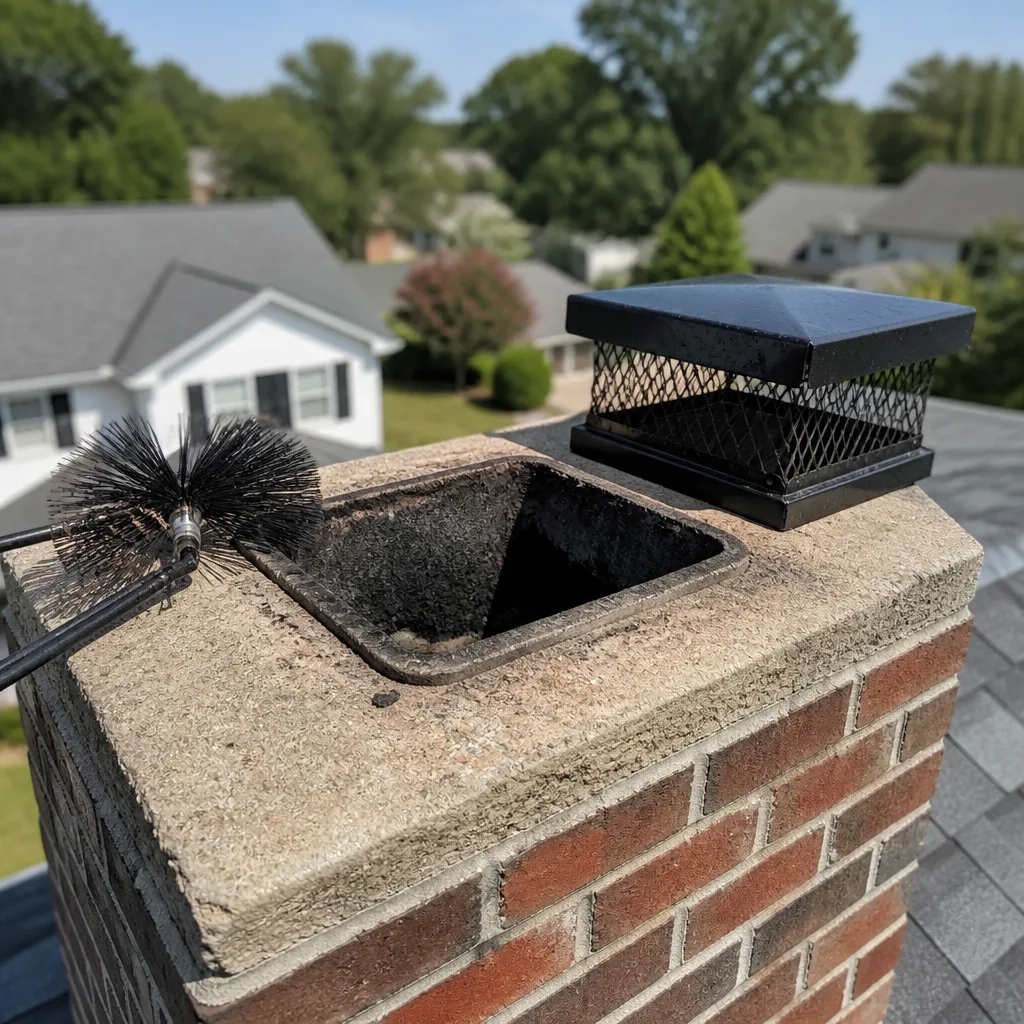
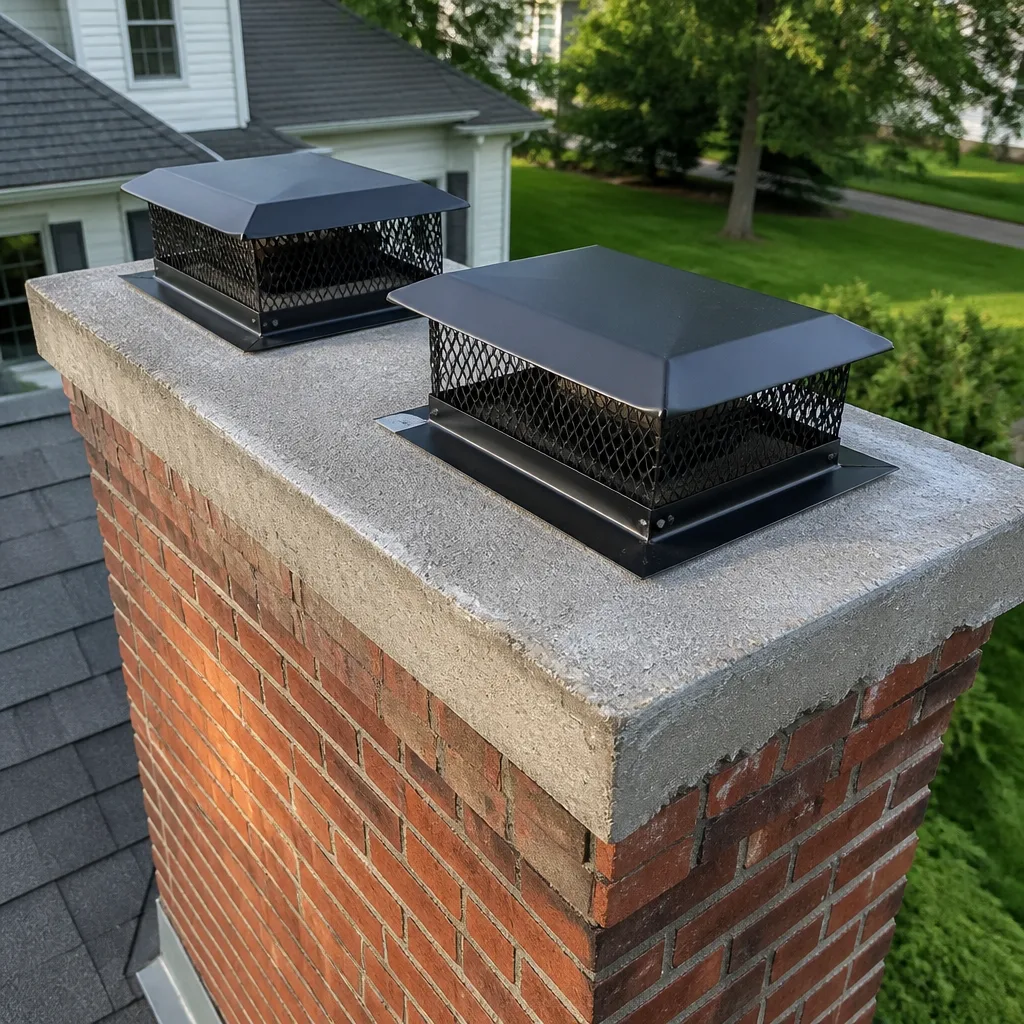
Level 1 sweep and inspection to the NFPA 211 annual standard - flue, crown, cap, and flashing checked and photographed
Chimney sweep logs do not sweep chimneys. They loosen some creosote - which then falls where a brush and vacuum still have to collect it.

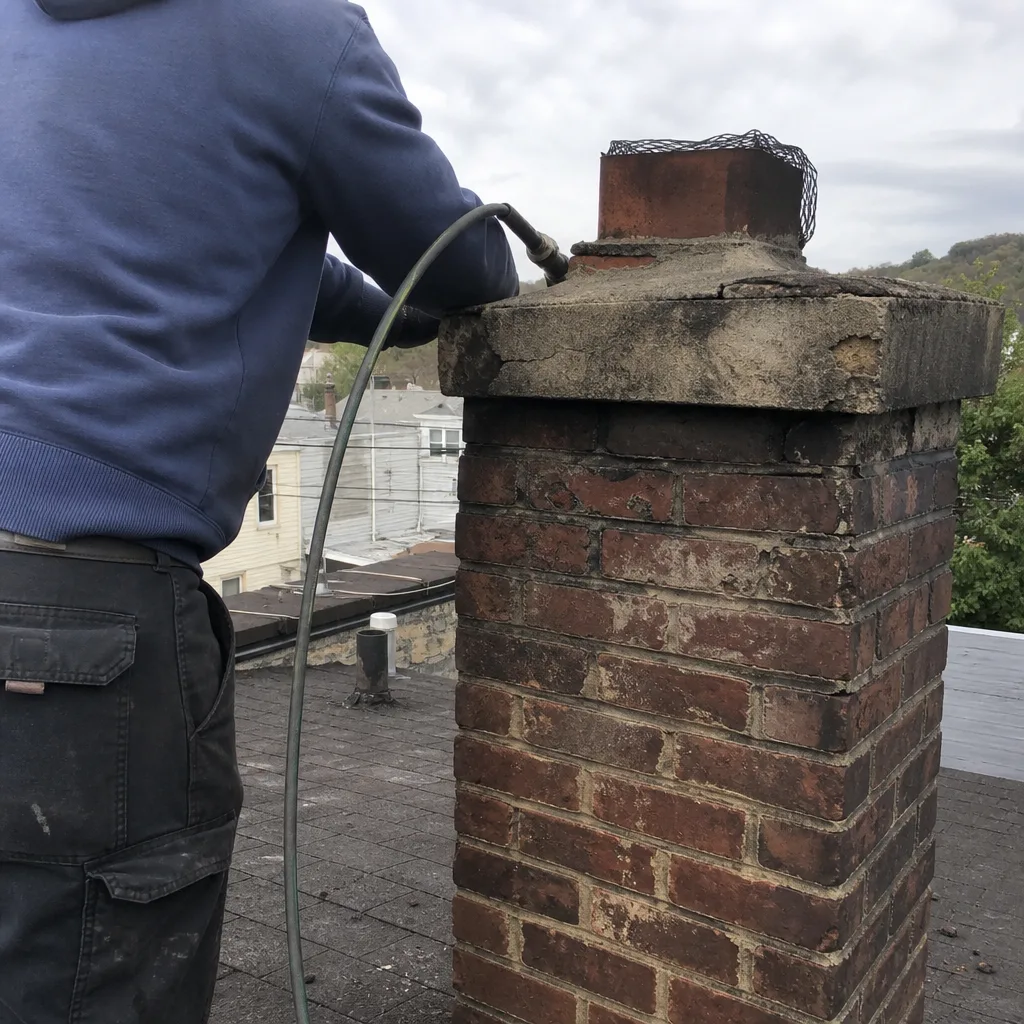 Before
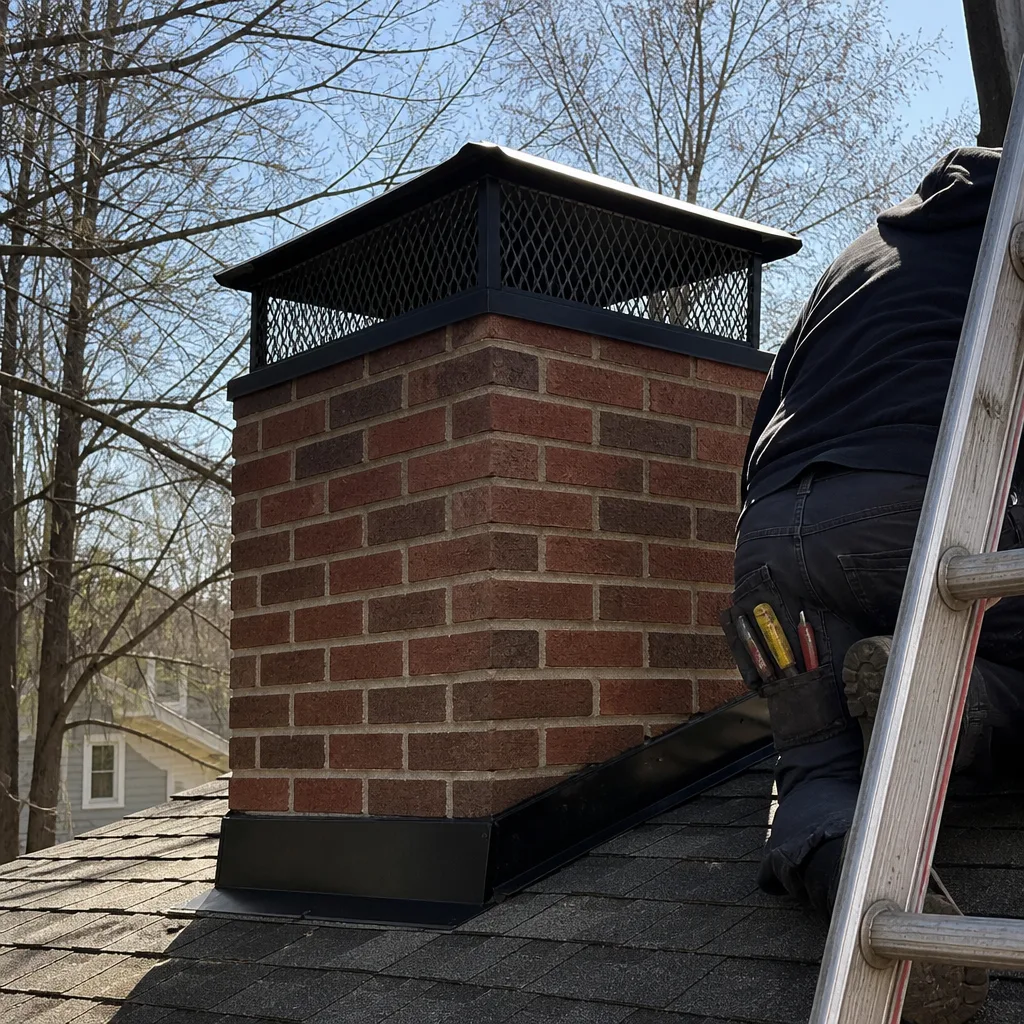 After
After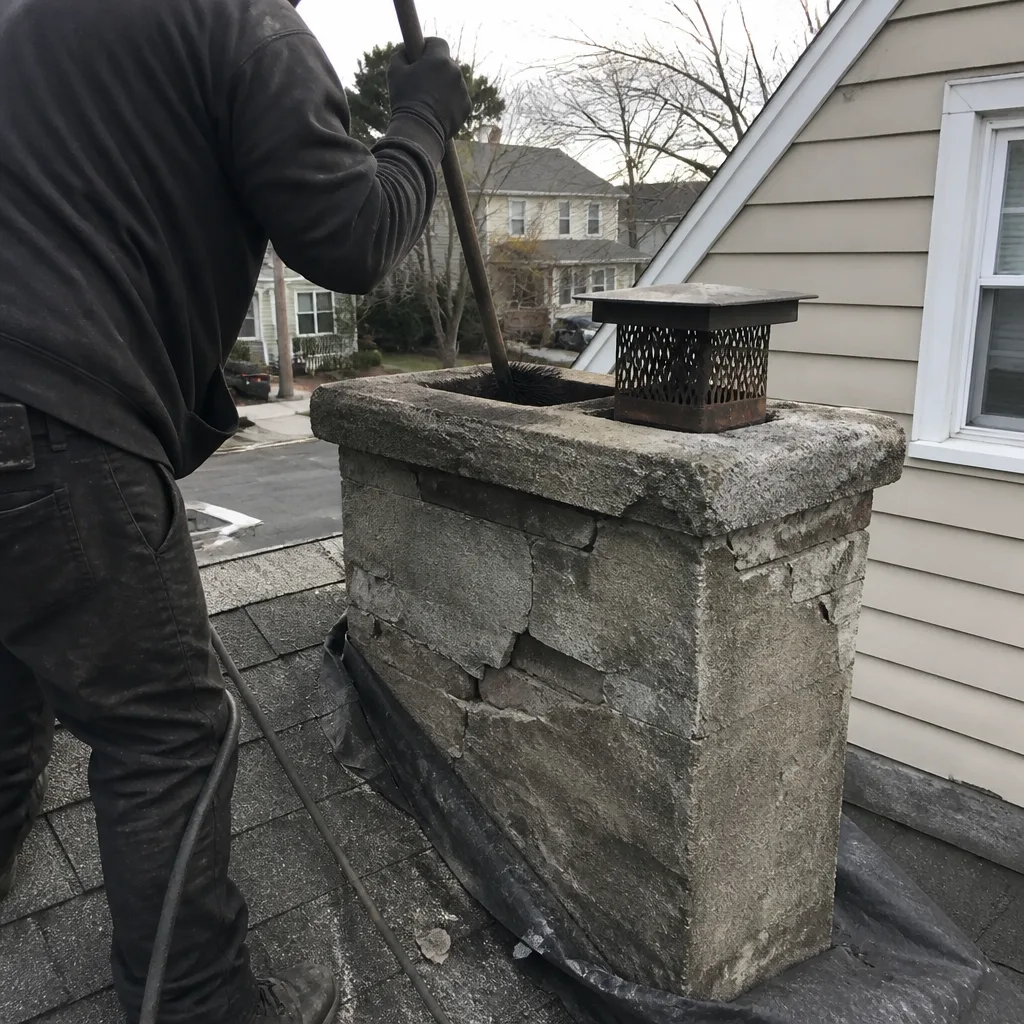 Before
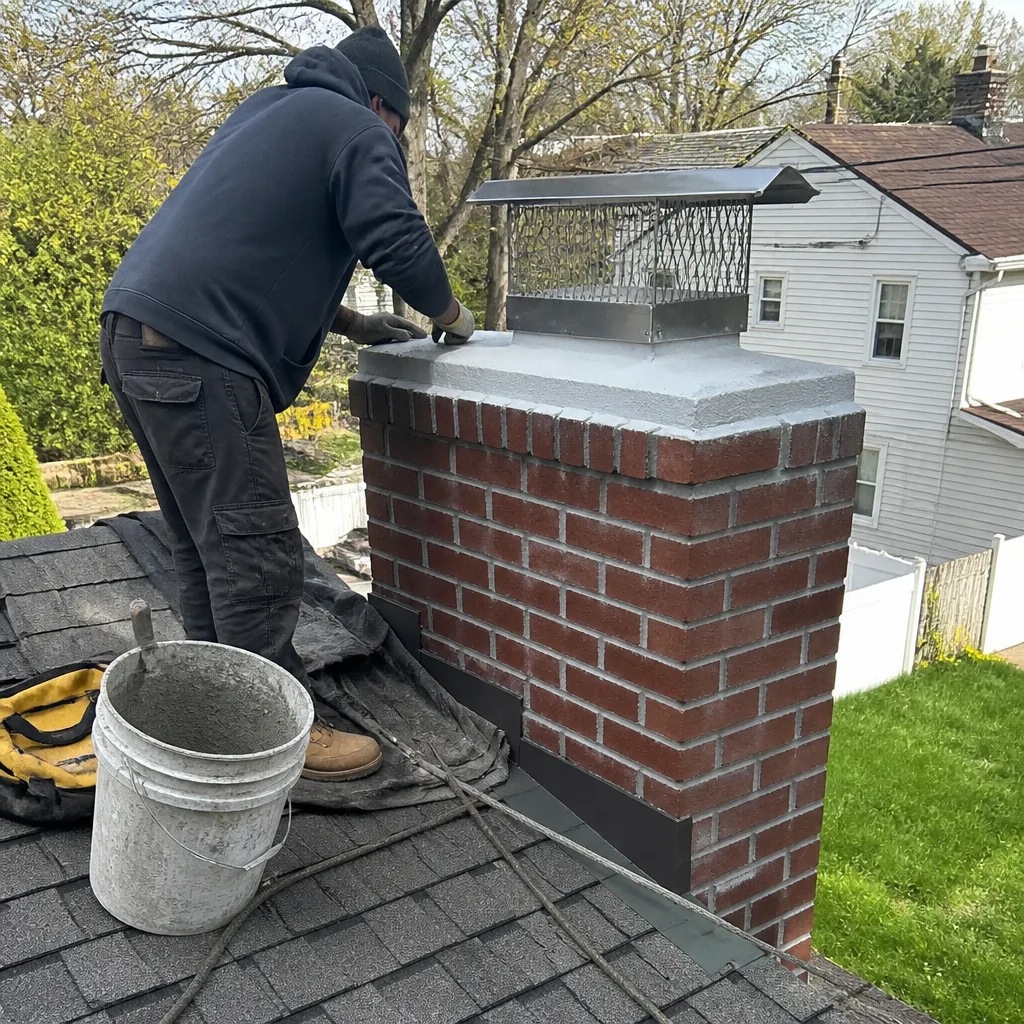 After
After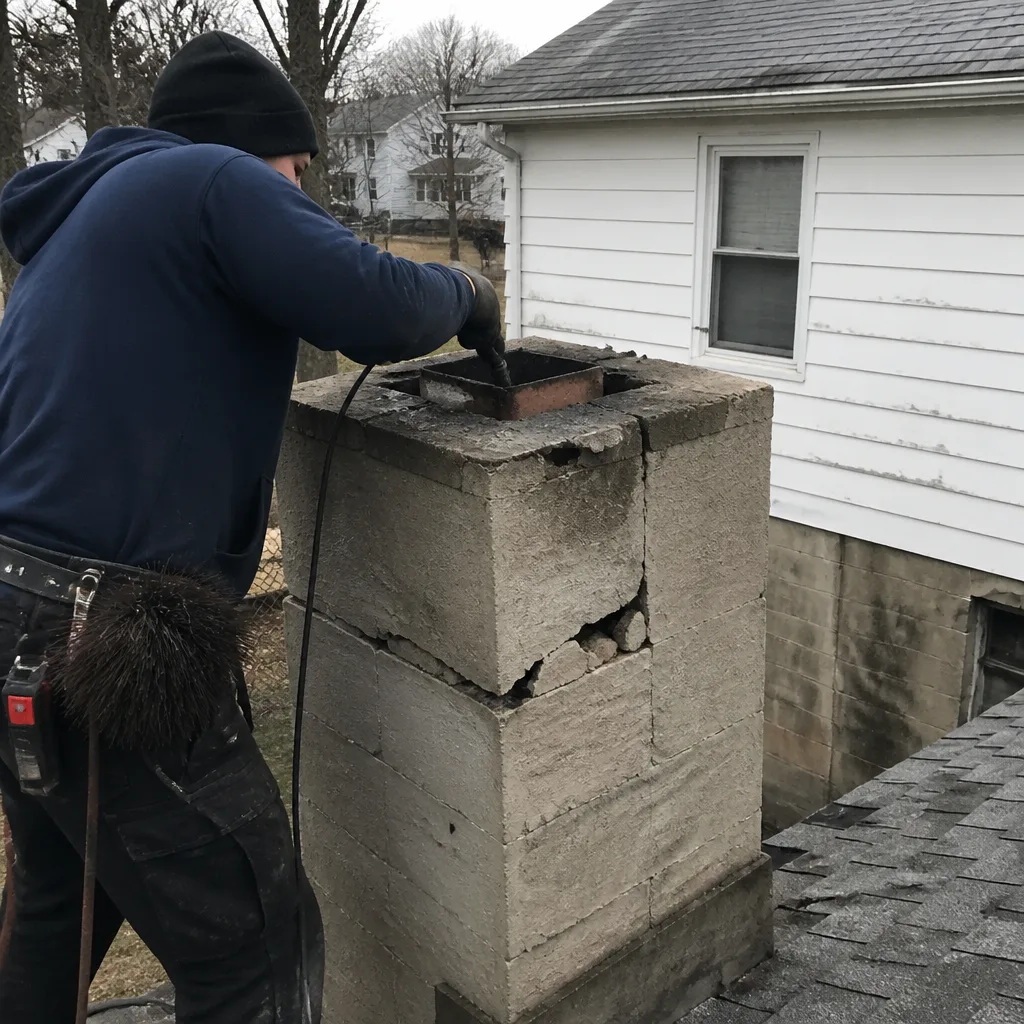 Before
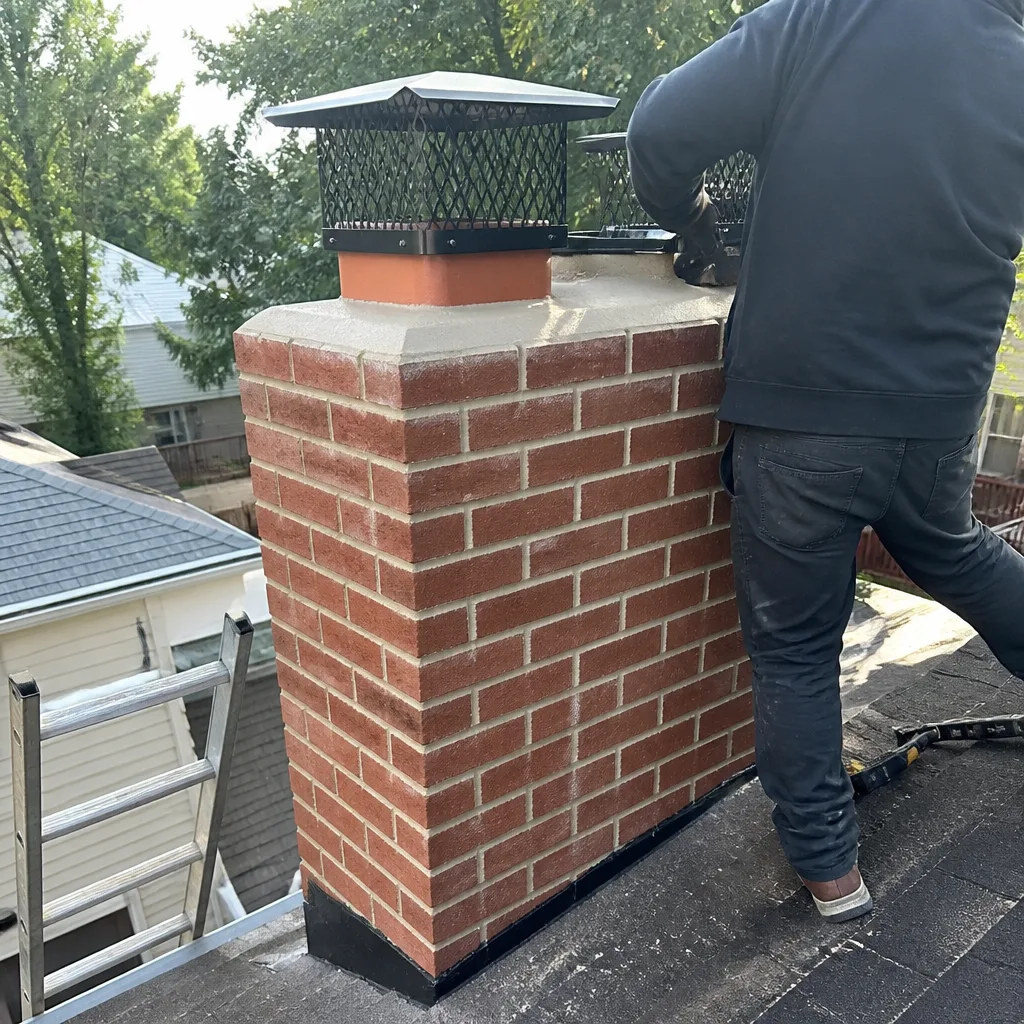 After
AfterHow to Hire a Chimney Cleaning Contractor in Paterson: A Step-by-Step Guide
The Chimney Safety Institute of America has documented cases across New Jersey where so-called chimney inspectors arrived quoting $49 and departed with $3,000 in upsold repairs, much of it unnecessary and some of it performed incorrectly. The pattern is identical every time, and it starts with one hiring mistake: a homeowner who did not know which questions to ask before opening the door. In Paterson, where older housing stock in neighborhoods like Hillcrest and Eastside mixes with newer construction near the Great Falls, the chimney sweep market includes legitimate craftspeople, transient operators, and price-cutting chains that treat your flue as a sales funnel. This guide shows you exactly how to tell them apart in about fifteen minutes of phone work, and you can find more guides & resources on our blog.
Quick Answer
To hire a chimney cleaning contractor in Paterson, verify three credentials before scheduling: CSIA certification, active New Jersey business registration, and general liability insurance with a certificate you can read. Request a written estimate with line-item pricing, ask about post-job photo documentation, and confirm a written guarantee of at least 90 days. Any contractor who resists these four requests has told you everything you need to know.
Table of Contents
- The Three Verifiable Credentials That Separate Legitimate Sweeps from Transient Operators
- Exact Questions to Ask on the Phone Before Scheduling
- How Written Estimates Should Be Structured
- The 90-Day Guarantee Standard
- What a Post-Job Documentation Package Should Contain
- Paterson-Specific Considerations: Climate, Codes, and Neighborhoods
- Red Flags That Should End the Conversation Immediately
- Common Mistakes to Avoid
- When to Call a Professional
- Frequently Asked Questions
- The Bottom Line
The Three Verifiable Credentials That Separate Legitimate Sweeps from Transient Operators
In our 42 years serving Passaic County, we’ve watched the same cycle repeat. A company appears with a fresh website and a low price, works one season, and vanishes before warranty claims arrive. The homeowners left holding damaged liners or incomplete repairs have no recourse. The difference between a craftsman and a transient operator is not price or polish. It is documentation you can verify independently.
1. CSIA Certification
The Chimney Safety Institute of America operates the only nationally recognized certification program for chimney sweeps. A CSIA-certified sweep has passed examinations on fire safety codes, chimney physics, and proper cleaning techniques, and must recertify every three years. This is not a weekend course or a mail-order certificate.
To verify: Ask for the sweep’s CSIA certification number. Then check it yourself at csia.org. Do not accept “we’re certified” without a number you can confirm. In Paterson, where many homes date to the early 1900s and may have unlined chimneys or obsolete construction, the technical knowledge tested by CSIA matters. A sweep who cannot explain why your 1920s brick chimney behaves differently from a 1990s factory-built unit has not studied the material.
2. New Jersey Business Registration
Every legitimate contractor operating in Paterson must hold active registration with the New Jersey Division of Revenue and Enterprise Services. This is not optional, and it is not the same as having a business card printed.
To verify: Request the business registration number and check it at the state’s online portal. Look for active status and a physical address in New Jersey, not a mail drop or virtual office. Transient operators often use out-of-state registrations or none at all. If the sweep hesitates or changes the subject when you ask, that hesitation is your answer.
3. General Liability Insurance with a Readable Certificate
Insurance is where many homeowners stop asking questions, and where many operators hope you will. “We’re fully insured” means nothing until you see the certificate of insurance (COI) with your own eyes.
A proper COI shows:
- The policyholder’s name matching the business name
- Policy effective dates that are current
- Coverage limits, typically $1 million per occurrence or higher
- The insurance company’s name and contact information
Request that the certificate be emailed or texted to you before scheduling. A legitimate contractor has this document ready and understands why you want it. Anyone who treats your request as an insult is signaling that they have something to hide.
At Hearthstone Chimney Co., we provide these three documents before every first appointment. No homeowner should have to ask, but we encourage you to verify every one.
Exact Questions to Ask on the Phone Before Scheduling
The phone call before scheduling is your best filter. Evasive or scripted answers reveal operators who rely on pressure and surprise, not craft. Straight answers reveal professionals who have nothing to hide. Here is the exact sequence we recommend, with what to listen for.
Question 1: “Are your technicians CSIA-certified, and may I have the certification number to verify?”
Good answer: “Yes, our lead technician is certified, number 12345. You can verify at csia.org, or I can email you the certificate.”
Bad answer: “We’re certified through our own training program.” / “The owner used to be certified.” / “Why do you need that?”
Question 2: “What is your New Jersey business registration number?”
Good answer: A number offered immediately, with instructions to verify online.
Bad answer: “We’re registered, don’t worry.” / “I’ll have to check with the office.” / “We’re licensed in New York, that’s the same thing.”
Question 3: “Will you email me your certificate of insurance before you arrive?”
Good answer: “Of course. What’s your email? I’ll send it this afternoon.”
Bad answer: “We bring it with us.” / “Our insurance is private.” / “Nobody’s ever asked that before.”
Question 4: “What does your standard cleaning include, and what does it cost?”
Good answer: A specific scope: “We inspect the accessible portions of the flue, clean with brushes and HEPA vacuum, check the damper and firebox, and provide a written condition report with photos. Our standard sweep in Paterson is $[specific price].”
Bad answer: A vague low number with no scope: “Forty-nine dollars for everything.” / “We’ll see when we get there.”
Question 5: “If you find problems, how do you present them and what are my options?”
Good answer: “We photograph everything, explain what we found in plain English, and give you a written estimate with line items. You decide what to do, and you can get a second opinion if you want.”
Bad answer: “We found dangerous cracks that need immediate repair.” / “The liner is failing, it’s a fire hazard, we can do it today for a discount.” / Any pressure to decide before you have time to think.
Question 6: “What guarantee do you offer on your work?”
Good answer: A specific written guarantee with duration and terms: “We back every job with our 90-Day Done Right Promise in writing. If it’s not right, we make it right, no arguing.”
Bad answer: “We stand behind our work.” / “Satisfaction guaranteed.” / “We’ve never had a complaint.”
The entire phone call should take ten to fifteen minutes. A professional respects your diligence. An operator rushes you, dismisses your questions, or pivots to urgency. Trust the pattern, not the personality.
How Written Estimates Should Be Structured
The written estimate is where bait-and-switch operators reveal themselves. A proper estimate is a document that protects both parties. A improper one is a blank check with your signature on it.
The Line-Item Standard
Every written estimate should break down scope into specific, priced components:
| Line Item | Description | Price |
|---|---|---|
| Chimney sweep and inspection | Clean flue, inspect firebox, damper, smoke chamber, accessible liner; HEPA vacuum | $[price] |
| Level-2 camera inspection | Video scan of flue interior; digital recording; written findings | $[price] |
| Chimney cap installation | Stainless steel cap, specific dimensions, brand specified | $[price] |
| Crown repair | HeatShield application or pour new crown; square footage noted | $[price] |
A lump-sum estimate with vague descriptions (“repair chimney: $2,400”) gives you no basis to compare, no way to verify what was actually done, and no leverage if the work fails. It is the preferred format of operators who intend to do the minimum, charge the maximum, and disappear.
What to Demand
- Specific materials named by brand and specification, not generic descriptions like “quality liner” or “professional-grade cement”
- Quantities and dimensions: feet of liner, square feet of crown, number of bricks
- Labor separated from materials, so you can verify material costs independently
- Start and completion dates, or clear statement if weather-dependent
- Payment terms: deposit amount, progress payments, final payment due upon completion and your satisfaction
- Signature lines for both parties, with date
In Paterson, where the Building Division enforces the International Residential Code with local amendments, any structural chimney work requires a permit-something covered in detail in our guide to Chimney Cleaning Permits, Codes & Inspections in NJ: What You Need to Know. The estimate should note who obtains the permit and who pays the fee. A contractor who says “we don’t need permits for this” is either ignorant or dishonest, and either disqualifies them from your home.
At Hearthstone Chimney Co., our estimates specify materials like DuraFlex stainless steel liners or HeatShield crown repair systems by name. You can look them up, compare specifications, and verify you’re getting what was promised. A square deal means no surprises on the bill.
The 90-Day Guarantee Standard
A guarantee is not a favor. It is a contractor’s admission that they stand behind their work, and a homeowner’s protection against the cost of fixing mistakes. In chimney work, where defects may not appear until the first heating season, the guarantee duration matters.
We believe the minimum acceptable standard is 90 days, in writing, with clear terms. Here is what that should look like:
- Duration: 90 days from completion date, minimum
- Scope: Covers defects in workmanship and materials supplied by the contractor
- Process: Customer notifies contractor of concern; contractor inspects within stated timeframe; if defect confirmed, contractor repairs at no charge
- Exclusions: Clearly stated (damage from weather, misuse, or modifications by others)
- Transferability: States whether guarantee transfers to subsequent homeowners
The 90-Day Done Right Promise at Hearthstone Chimney Co. is governed by our K.E.Y.S. values: Krafted right, Every time, Your home first, Standing behind it. If it’s not done right, we make it right. In writing, no arguing, no paperwork to chase down. A company that plans to be in Paterson in thirty more years acts accordingly.
Any contractor unwilling to put guarantee terms in writing has told you everything. Verbal promises evaporate when the phone stops being answered. The written guarantee is your only enforceable protection, and its absence is a deliberate choice by the contractor.
What a Post-Job Documentation Package Should Contain
The job is not complete when the truck leaves. The job is complete when you have documentation that lets you verify what was done, understand your chimney’s condition, and make informed decisions about future work. This is where the gap between craftsmen and operators becomes visible.
The Minimum Documentation Package
- Timestamped photographs of the flue interior before and after cleaning, the firebox, the damper, and any areas of concern. Not stock photos. Not “representative images.” Your actual chimney, dated and identified.
- A written condition report in plain English, not technical jargon designed to confuse. It should state what was found, what was done, and what was recommended but deferred.
- A clear statement of what was and was not done. If the sweep did not access the roof, the report says so. If the liner was not inspected because of obstruction, the report says so. Omissions are as important as inclusions.
- The estimate and any revised estimates actually signed by both parties, with final invoice matching the agreed scope.
- Maintenance recommendations with specific intervals based on your fuel type, appliance, and usage pattern.
Our Level-2 camera inspections end with photos you can see and a plain-English verdict, documented like an engineer and explained like a craftsman. In Paterson’s older neighborhoods, where many chimneys have been modified over decades by owners with varying skill levels, this documentation becomes essential for the next contractor, the next inspector, and the next homeowner.
A contractor who provides only a handwritten receipt or a generic “inspection passed” card is not documenting work. They are covering tracks. Demand the package. Keep it with your home records.
Paterson-Specific Considerations: Climate, Codes, and Neighborhoods
Paterson’s geography and housing stock create specific chimney conditions that a generic sweep from out of county may not recognize. Hiring locally matters not for sentiment, but for demonstrated familiarity with what you’ll actually find.
Climate and Freeze-Thaw Cycles
Paterson sits in a zone of significant freeze-thaw cycling. Water enters micro-cracks in brick and mortar in fall, freezes and expands in winter, and opens those cracks wider by spring. In neighborhoods like Hillcrest and South Paterson, where many chimneys are original to 1920s construction, we’ve seen crown deterioration accelerate from minor cracking to structural spalling in a single hard winter, which is why we covered Seasonal Chimney Cleaning Care for Paterson: Year-Round Homeowner’s Guide. A sweep who does not inspect the crown with this cycle in mind is missing predictable damage.
Local Code and Permit Requirements
The Paterson Building Division enforces the International Residential Code with New Jersey amendments. Any chimney rebuild, liner installation, or structural repair requires a permit. The permit process includes inspection by city officials, which protects you from substandard work. A contractor who suggests skipping permits to “save time and money” is asking you to assume liability for their shortcuts.
Neighborhood-Specific Construction
Eastside’s Victorian-era homes often have unlined brick chimneys originally built for coal, later adapted for oil and gas. The conversion history matters. Great Falls area row houses may share chimney structures with party walls requiring specific fire-blocking. Lakeview’s mid-century ranches frequently have factory-built metal chimneys with manufacturer-specific clearances that generic sweeps misidentify. In our experience, a sweep who cannot describe these variations has not worked extensively in Paterson.
The Local Market Reality
Passaic County’s chimney market includes established companies, seasonal operators who follow storm damage, and price-cutting chains whose technicians are paid commissions on upsold repairs. The $49 sweep that arrives in an unmarked van is not a bargain. It is a lead generation system for high-pressure sales. Paterson homeowners who have lived in their houses for twenty years or more have seen this pattern before, in roofing, in HVAC, in driveway sealing. The chimney trade is no different.
Chimney repair in Paterson requires contractors who understand these local conditions and document their findings accordingly. The cheapest estimate rarely accounts for the full scope of what your specific chimney needs.
Red Flags That Should End the Conversation Immediately
Some signals are not ambiguous. When you encounter any of the following, end the call or show the contractor out. No second chance is warranted.
- Refusal to provide credentials. CSIA number, business registration, insurance certificate. Any hesitation, any excuse, any offense taken at your request.
- Pressure to decide immediately. “This price is only good today.” / “We have material left over from another job.” / “Your chimney is dangerous and you shouldn’t use it until we repair it.” Legitimate hazards are documented and explained, not weaponized.
- Payment demanded in full before work begins. Standard practice is partial deposit with balance due upon completion and your satisfaction. Full payment upfront removes your leverage and often precedes disappearance.
- No physical business address. PO boxes, virtual offices, or addresses that trace to residential properties with no commercial presence. Where will you find them if something fails?
- Estimates by phone without inspection. No sweep can price chimney repair accurately without seeing the chimney. A phone estimate for an uninspected problem is either fiction or a trap.
- Vans without permanent company identification. Magnetic signs that peel off, unmarked vehicles, or logos that don’t match the business name you researched. These are designed to prevent identification after the fact.
- Requests to pay in cash “for a discount.” This is tax evasion and leaves you with no payment record. It also suggests the operator has reasons to avoid financial transparency.
Common Mistakes to Avoid
- Hiring based on price alone. The $49 sweep in Paterson is a documented loss leader. The average legitimate sweep and inspection in Passaic County runs higher, and the difference pays for credentials, insurance, proper equipment, and accountability. Saving $50 on a sweep that misses a cracked flue liner costs thousands in preventable damage.
- Assuming all certifications are equal. “Certified chimney sweep” from an unrecognized organization is not CSIA certification. Ask specifically, verify independently.
- Accepting verbal estimates. Every scope, every price, every promise belongs in writing before work begins. Verbal agreements are unenforceable and frequently “forgotten” by the party who benefits from forgetting.
- Neglecting to verify insurance annually. Policies lapse. The certificate you saw last year may not be current. Verify before every major job.
- Failing to ask about sub-contractors. Some companies sell the job and send unvetted day labor. Ask who will actually be in your home, and whether they are employees with background checks.
- Ignoring the permit question. In Paterson, permit avoidance is a red flag for code violations and liability shifted to you. Confirm permit status in writing.
- Not requesting photos of your actual chimney. Stock images and representative photos protect the contractor, not you. Your documentation should show your flue, your firebox, your specific conditions.
When to Call a Professional
Call a qualified sweep before burning season begins, ideally in late summer or early fall when scheduling is flexible and any needed repairs can be completed before temperatures drop. Call immediately if you notice smoke backing up into the room, a strong odor of creosote, visible cracks in the firebox or exterior masonry, or water stains on walls near the chimney. These symptoms indicate conditions that worsen with use and can lead to chimney fires or carbon monoxide intrusion.
If you’ve recently purchased a home in Paterson and have no documentation of prior chimney service, schedule a Level-2 inspection before the first fire. Previous owners’ maintenance habits are unknown, and hidden defects in older construction are common.
Hearthstone Chimney Co. offers free estimates in Paterson - call (973) 604-2986. A live person answers every call, 24 hours a day, 7 days a week. We’ll be there when we say, and we’ll show you photos you can see with a plain-English verdict. Done right, and we stand behind it.
Frequently Asked Questions
A standard chimney sweep and Level-1 inspection in Paterson typically ranges from $150 to $300, depending on accessibility, appliance type, and condition-see our Chimney Cleaning Cost Breakdown: The Paterson Homeowner’s Reference for 2026 for fuller pricing context. Level-2 camera inspections add $100 to $250. Prices below this range often indicate a bait-and-switch operation. Call (973) 604-2986 for an exact quote - estimates are free.
The National Fire Protection Association recommends annual inspection, with cleaning frequency based on use and fuel type. Wood-burning fireplaces in regular use need annual sweeping; gas appliances may need less frequent cleaning but still require annual inspection for venting integrity. Paterson’s freeze-thaw climate makes annual exterior inspection advisable regardless of fuel type.
You need a new liner only if inspection confirms the existing liner is damaged, improperly sized, or absent. In Paterson’s older homes, unlined chimneys are common and require modern stainless steel or ceramic liners for safe operation. We use DuraFlex and Olympia Chimney systems, specified by name in our estimates, and we photograph the existing condition so you can see the evidence yourself. Call (973) 604-2986 for a free inspection and second opinion.
Skipped maintenance leads to creosote accumulation, which ignites at approximately 451 degrees and causes chimney fires that damage flue liners and spread to structural framing. Blocked or deteriorated flues can vent carbon monoxide into living spaces. In Paterson’s dense neighborhoods, a chimney fire threatens adjacent properties as well. The cost of prevention is a fraction of the cost of remediation.
Request their New Jersey business registration number and verify it at the state Division of Revenue website. Confirm active status and in-state physical address. Then verify CSIA certification independently at csia.org. These two checks take five minutes and eliminate most fraudulent operators.
Expect the technician to arrive in a marked vehicle, in uniform, with identification. They should lay protective coverings, inspect accessible areas, clean with brushes and HEPA vacuum, and provide a written condition report with photos. Most standard sweeps take 45 to 90 minutes. At Hearthstone Chimney Co., our background-checked technicians complete most jobs in a single visit, with no-hassle upfront pricing agreed before work begins.
The Bottom Line
Hiring a chimney cleaning contractor in Paterson is a skill that takes about fifteen minutes to learn and saves thousands in prevented fraud and defective work. Verify three credentials independently. Demand line-item written estimates. Confirm a written guarantee of at least 90 days. Insist on timestamped photos and a plain-English verdict. Any contractor who resists these standards has made your decision for you.
The chimney over your head protects your home and family every time you light a fire. The person you hire to maintain it should treat that responsibility with the gravity it deserves. We’ve been serving Paterson and Passaic County for over 42 years because we do. A square deal, no surprises on the bill, and we’ll be there when we say.
Written by Russell Haines, Owner at Hearthstone Chimney Co., serving Paterson since 2014.