
Last updated September 10, 2026
Level 1 sweep and inspection to the NFPA 211 annual standard - flue, crown, cap, and flashing checked and photographed
Chimney sweep logs do not sweep chimneys. They loosen some creosote - which then falls where a brush and vacuum still have to collect it.
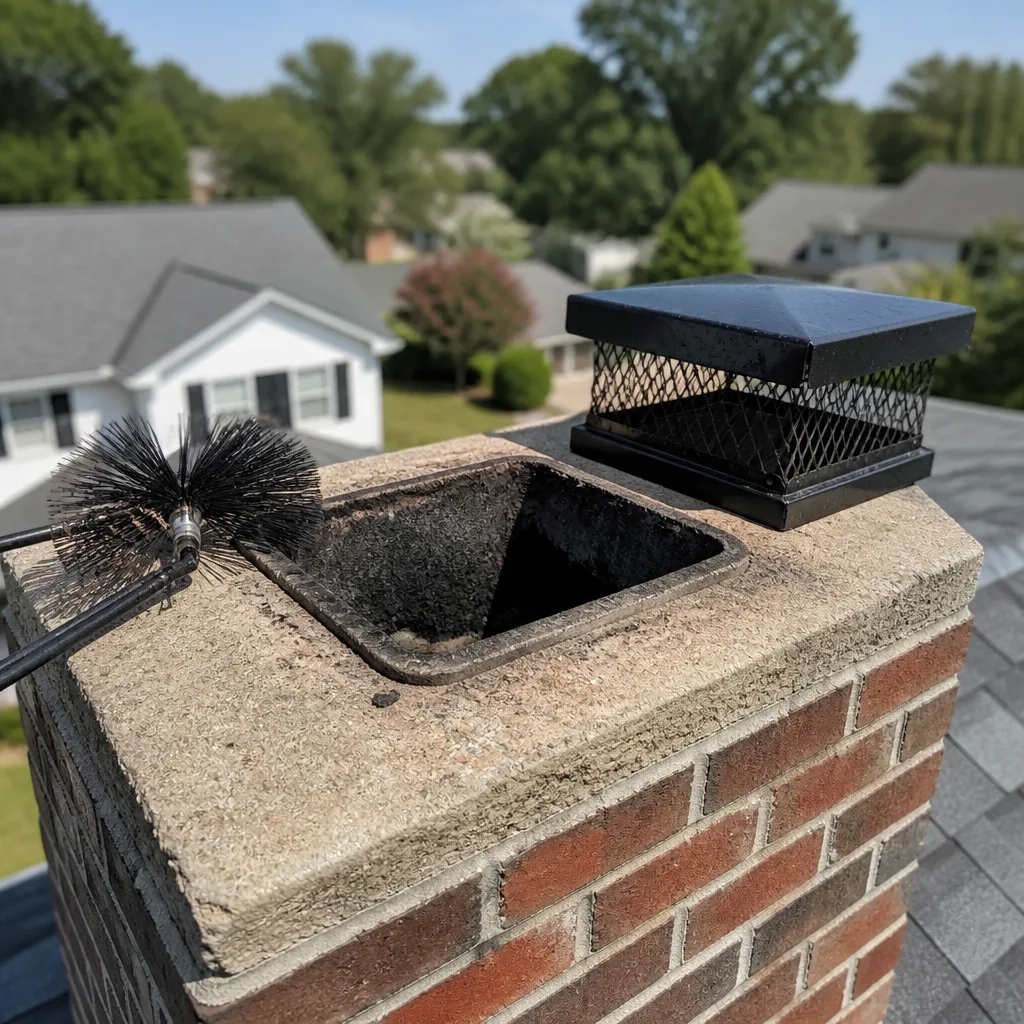
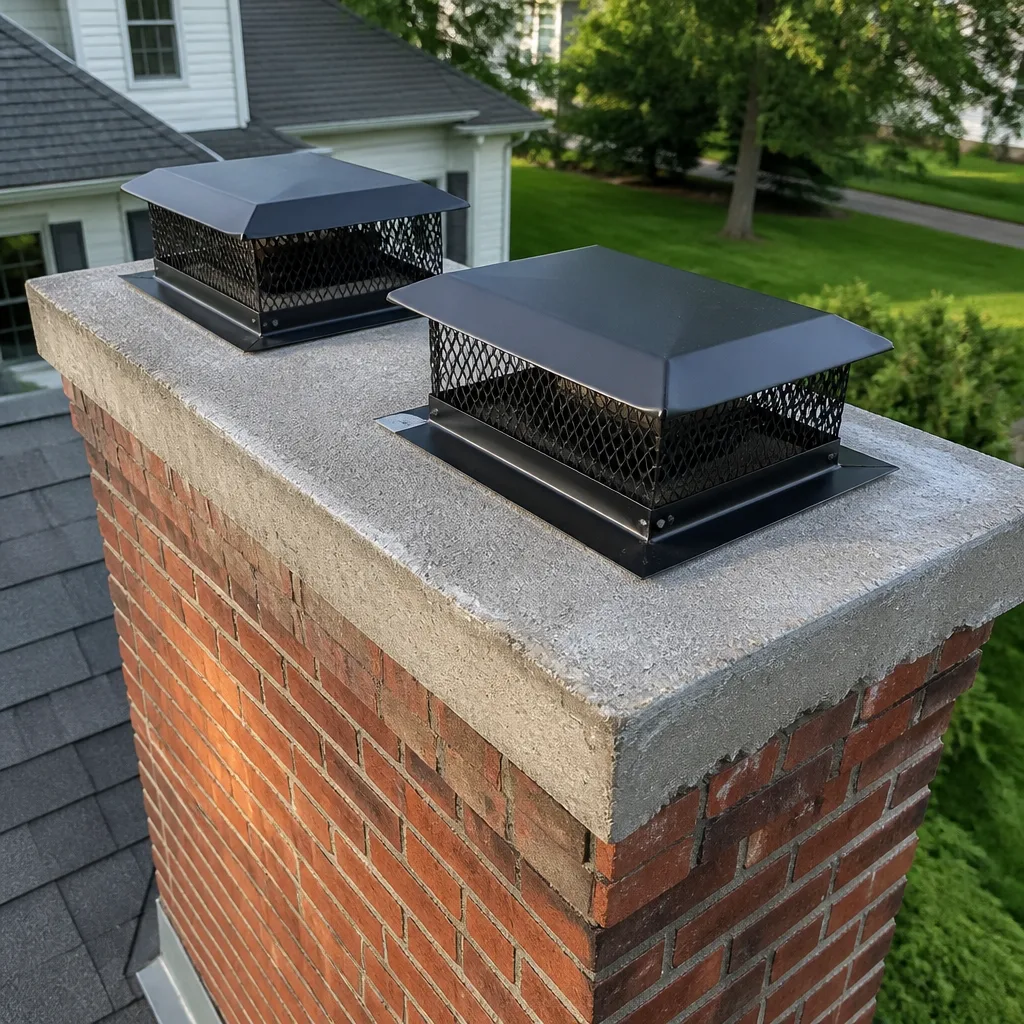

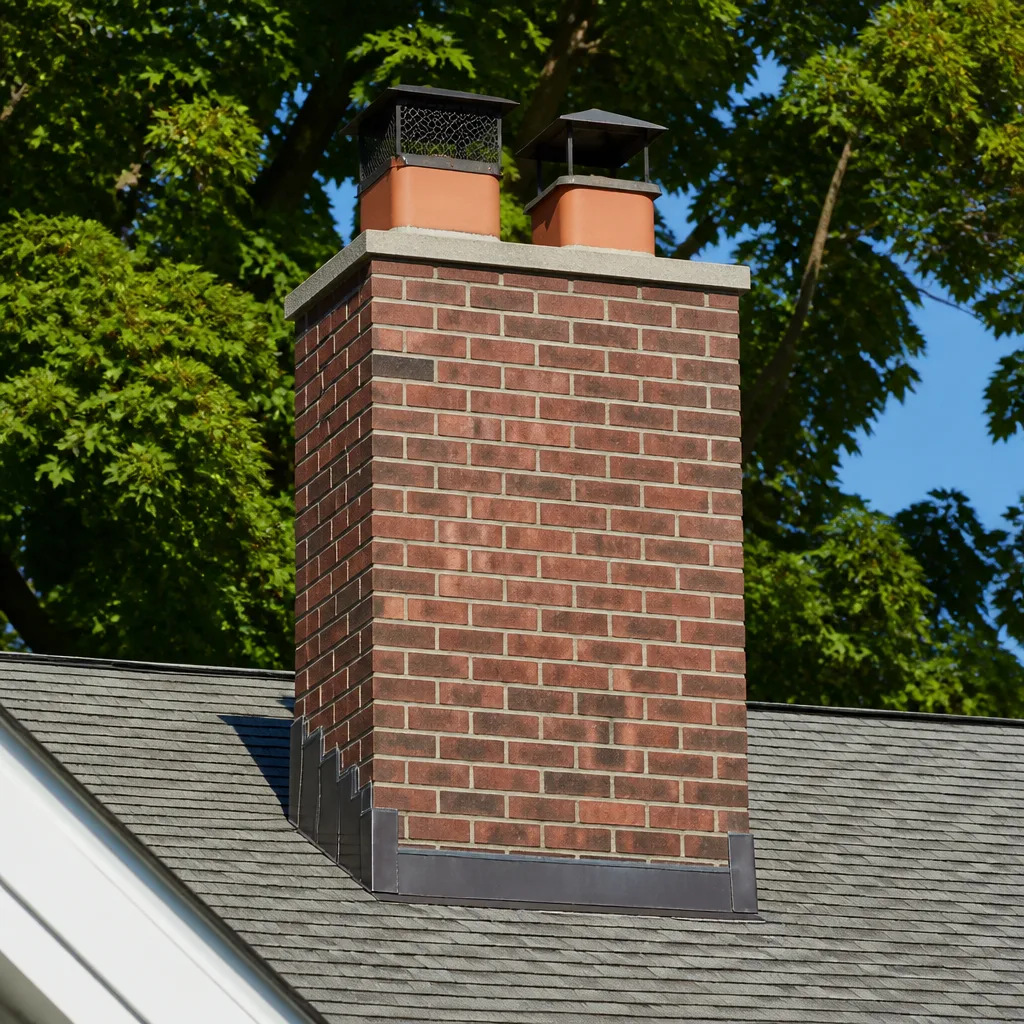
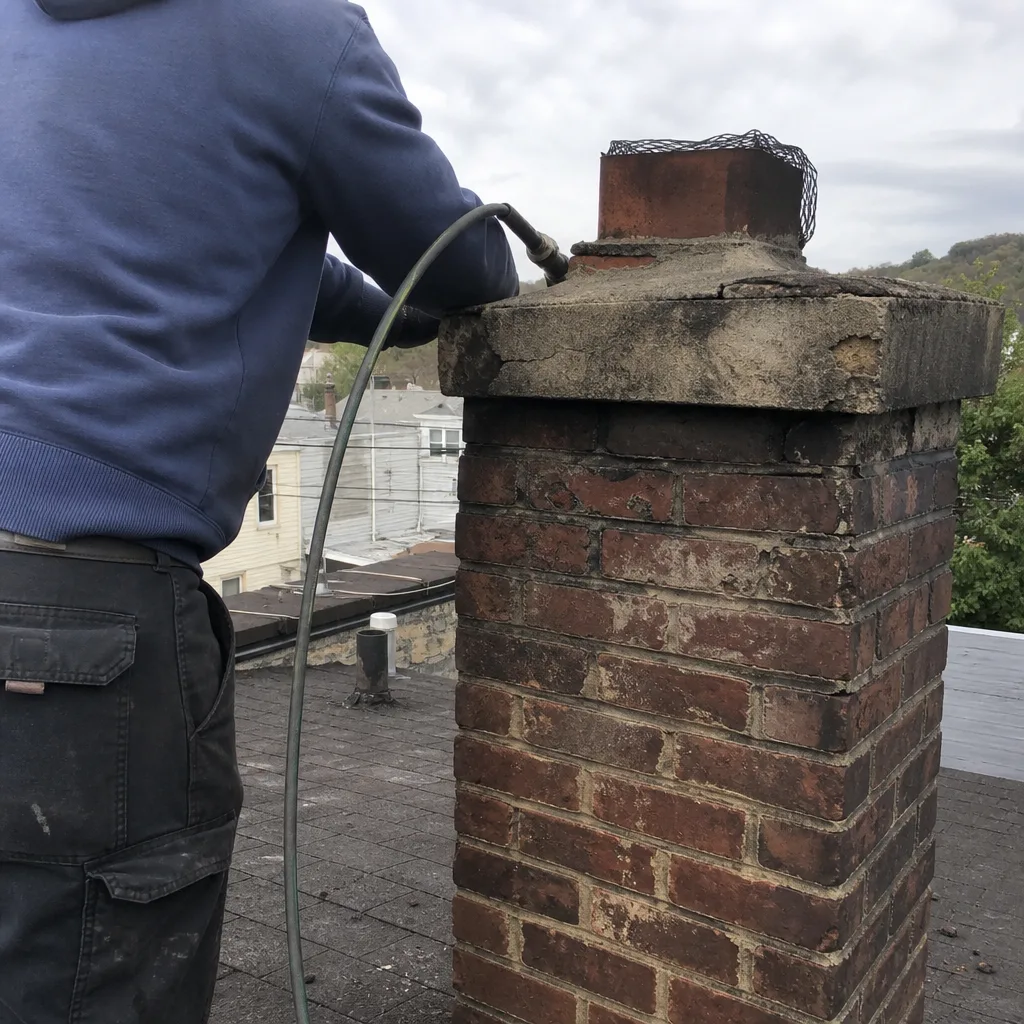 Before
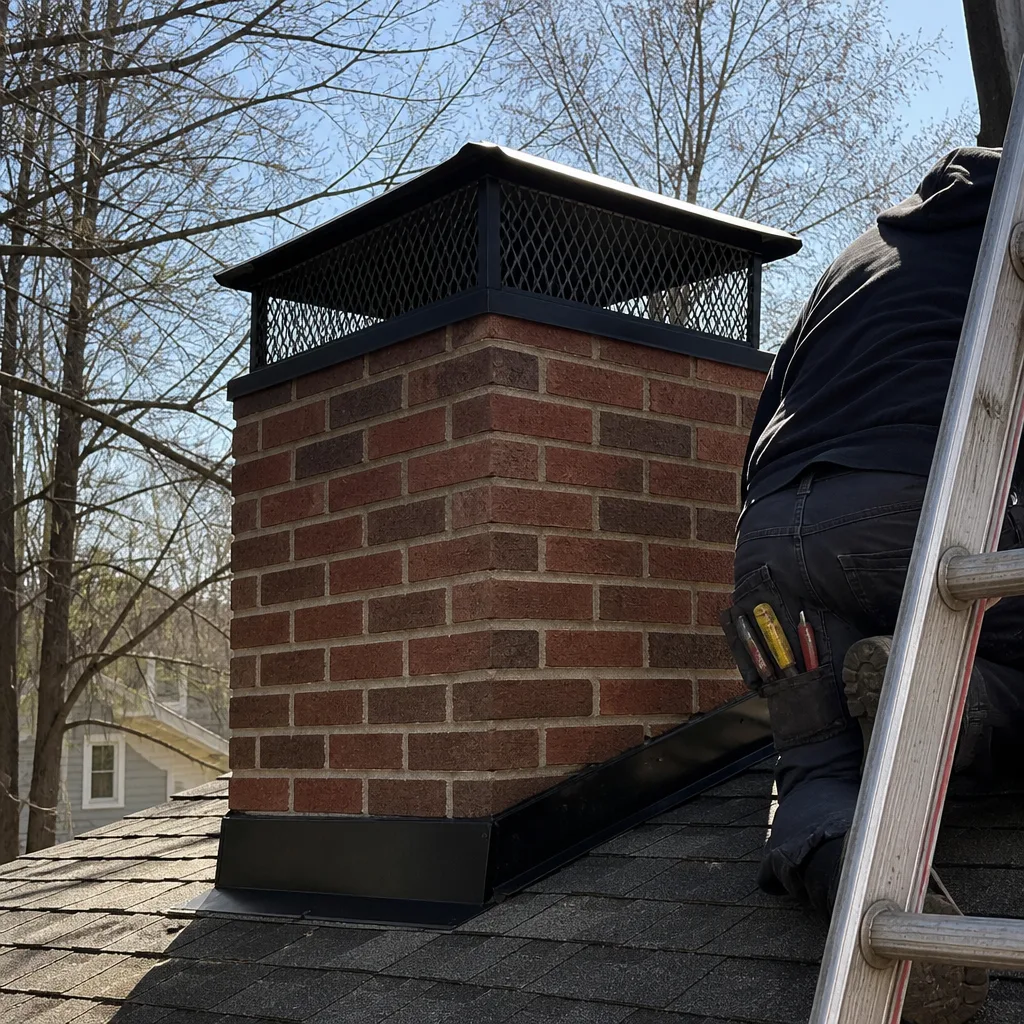 After
After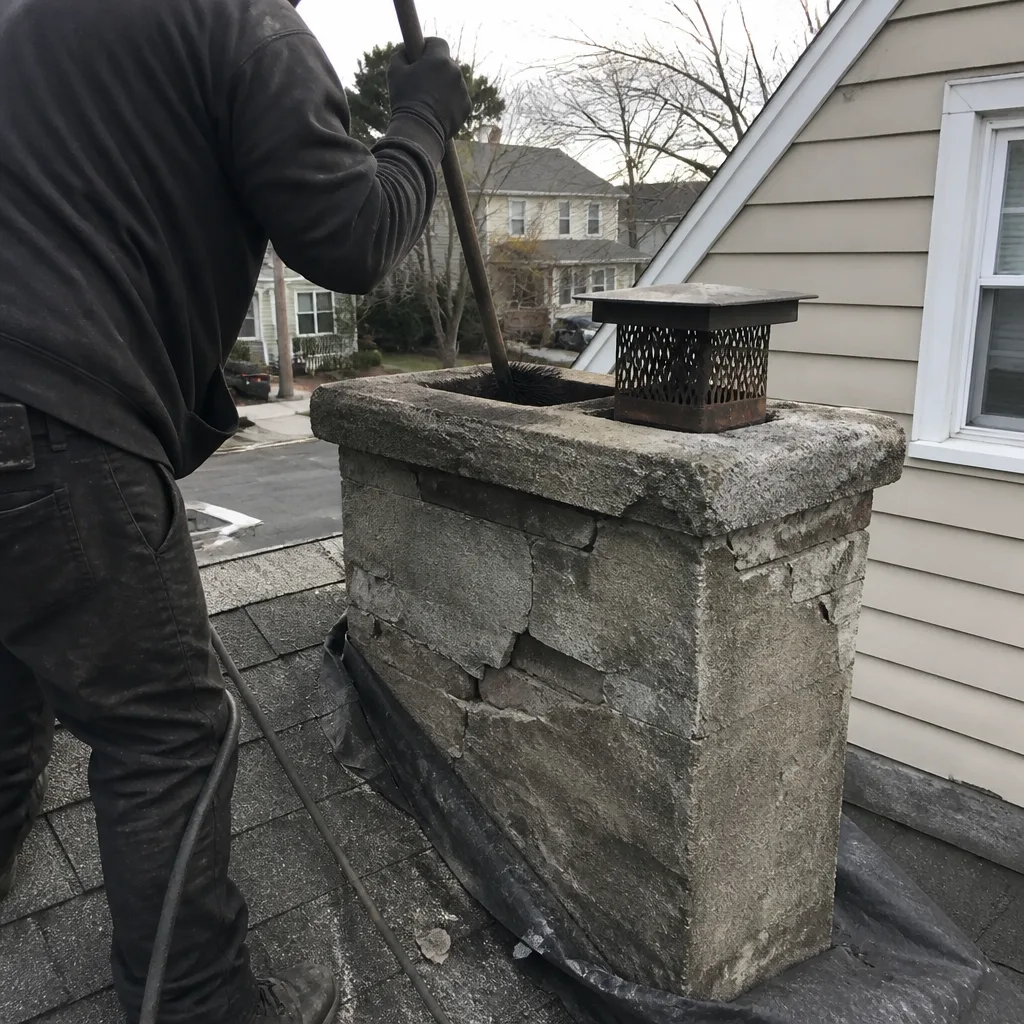 Before
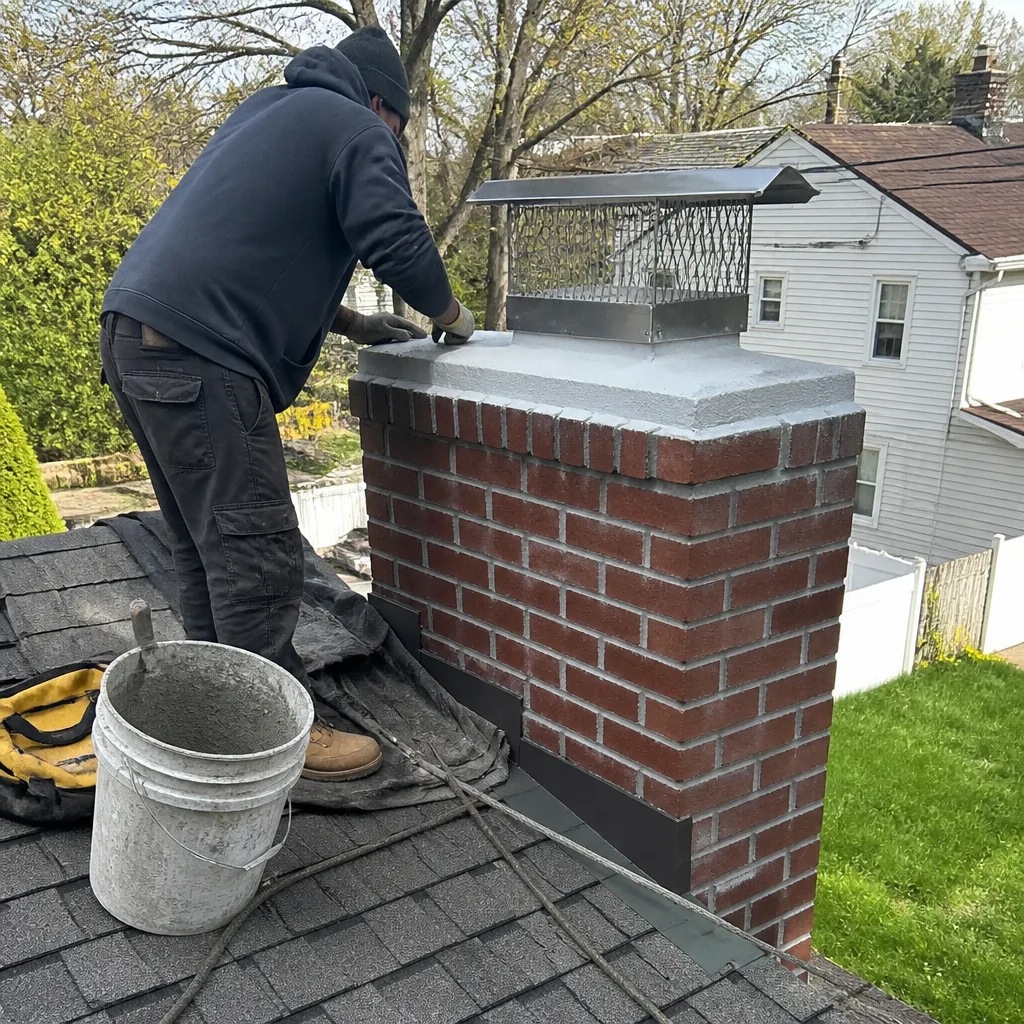 After
After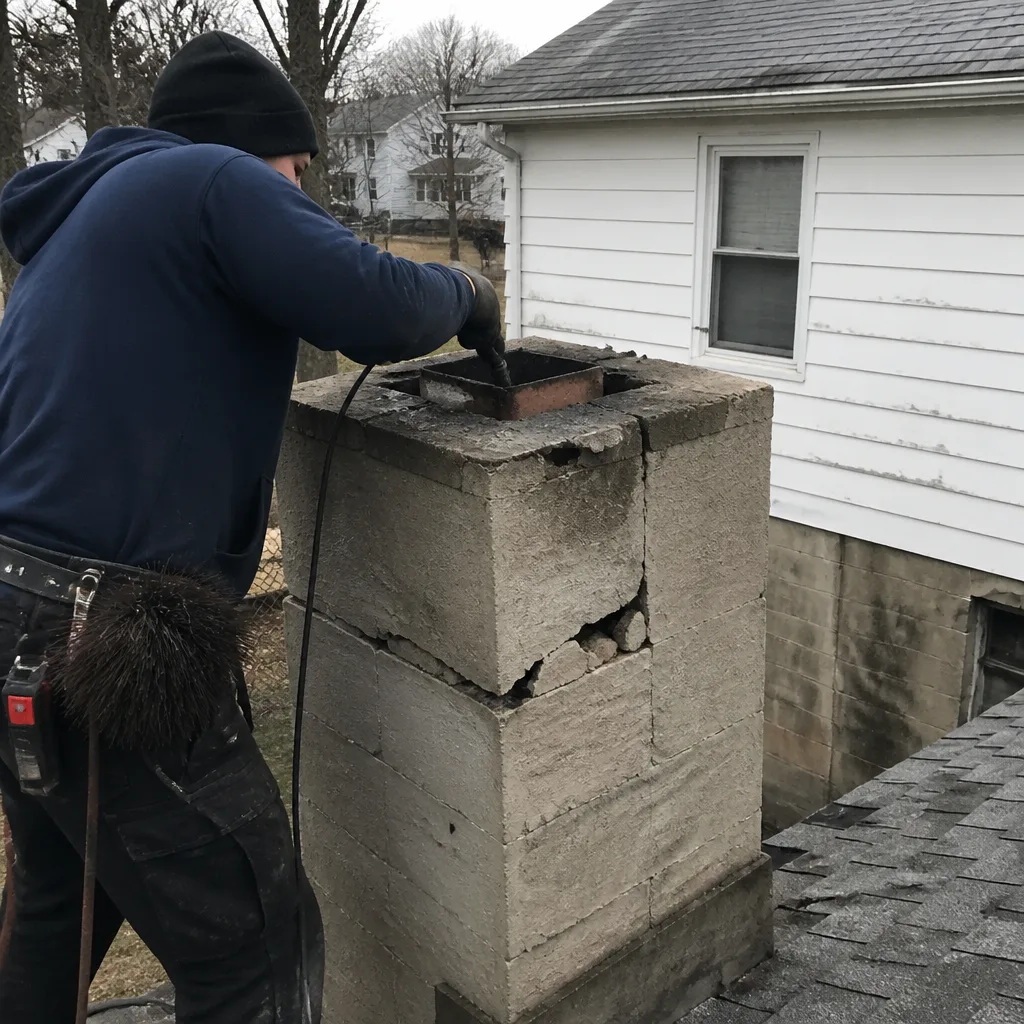 Before
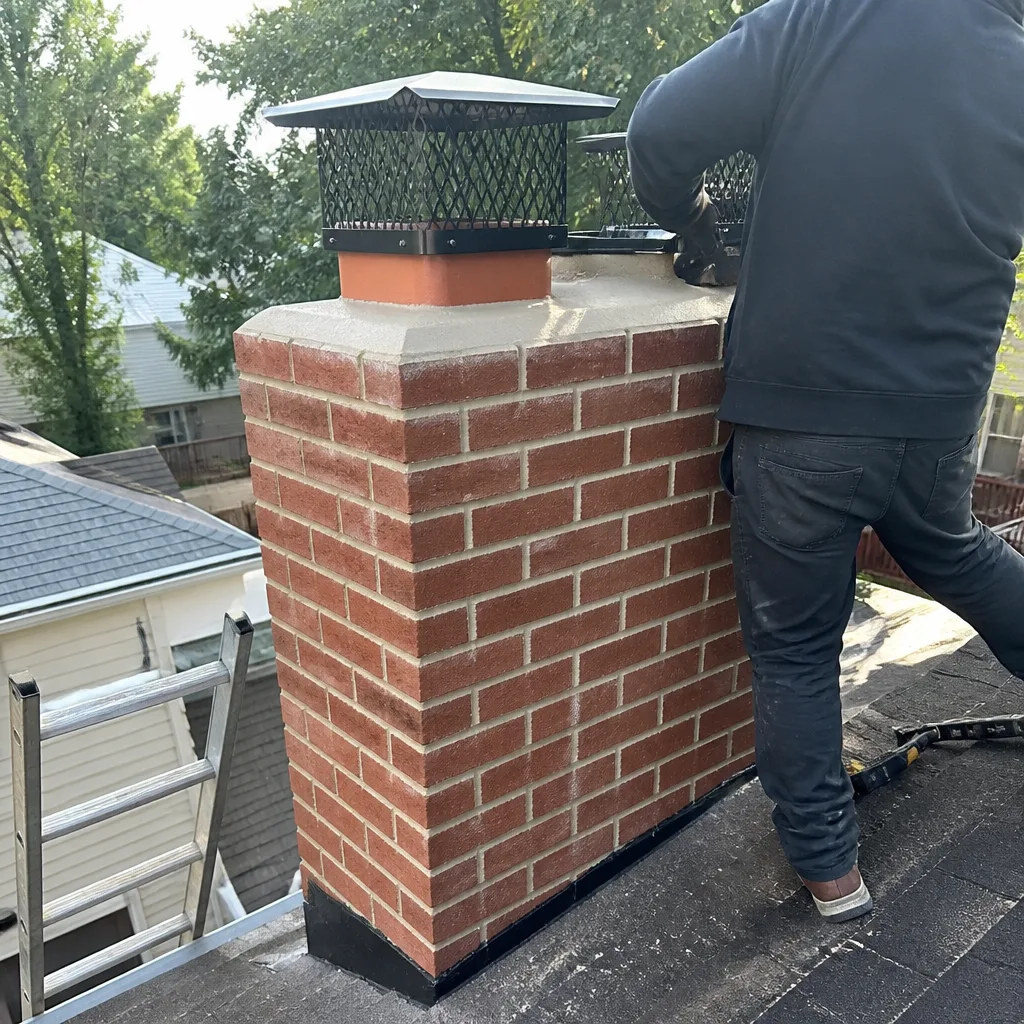 After
AfterSeasonal Chimney Cleaning Care for Paterson: Year-Round Homeowner’s Guide
The moisture that infiltrates an unprotected chimney crown during a Paterson July does more structural damage than a full heating season of use. Most of it is invisible until a sweep pulls a camera down the flue the following fall and finds spalling brick, rusted dampers, and hairline cracks that grew into costly repairs while the homeowner was not looking. In our 42 years serving Passaic County, we have learned that chimneys in Paterson fail not from the fires they endure, but from the seasons they are ignored. This guide will show you what to do in each quarter of the year to keep your chimney sound, your fires safe, and your repair bills predictable, and you can explore more guides & resources on our blog.
Quick Answer
Chimney care in Paterson is a four-season discipline, not an annual event. Fall demands a pre-burning inspection after humid summers; winter requires mid-season monitoring of draft and odor; spring reveals damage from heavy use; and summer is the critical window for moisture protection, cap replacement, and off-season scheduling that saves money and time. For a complete task list, download our Chimney Cleaning & Sweep Maintenance Checklist for Paterson Homeowners.
Table of Contents
- Fall (September-October): The Pre-Season Checklist Before First Fire
- Winter (December-February): Mid-Season Monitoring at Peak Cold
- Spring (March-April): The Post-Season Inspection That Catches Hidden Damage
- Summer (May-August): Moisture Protection and Off-Season Advantages
- Why Paterson’s Climate Demands a Different Approach
- What Seasonal Chimney Care Costs in Paterson
- Common Mistakes to Avoid
- When to Call a Professional
- Frequently Asked Questions
Fall (September-October): The Pre-Season Checklist Before First Fire
By mid-September in Paterson, the Passaic River basin holds summer humidity like a sponge. That moisture rises into unprotected flues, condenses on cooler interior surfaces, and begins the cycle of freeze-thaw damage that accelerates once temperatures drop. A chimney that looked sound in May can show significant deterioration by October. This is why the pre-season inspection is non-negotiable for homes in neighborhoods from Eastside to South Paterson.
We schedule our Level-2 camera inspections starting the week after Labor Day. The process takes about 90 minutes and ends with photos you can see and a plain-English verdict. For details on permits and regulatory requirements, see our guide to Chimney Cleaning Permits, Codes & Inspections in NJ: What You Need to Know. Here is what we are looking for before that first fire:
- Moisture intrusion from summer months. We check for white efflorescence on exterior brick, which signals water migration through the masonry. In Paterson’s older housing stock, particularly the pre-war brick homes near the Great Falls Historic District, this is often the first visible sign of crown failure.
- Creosote buildup from the previous season. Even a chimney swept in April can accumulate new deposits if animals nested or moisture created acidic conditions. We measure creosote depth and type: Stage 1 (sooty, brush-removable), Stage 2 (flakey, requires mechanical removal), or Stage 3 (glazed, requires rotary chains or chemical treatment).
- Damper function and seal integrity. A damper that does not fully close wastes heat all winter. A damper that does not fully open risks smoke spillage. We document operation with video.
- Flue liner condition. Clay tile liners in Paterson’s century-old chimneys often show vertical cracking from thermal shock. We look for gaps between tiles, mortar loss, and spalling that could allow combustion gases into wall cavities.
- Cap, crown, and flashing. The crown is the concrete slab that sheds water from the chimney top. Hairline cracks here admit gallons of water over a winter. We recommend crown sealing with HeatShield or full reconstruction if deterioration exceeds 25% of the surface area.
The fall appointment also lets us catch animal intrusion before it becomes a fire hazard. Squirrels, raccoons, and starlings are active in Paterson’s mature tree canopy through October. A cap with 3/4-inch mesh, properly installed, prevents nesting material from blocking the flue. We install caps from Gelco and Olympia Chimney with stainless-steel construction rated for coastal humidity.
Our $89 Seasonal Tune-Up covers the sweep, inspection, and basic damper adjustment. If we find repairs needed, we provide upfront pricing before any work proceeds. The number on the estimate is the number on the invoice.
Winter (December-February): Mid-Season Monitoring at Peak Cold
Paterson winters average 25 inches of snow and 120 days below freezing. When temperatures drop below 20 degrees, which happens regularly in January, the temperature differential between your living room and the top of the flue creates powerful draft pressure. This is when hidden problems announce themselves.
You do not need to be a sweep to monitor your chimney mid-season. These are the signs we ask homeowners to track between our visits:
- Smoke behavior at startup. A healthy chimney draws smoke upward immediately. If smoke spills into the room for more than 30 seconds after lighting, the flue may be partially blocked, the damper may be obstructed, or outside air pressure may be defeating the draft. In Paterson’s hill neighborhoods like Totowa Section, wind patterns across the Watchung ridge can create downdrafts that mimic chimney failure.
- New odors when the fireplace is not in use. A cold chimney that smells of asphalt or barbecue on a January afternoon is off-gassing creosote. This means deposits are heating from household warmth and releasing volatile compounds. It also means the chimney is not ventilating properly.
- Water in the firebox after a thaw. This is never normal. It indicates crown, flashing, or liner failure and demands immediate inspection. Water mixing with creosote creates acidic runoff that corrodes metal dampers and stains hearths.
- Damper stiffness or noise. If the damper requires force to open or close, or if it grinds audibly, corrosion has begun. Operating a seized damper can snap the control arm, turning a $200 adjustment into a $900 replacement.
- Discoloration on exterior masonry below the roofline. Brown or black streaks indicate exhaust gases are escaping through liner gaps and staining the brick. This is a carbon monoxide risk and requires immediate professional attention.
We do not recommend mid-season sweeping for most Paterson homeowners unless there is a specific problem. The creosote that forms during active burning is easier to remove after the season ends, when it has fully cured. However, if you are burning more than four cords of wood or running a wood stove as primary heat, a January inspection is prudent. We offer this service with no-hassle upfront pricing and can usually complete it in a single visit.
One Paterson-specific note: homes near the river in the Sandy Hill or Riverside neighborhoods experience higher ambient humidity even in winter. This slows creosote curing and can accelerate metal component corrosion. We see more stainless-steel liner requests from these areas than from hilltop properties in Northside.
Spring (March-April): The Post-Season Inspection That Catches Hidden Damage
The conventional wisdom says clean your chimney once a year, typically in fall. We disagree. A chimney that ran hard through January and February has accumulated thermal stress, acidic condensation, and creosote deposits that are still reactive. Waiting until September to inspect this damage gives moisture and chemistry six months to work on compromised materials.
Spring inspection is particularly important for Paterson homeowners who burned more than three cords of wood or who noticed any of the winter warning signs above. Here is what we find in March and April that would be invisible by October:
- Thermal-shock cracking in clay tile liners. Repeated heating to 1,000+ degrees followed by rapid cooling creates micro-fractures. In spring, these cracks are open and visible. By fall, partial sealing and creosote masking can hide them from casual inspection.
- Corroded metal components. Dampers, smoke shelves, and fireplace faces corrode from acidic creosote condensation. Spring humidity accelerates this. We document corrosion with photos and recommend replacement before fall burning resumes.
- Spalling brick and mortar joint erosion. Freeze-thaw cycles between December and March force water in porous masonry to expand and contract. The damage is most evident in April, before summer humidity begins rehydrating the surface and masking the texture change.
- Animal nesting and debris accumulation. Animals that were dormant in winter become active in March. A chimney that was clear in February may contain a starling nest by April. We remove nesting material and install proper caps before breeding season peaks.
The spring appointment also positions you for better pricing and scheduling. Our calendar in March and April has more flexibility than September. We can take time with repairs, order materials without rush charges, and schedule follow-up visits at your convenience. Many Paterson homeowners who switched to spring primary inspections tell us they will not go back to the fall rush.
Our Chimney Cleaning & Sweep in Paterson service includes post-season debris removal and a condition report that projects what maintenance will be needed before the next burning season. This lets you budget repairs across the summer rather than facing a surprise bill when temperatures drop.
Summer (May-August): Moisture Protection and Off-Season Advantages
This is the season most homeowners ignore their chimney. It is also the season when the most preventable damage occurs. Paterson’s summer humidity averages 68% in July, and the urban heat island effect keeps nighttime temperatures elevated, preventing the cooling that would otherwise allow moisture to condense and drain. Instead, warm humid air sits in the flue, condenses on metal surfaces, and accelerates corrosion of dampers, fireboxes, and stainless-steel liners.
The chimney crown takes the worst of it. A crown with hairline cracks from winter freeze-thaw admits water during summer thunderstorms. That water mixes with soot residue, forms sulfuric acid, and attacks mortar joints from the inside. By September, the damage is established and often hidden behind new creosote deposits.
Summer is when we perform the protective work that prevents fall emergencies:
- Crown sealing and reconstruction. We apply HeatShield CrownSeal or pour new crowns with proper slope and drip edge to shed water away from the masonry. A correctly built crown should overhang the chimney brick by at least 2 inches.
- Cap installation and replacement. Missing or damaged caps are the single largest cause of water intrusion and animal entry. We measure each flue individually and install caps from Olympia Chimney or Gelco with proper mesh sizing for your fuel type.
- Flashing repair and replacement. The metal junction where chimney meets roof is a common leak point. We inspect step flashing, counterflashing, and sealant condition, then repair with materials rated for the thermal expansion cycle of your roofing type.
- Waterproofing of exterior masonry. For porous brick chimneys common in Paterson’s older neighborhoods, we apply vapor-permeable waterproofing that allows the wall to breathe while repelling liquid water. This is particularly important for homes within a mile of the Passaic River, where groundwater wicking is elevated.
The off-season scheduling advantage is real. In July, we can often book your appointment within a week. In September, the wait stretches to three or four weeks. Summer repairs also avoid the premium pricing that comes with emergency fall scheduling. Our $50 Off Any Repair Over $250 offer applies year-round, but the savings compound when you are not paying rush charges for materials or overtime labor.
One practical note: if your chimney needs liner replacement, summer is the only season we recommend for this work. Liner installation requires the chimney to be cool and dry for proper adhesive curing. A DuraFlex stainless-steel liner installed in July will be fully set and ready for inspection by Labor Day. The same job attempted in October risks incomplete curing and premature failure.
Why Paterson’s Climate Demands a Different Approach
Chimney advice written for generic northern climates misses the specifics that shape Paterson’s conditions. Three factors make this market distinct from surrounding suburbs and require adjusted maintenance schedules.
Urban heat island effect. Paterson’s dense development, dark roofing, and limited tree canopy in commercial zones create temperatures 3-5 degrees higher than rural Passaic County. This extends the period of warm-wall condensation into late evening hours and reduces the cooling cycle that would otherwise dry the flue. Chimneys in urban Paterson stay wet longer than those in Wayne or West Milford.
Passaic River basin humidity. The river and its tributaries create a microclimate of elevated groundwater and atmospheric moisture. Homes in the 1-4 elevation zone, including much of Downtown and the Eastside lake neighborhoods, experience basement and foundation moisture that correlates with chimney base dampness. We inspect chimney bases in these areas for efflorescence and spalling that indicates wicking from below.
Older housing stock density. Paterson has one of the highest concentrations of pre-1950 masonry construction in New Jersey. These chimneys were built for coal or oil, not modern gas inserts or high-efficiency wood stoves. The flue dimensions, liner materials, and structural reinforcement often require adaptation. We have rebuilt chimney tops in the Manor Section where original construction used lime mortar that has fully degraded, and we have lined flues in Lakeview homes where the original clay tiles were never intended for the temperatures modern appliances produce.
The combination of these factors means a chimney in Paterson ages differently than one in Morris County or Bergen County. The maintenance schedule must account for more moisture exposure, more thermal cycling, and more structural adaptation. A once-a-year sweep in October is insufficient. The four-season discipline we describe in this guide is not excessive; it is calibrated to actual conditions.
What Seasonal Chimney Care Costs in Paterson
We believe homeowners deserve pricing they can plan around. For a detailed look at current rates, see our Chimney Cleaning Cost Breakdown: The Paterson Homeowner’s Reference for 2026. Here is what seasonal chimney maintenance typically costs in the Paterson market, based on our 2024 service data. These are ranges, not quotes; your exact cost depends on chimney height, accessibility, and condition.
| Service | Typical Range | Best Season to Schedule |
|---|---|---|
| Level-1 sweep and basic inspection | $175 - $250 | Spring or Summer (off-peak pricing) |
| Level-2 camera inspection with photo report | $289 - $425 | Fall (pre-season) or Spring (post-season) |
| Crown sealing (HeatShield CrownSeal) | $450 - $850 | Summer (proper curing conditions) |
| Stainless steel liner installation (DuraFlex) | $2,800 - $4,500 | Summer (cool, dry chimney) |
| Chimney cap installation (standard single flue) | $285 - $475 | Any season |
| Waterproofing (exterior masonry, average chimney) | $650 - $1,200 | Summer (dry surface required) |
| Damper repair or replacement | $350 - $900 | Spring or Summer |
| Fireplace face and hearth repair | $500 - $2,000+ | Spring or Summer |
Our standing offers reduce these costs for qualifying work: $50 Off Any Repair Over $250, Free Second Opinion on any written estimate, $89 Seasonal Tune-Up, and a permanent 5% Senior and Veteran discount. We also honor competitor coupons for equivalent services.
The real savings, though, comes from preventing the emergency repairs that cost three to five times planned work. A crown sealed in July for $600 avoids a $2,500 rebuild in November when water damage has progressed to structural failure. This is not sales pressure. It is arithmetic we have verified across thousands of Paterson chimneys over four decades.
Common Mistakes to Avoid
- Waiting for fall to schedule everything. By September, every sweep in Passaic County is booked solid. You get rushed service, premium pricing, and limited flexibility if problems are found. Spread maintenance across spring and summer.
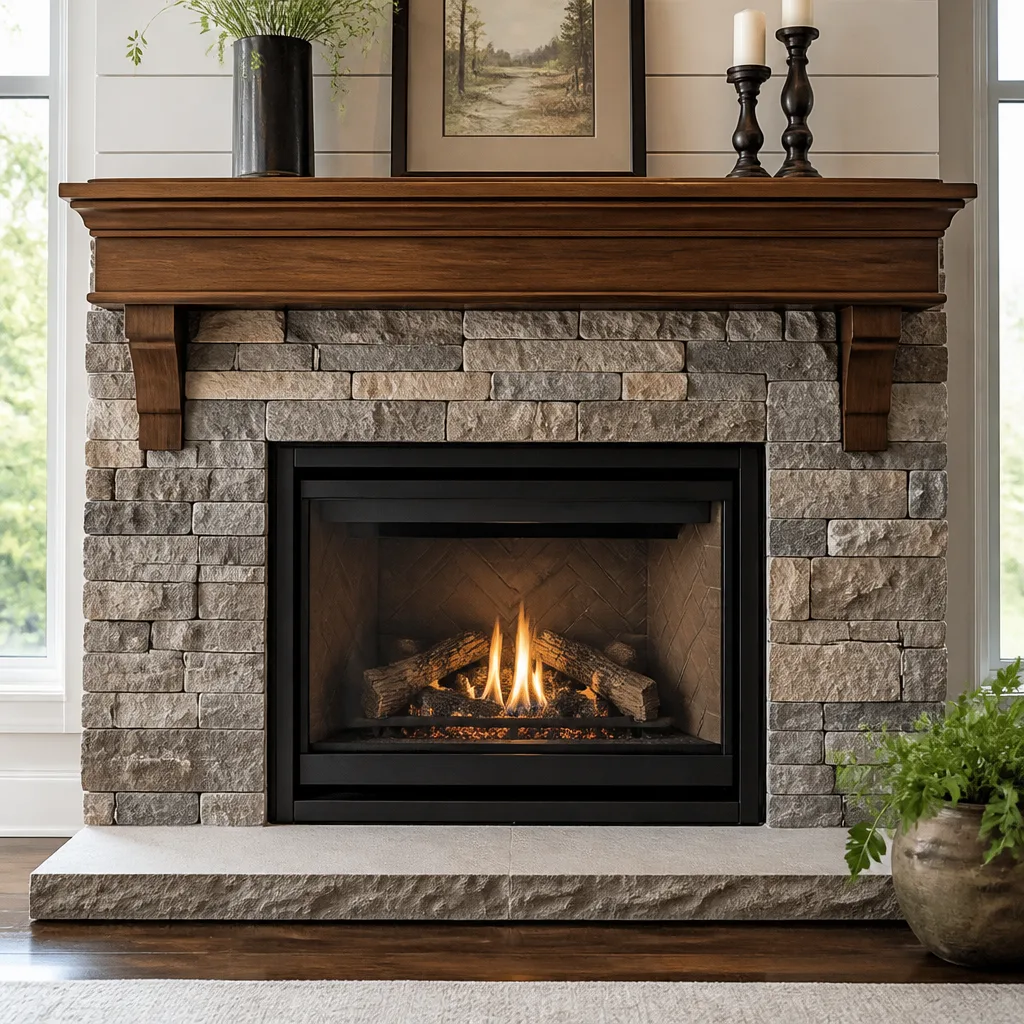
- Assuming no fire means no maintenance. Gas fireplaces and furnaces vent through chimneys too. Their exhaust is cooler and more acidic, producing different but equally serious liner and masonry damage. An unused chimney still suffers moisture intrusion.
- Accepting a sweep without camera documentation. In Paterson’s competitive market, some operators offer lowball sweeping without inspection. You get a clean flue and no knowledge of crown cracks, liner gaps, or damper corrosion. Demand photos you can see.
- Ignoring neighborhood-specific conditions. A chimney in Hillcrest faces different wind exposure than one in the Stoney Road section. A sweep who does not ask about your specific location is not performing a complete assessment.
- DIY cap installation with hardware-store products. Galvanized steel caps from big-box stores corrode within three years in Paterson’s humidity. We remove dozens annually. Proper caps use 304 or 316 stainless steel with proper mesh and mounting.
- Deferring repairs based on a single opinion. If a contractor recommends $4,000 in liner work, get a second opinion. We provide free second opinions on any written estimate. Often the scope can be reduced, or phased, or addressed with a different approach.
- Neglecting the post-season spring inspection. Damage from heavy winter use is most visible and least expensive to address in March. Waiting until the next fall allows six months of moisture and corrosion to compound the problem.
When to Call a Professional
Some chimney conditions demand immediate professional attention regardless of season. Call a sweep if you notice smoke entering your living space, water in the firebox, a strong odor of creosote when the fireplace is cold, or visible cracking or leaning of the chimney structure. These are not maintenance items; they are safety concerns.
We also recommend professional evaluation before any major change: installing a new insert, switching fuel types, or purchasing a home with an unknown chimney history. A Level-2 inspection with camera documentation provides the factual basis for insurance claims, real estate negotiations, and repair prioritization.
Hearthstone Chimney Co. offers free estimates in Paterson. Our phones are staffed by a live person 24 hours a day, 7 days a week. Call (973) 604-2986 to schedule, or visit our Hearthstone Chimney Co. home page to learn more about our services. For specific repair needs, see our Chimney Repair in Paterson page, or for fireplace installation and maintenance, our Fireplace Services in Paterson page.
Frequently Asked Questions
A standard Level-1 chimney sweep and inspection in Paterson typically costs between $175 and $250, while a Level-2 camera inspection with photo documentation runs $289 to $425. Our $89 Seasonal Tune-Up covers basic sweeping and inspection for qualifying chimneys. Call (973) 604-2986 for an exact quote - estimates are free.
For wood-burning fireplaces and stoves, we recommend sweeping after every cord of wood burned, or at minimum once per burning season. Gas fireplaces and furnaces should be inspected annually. Given Paterson’s humid summers and freeze-thaw winters, a post-season spring inspection adds critical protection that once-a-year schedules miss. Call (973) 604-2986 to set up a seasonal plan.
You need a new liner if your existing liner is cracked, gapped, missing, or improperly sized for your appliance. We never recommend liner replacement without camera evidence you can see yourself. In Paterson’s older homes, unlined chimneys or damaged clay tiles are common and create real carbon monoxide and fire risks. If a contractor recommends liner work without showing you photos, get a second opinion. Call (973) 604-2986 for a free second opinion on any written estimate.
Skipped maintenance leads to three predictable outcomes: creosote accumulation increases chimney fire risk; moisture intrusion degrades masonry and metal components; and minor cracks become major structural failures. In Paterson’s climate, the timeline accelerates. A crown crack that might take five years to become serious in a dry climate can fail in two here. The cost of deferred maintenance typically exceeds the cost of scheduled care by a factor of three to five. Call (973) 604-2986 to prevent predictable problems.
Homeowners can perform basic firebox cleaning and ash removal. However, flue sweeping requires proper brushes, rods, and vacuum equipment, and liner inspection requires a camera system most homeowners do not own. More importantly, working on a roof to inspect or repair crowns, caps, and flashing involves fall risk that we do not recommend for untrained individuals. Our background-checked, uniformed technicians complete most jobs in a single visit with no-hassle upfront pricing. Call (973) 604-2986 for safe, documented service.
Summer chimney odor in Paterson is almost always creosote off-gassing combined with humidity-driven downdraft. Warm, moist air enters the flue, rehydrates dried creosote deposits, and carries the smell into your living space through the damper. A proper sweeping removes the source, and a top-sealing damper or dehumidification strategy prevents recurrence. This is particularly common in homes near the Passaic River where ambient humidity is highest. Call (973) 604-2986 for diagnosis and correction.
The Bottom Line
Chimney care in Paterson is not a once-a-year appointment to check off a list. It is a year-round discipline that matches maintenance to the actual conditions your chimney faces: humid summers that degrade crowns and liners, cold winters that test draft and structure, and shoulder seasons that reveal damage while it is still affordable to fix. The homeowners we have served longest, some for thirty years or more, are the ones who adopted this four-season approach and stopped treating their chimney as an afterthought.
Done right, and we stand behind it. Photos you can see, a plain-English verdict, and a 90-Day Done Right Promise in writing with no arguing. That is how we have operated since 1984, and it is how we will continue to serve Paterson.
Written by Russell Haines, Owner at Hearthstone Chimney Co., serving Paterson since 2014.