
Last updated September 10, 2026
Level 1 sweep and inspection to the NFPA 211 annual standard - flue, crown, cap, and flashing checked and photographed
Chimney sweep logs do not sweep chimneys. They loosen some creosote - which then falls where a brush and vacuum still have to collect it.
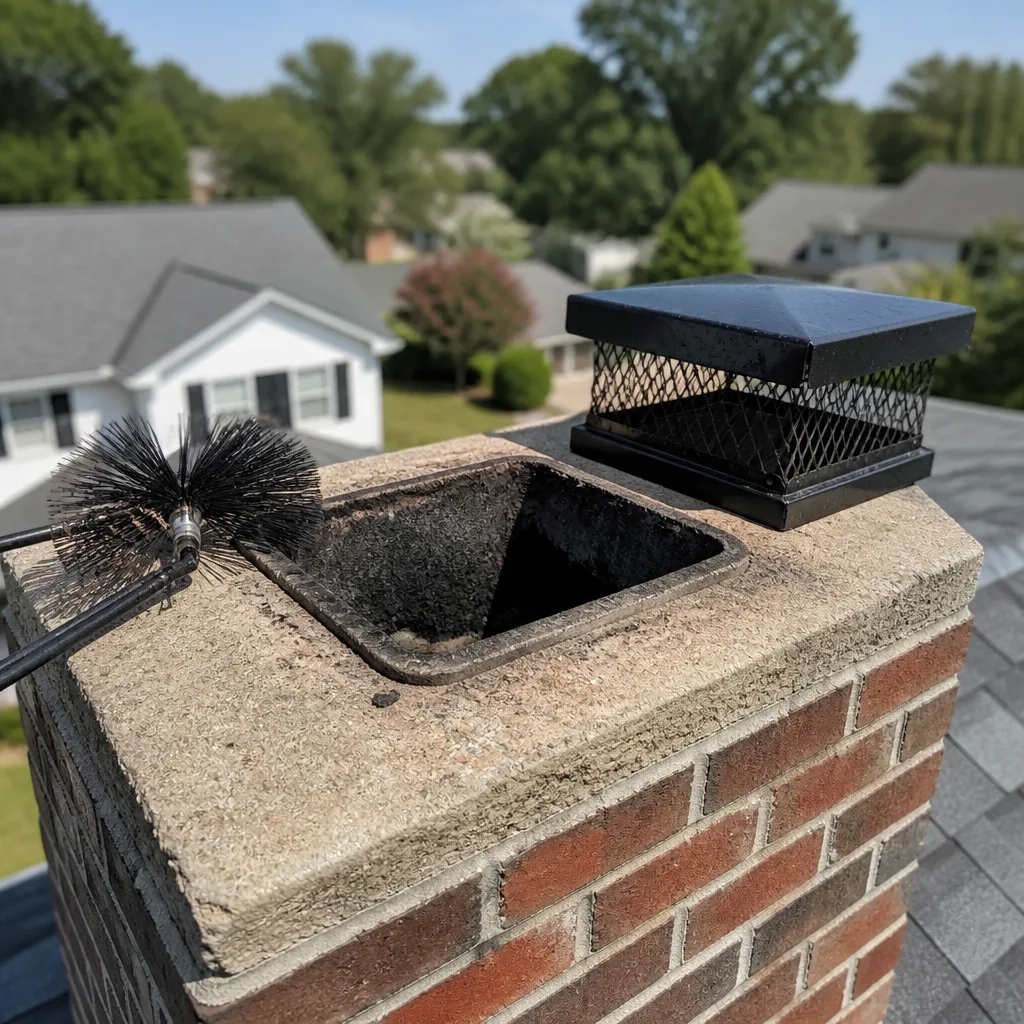
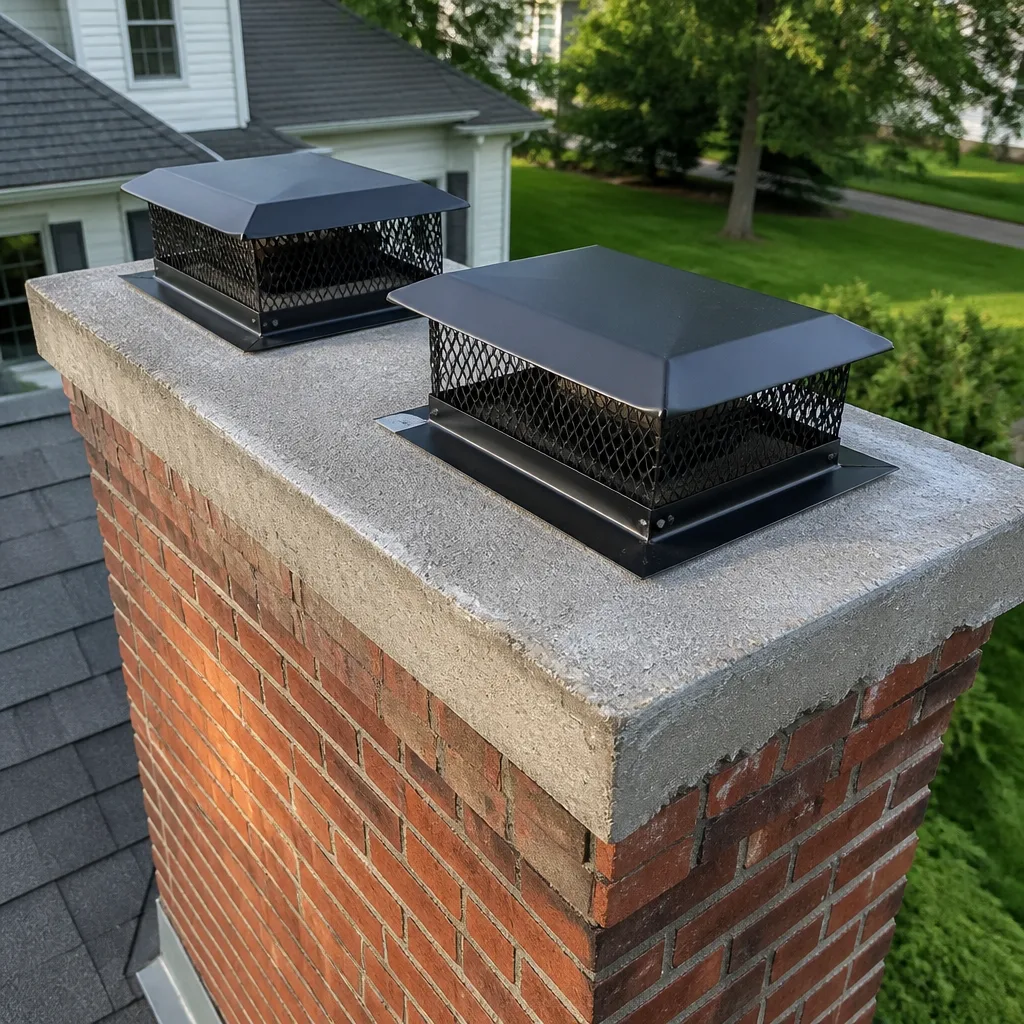

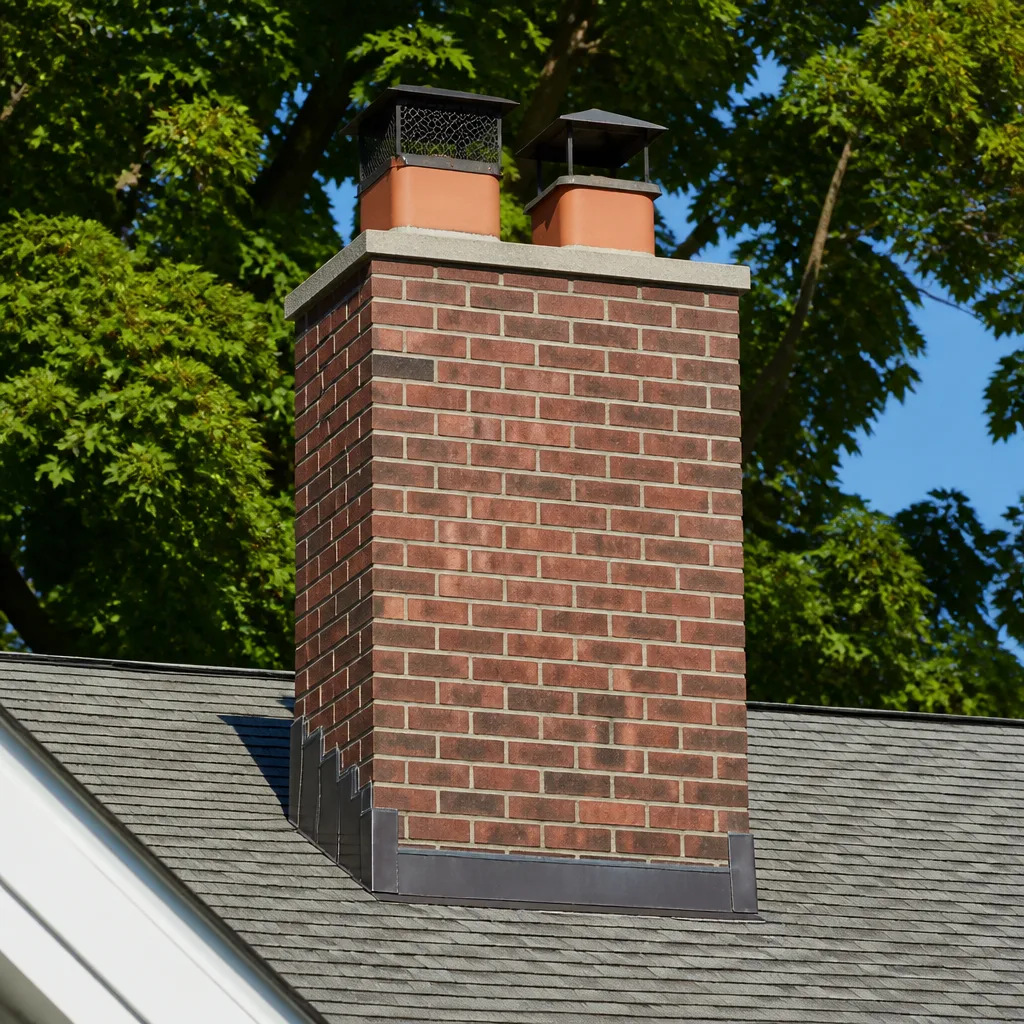
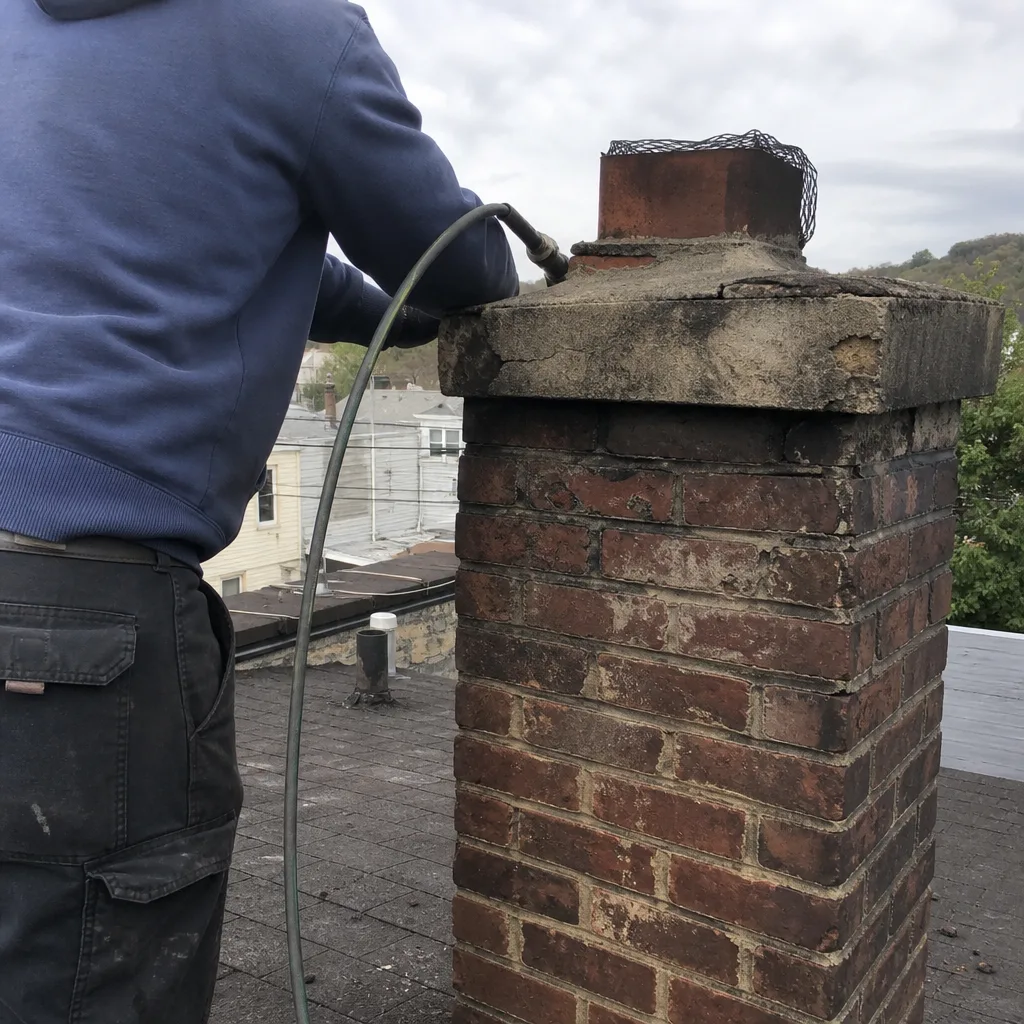 Before
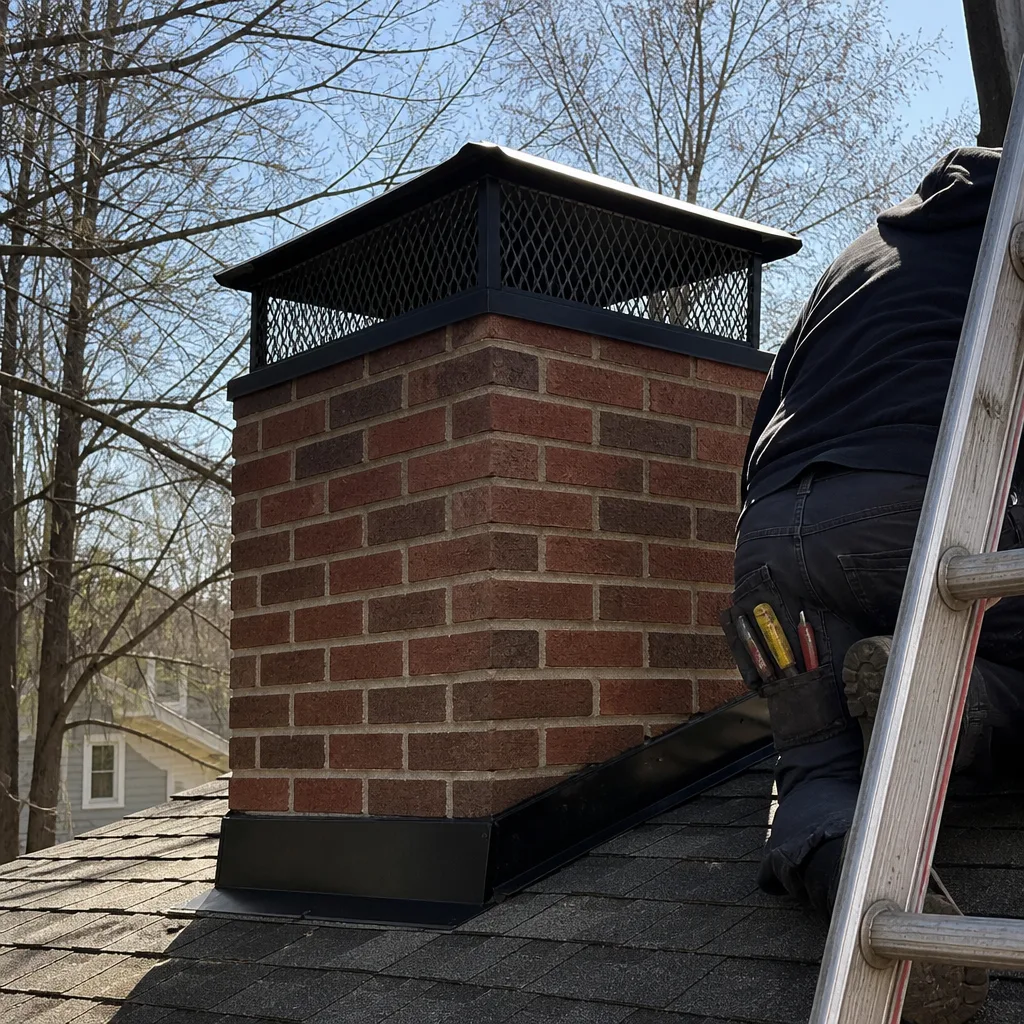 After
After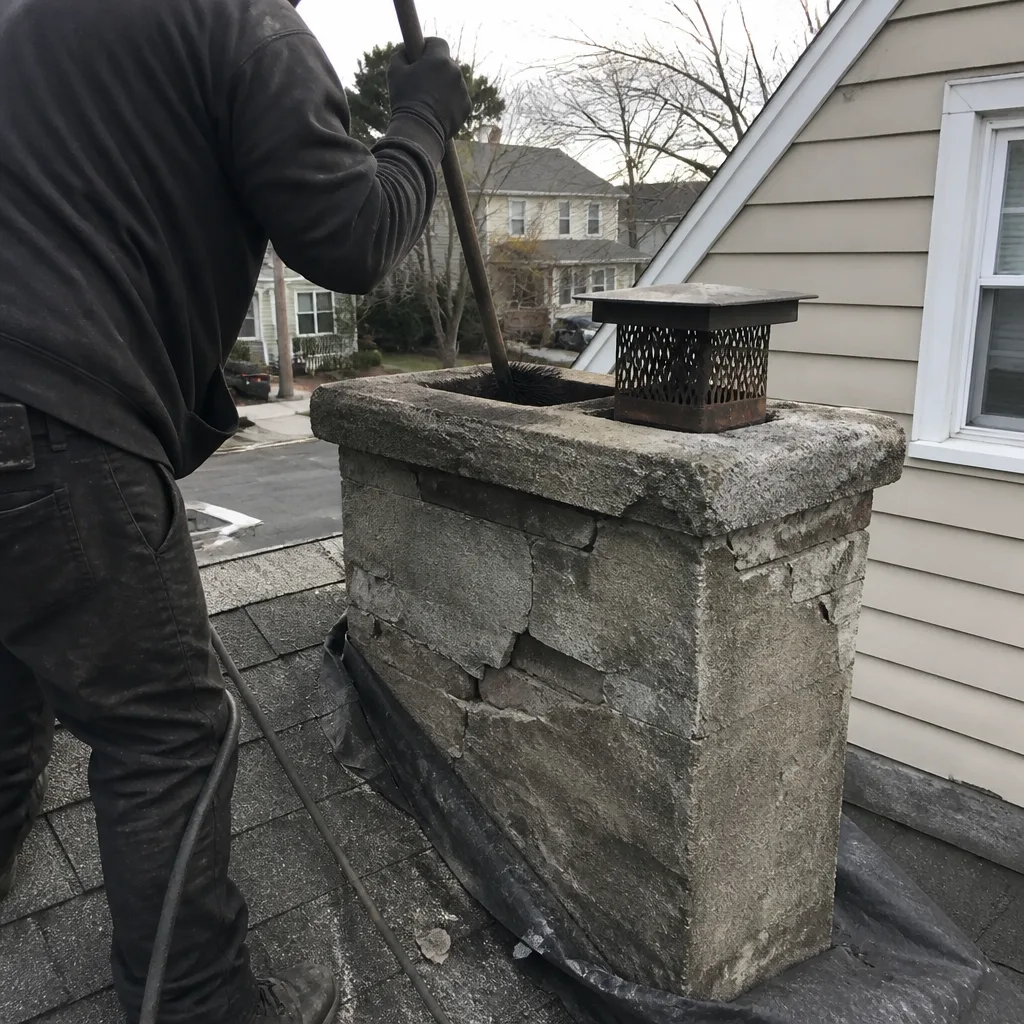 Before
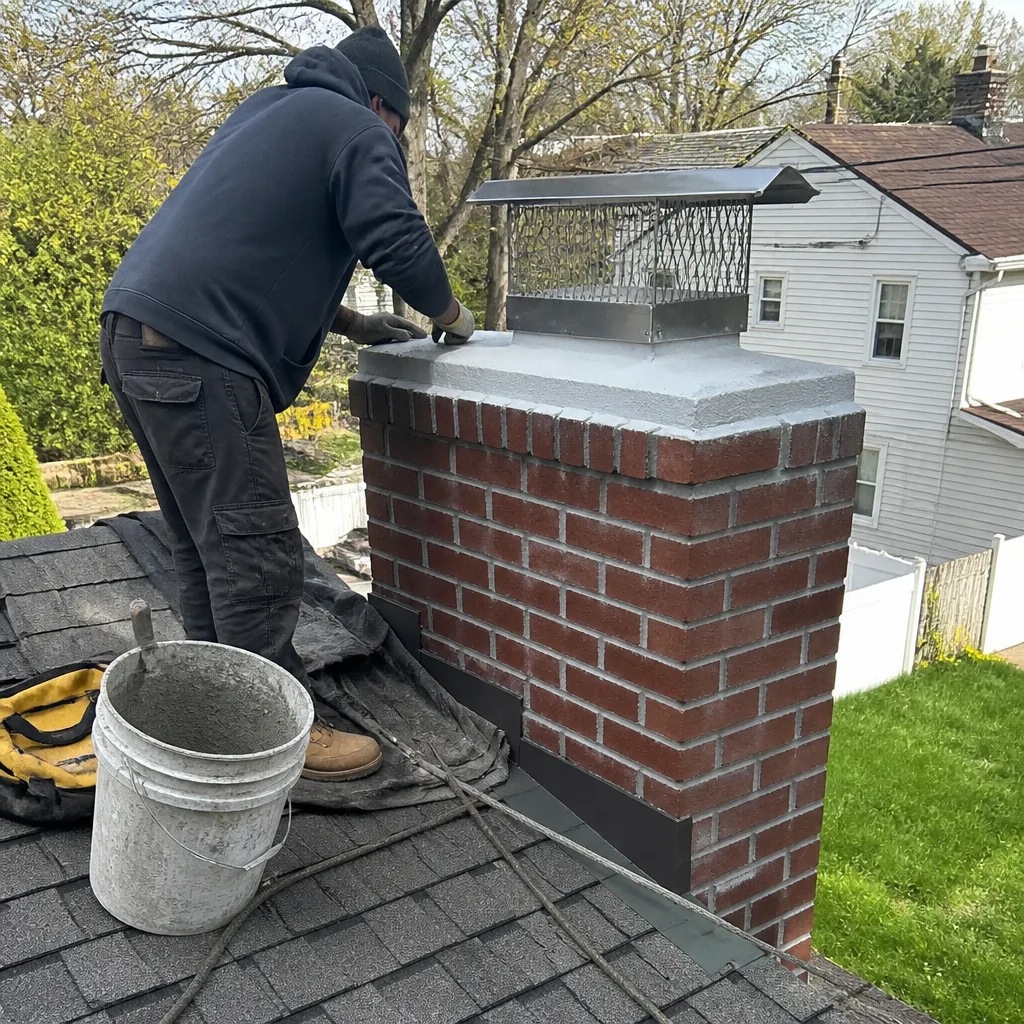 After
After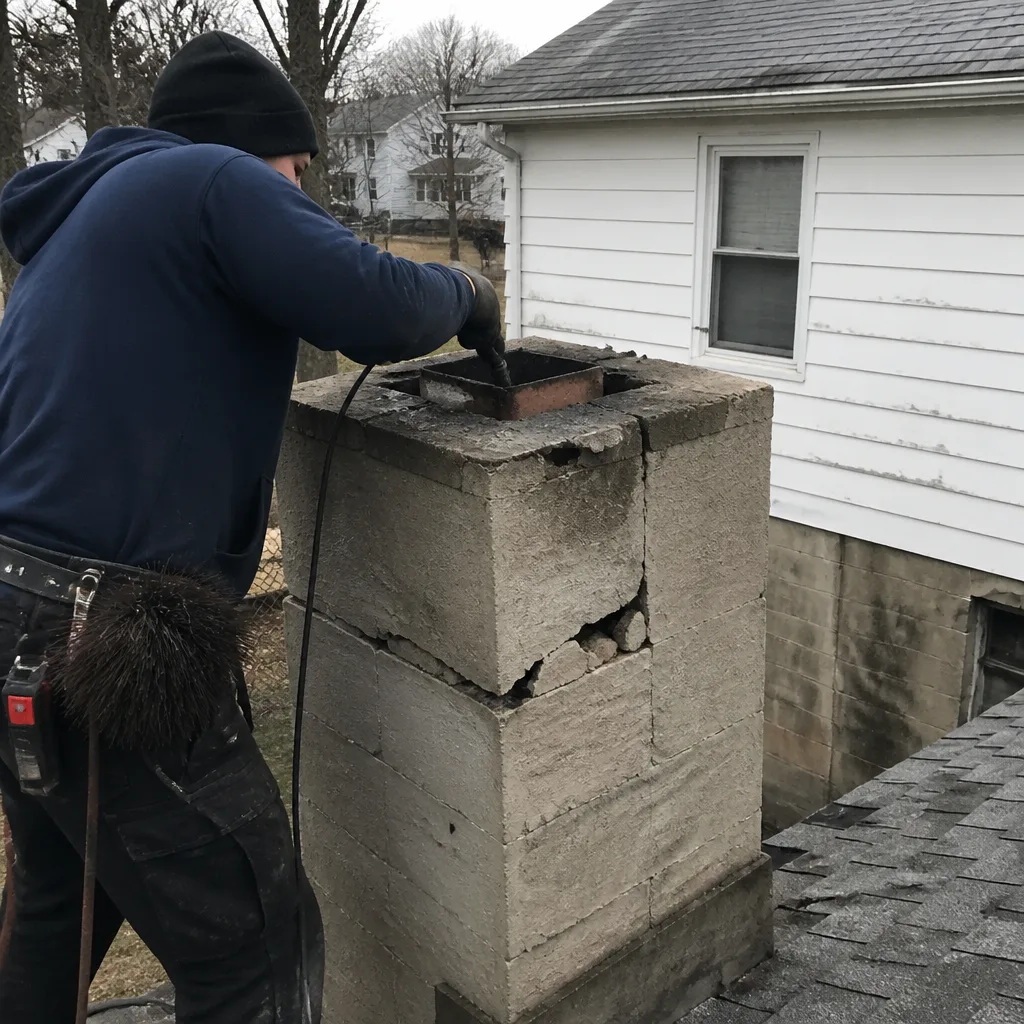 Before
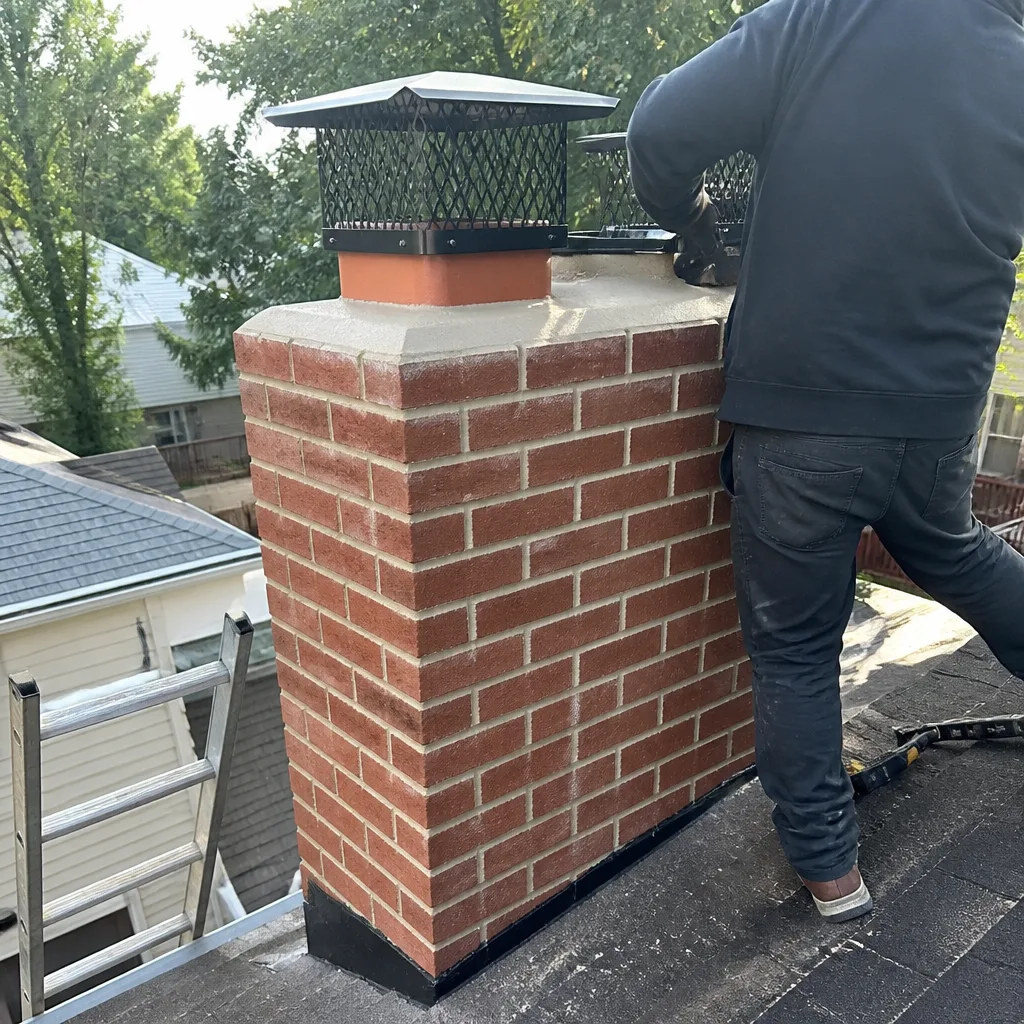 After
AfterChimney Cleaning & Sweep Maintenance Checklist for Paterson Homeowners
Most chimney fires never trigger a smoke alarm. They ignite, burn inside the flue, and extinguish on their own - leaving cracked flue tiles, warped metal, or scorched mortar that the homeowner never sees. We’ve pulled damaged liners from homes in the Eastside and Hillcrest neighborhoods where the owner had no idea anything happened. The difference between catching that damage early and discovering it during a $4,000 rebuild is usually a simple maintenance log that nobody kept. This guide gives Paterson homeowners a room-by-room, season-by-season checklist you can actually use - not a generic printout that lives in a drawer until you sell the house. For more detail, see our Complete Guide to Chimney Cleaning in Paterson.
Quick Answer
A proper chimney maintenance checklist for Paterson homeowners covers three seasonal inspections: pre-heating checks in September, mid-burn assessments in January, and post-season shutdown in April. Between professional sweeps, document five observable firebox conditions, photograph any changes, and keep dated notes your sweep can review. Homes in Paterson’s older stock - particularly pre-war brick construction in the Downtown and Lakeview areas - need closer attention to spalling mortar, interior brick staining, and damper function.
Table of Contents
- Paterson’s Heating Season Calendar: When to Inspect What
- Five Things You Can Spot from Inside the Firebox
- How to Document Findings Between Professional Visits
- Signs Unique to Paterson’s Older Housing Stock
- What to Hand Your Sweep at the Start of an Appointment
- Your Seasonal Maintenance Checklist
- Common Mistakes to Avoid
- When to Call a Professional
- Frequently Asked Questions
Paterson’s Heating Season Calendar: When to Inspect What
Paterson’s climate sits in that narrow zone where heating demand is real but inconsistent. We get roughly 4,800 heating degree days annually, with sustained cold arriving late and leaving early. That inconsistency actually creates more chimney problems than steady northern cold because homeowners start and stop burning without full shutdown procedures.
September: The Pre-Heating Inspection
Before the first fire of the season, walk the exterior. Look for:
- Missing or shifted chimney cap (squirrels are active in Paterson’s mature tree canopy through October)
- White efflorescence on brick faces, indicating moisture migration through porous masonry
- Cracks in the crown wider than a nickel - freeze-thaw will widen them by January
- Vegetation growth in mortar joints, which holds moisture against the brick
Inside, open the damper fully and shine a flashlight up the flue. You’re looking for obstruction: bird nests, collapsed liner sections, or significant soot buildup from last season. In our experience across Paterson, September is when we find the most squirrel and raccoon activity - the animals have had all summer to establish residence.
January: The Mid-Burn Assessment
This is the inspection most homeowners skip, and it’s the most valuable. After 60+ days of regular use, your chimney is showing its true condition under load. Check:
- Damper operation - heat cycling warps metal dampers; we’ve replaced dozens in South Paterson homes that seized mid-season
- Smoke spillage at startup - a properly drafting chimney should clear smoke within 30 seconds of lighting
- Interior brick or surround staining, indicating liner breach or poor draft
- Buildup depth on the smoke shelf (visible with a mirror and flashlight)
April: The Post-Season Shutdown
The shutdown inspection prevents summer damage. Moisture is the enemy of chimney integrity, and an unsealed flue with summer humidity creates accelerated deterioration. Document the final condition, schedule any needed repairs before fall pricing, and install a proper cap if you don’t have one. We see the worst crown deterioration in Paterson homes where the chimney was simply abandoned after the last fire.
Five Things You Can Spot from Inside the Firebox
You don’t need tools to gather meaningful intelligence. These five observations, recorded consistently, create a diagnostic history that speeds professional assessment and catches problems in their early, less expensive stage.
1. Damper Closure and Seal
Close your damper completely after the fire is out. Hold a lit incense stick or thin ribbon near the closed plate. Movement indicates a poor seal, which costs you conditioned air year-round and allows downdraft in summer storms. In Paterson’s older homes with original throat dampers, we’ve found that roughly 40% no longer seat properly due to heat warping or creosote buildup on the seating edge. A damper that won’t fully close is not a minor issue - it’s an energy leak and a moisture entry point.
2. Firebrick Condition
Inspect the refractory panels or firebrick lining for cracks wider than a credit card, significant spalling (surface flaking), or missing mortar between bricks. Hairline cracks are normal; gaps that expose the metal or masonry behind them are not. In homes near the Passaic River with higher ambient humidity, we’ve seen accelerated firebrick deterioration from repeated heating and cooling cycles.
3. Soot and Creosote Deposition Pattern
Look up from the firebox toward the damper. Even soot distribution suggests normal operation. Heavy accumulation on one side indicates draft imbalance - often from wind patterns around your roofline or a partially obstructed flue. Glazed, shiny black deposits indicate advanced creosote formation that requires professional removal; this is not DIY work. The glazed layer is highly combustible and chemically bonded to the flue surface.
4. Smoke Shelf and Throat Area
With a flashlight and small mirror, examine the smoke shelf (the flat area behind the damper) and the throat where the firebox meets the flue. Accumulated debris here - soot chunks, mortar fragments, animal nesting material - restricts draft and creates odor problems in summer. A clean smoke shelf is one of the most overlooked maintenance items we find during chimney cleaning & sweep in Paterson.
5. Hearth-to-Firebox Joint Integrity
The joint where your hearth meets the firebox structure is a thermal expansion point. Cracking or separation here can allow ember contact with combustible framing. In Paterson’s balloon-framed Victorians and early 20th-century construction, this gap has been the origin point for serious structural fires we’ve investigated.
How to Document Findings Between Professional Visits
A notebook on the mantel beats a mental note every time. Here’s the system we’ve refined over 42 years of showing homeowners what we found - and hearing that they “noticed something last spring but forgot to mention it.”
- Take dated photographs from fixed positions. Stand in the same spot each time: one photo looking up the flue with damper open, one of the firebox floor and sidewalls, one of the exterior crown from ground level. Consistent framing lets you compare change over time. Email these to yourself with the date in the subject line for automatic archiving.
- Use a simple severity scale. For each observation, note: Unchanged / Changed since last inspection / New concern / Requires immediate attention. This language is clear to any sweep who reviews your log and prevents the vague “looks different” that wastes appointment time.
- Record burning behavior, not just conditions. Note: dates of first and last fire, fuel type and source, any smoke spillage at startup, unusual odors, or changes in heat output. A sudden decrease in draft performance often precedes visible damage by a full season.
- Keep receipts and previous inspection reports together. When you schedule with Hearthstone Chimney Co. home, we review your full maintenance history. Prior reports from other companies are equally valuable - they establish baseline conditions and show whether recommended work was completed.
The goal is not to replace professional inspection. It’s to make your professional inspection more precise, faster, and less expensive by eliminating diagnostic time.
Signs Unique to Paterson’s Older Housing Stock
Paterson’s housing inventory skews older than national averages, with significant pre-1940 construction in neighborhoods like the Manor Section, Eastside Park, and parts of Totowa. These homes have specific vulnerabilities that newer construction doesn’t share.
Spalling Mortar Joints Visible from the Street
Paterson’s freeze-thaw cycle is hard on lime-based mortars used before Portland cement became standard. When you see surface flaking or missing mortar between bricks - visible from sidewalk level - water has penetrated and expanded during freezing. This is not cosmetic. Each spalled joint is a water entry point that accelerates interior deterioration. We’ve rebuilt crowns in the Manor Section where the exterior showed moderate spalling but the interior flue liner had completely detached from the wall due to decades of moisture infiltration.
Interior Brick Wall Staining
In homes with interior chimney breasts (the brick wall that contains the flue), water staining on plaster or drywall adjacent to the chimney indicates liner breach or crown failure. The stain pattern matters: a horizontal line suggests a specific joint failure; a spreading patch suggests cap or crown water entry. Photograph these stains when fresh - faded stains are harder to interpret months later.
Damper That Won’t Fully Close
Original cast-iron throat dampers in Paterson’s older homes warp predictably after decades of heat cycling. A damper that seats on one side but gaps on the other is a common finding. The gap allows summer humidity up the flue, which accelerates metal liner corrosion in gas systems and mortar deterioration in masonry chimneys. Replacement with a top-sealing damper, properly sized and installed, often pays for itself in energy savings within three heating seasons.
Multiple Appliance Sharing
Many Paterson homes originally had coal or oil heat converted to gas, with the furnace and fireplace sharing a chimney flue. This configuration, legal when installed, often violates current code and creates dangerous draft interaction. If your home has a single flue serving multiple appliances, it needs professional evaluation regardless of apparent function. Chimney repair in Paterson frequently involves separating these systems with dedicated liners.
What to Hand Your Sweep at the Start of an Appointment
The first ten minutes of a chimney appointment often determine its value. Come prepared with four items:
- Your maintenance log and photographs. Dated, organized, specific. This cuts diagnostic time and directs attention to changes rather than baseline conditions.
- Previous inspection reports. Even reports from other companies establish history. We want to know what was recommended, what was done, and what was deferred. Deferred maintenance items are our first focus - they have had time to worsen.
- A list of specific concerns. “Smell in August,” “draft seems weaker,” “heard something in the flue in March.” Specific observations, even seemingly minor, often correlate with findings we can verify.
- Your burning practices. Frequency, fuel type, whether you burn overnight or let fires die naturally. This affects creosote formation rate and helps us assess whether your cleaning interval is appropriate.
With this information, our technicians conduct a Level-2 camera inspection that ends with photographs you can see and a plain-English verdict. Documented like an engineer, explained like a craftsman. No surprises on the bill - no-hassle upfront pricing means the estimate number matches the invoice number.
Your Seasonal Maintenance Checklist
This is the record we encourage Paterson homeowners to keep. Print it, date your entries, and bring it to every appointment.
September - Pre-Heating
- □ Exterior walk-around: cap, crown, brick condition, vegetation
- □ Interior visual: damper operation, flue obstruction, firebox integrity
- □ Test smoke and CO detectors
- □ Verify firewood is seasoned (20% moisture or less)
- □ Schedule professional inspection if not done within 12 months
- □ Photograph current conditions, email with date
January - Mid-Burn
- □ Damper function check - full open, full close, seal test
- □ Draft performance at startup - smoke clearance within 30 seconds
- □ Firebox condition - new cracks, spalling, staining
- □ Creosote accumulation pattern - even, uneven, glazed
- □ Smoke shelf and throat debris check
- □ Document any operational changes since September
April - Post-Season Shutdown
- □ Final burn documented, damper closed and sealed
- □ Cap secured or installed if missing
- □ Interior condition photographed for comparison
- □ Repair needs identified and scheduled (off-season pricing)
- □ Maintenance log updated, stored with previous records
For gas fireplace and insert owners, fireplace services in Paterson should include annual burner inspection, even when the chimney appears clean. Gas combustion produces corrosive condensation that damages liners from the inside with no visible external warning.
Common Mistakes to Avoid
- Waiting for visible smoke or odor before acting. By the time you smell chimney problems, they are typically advanced. Carbon monoxide has no odor. Schedule by calendar, not by symptom.
- Assuming gas means no maintenance. Gas appliances produce water vapor and acidic condensation that deteriorate liners silently. We’ve replaced DuraFlex liners in Paterson homes where the owner assumed gas burning was “clean.”
- Using the wrong fuel or treated materials. Pressure-treated lumber, painted wood, and household trash create accelerated, dangerous creosote. Stick to seasoned hardwood. In Paterson’s dense neighborhoods, improper burning also creates nuisance complaints.
- Ignoring the crown and cap. Water entry destroys chimneys from the top down. A $200 cap installation prevents $3,000 rebuilds. We see this deferred constantly in Lakeview and Hillcrest properties with mature tree coverage.
- DIY creosote removal with chemical logs or brushes. Chemical logs reduce buildup slightly but do not replace mechanical sweeping. Homeowner brush kits often damage flue tiles or leave dangerous deposits in bends and offsets. This work requires proper equipment and training.
- Failing to verify contractor credentials. New Jersey requires chimney sweep registration. Ask for proof of insurance, written estimate, and guarantee terms. Our 90-Day Done Right Promise is in writing with no arguing - if it’s not right, we come back. That standard should be your minimum.
When to Call a Professional
Call for immediate evaluation if you observe: smoke entering the room at any point during burning; a strong, sharp odor during fireplace use; visible cracks in the flue liner (seen during your flashlight inspection); pieces of tile or masonry in the firebox; or a damper that will not open or close fully. These match the Chimney Cleaning Warning Signs: A Paterson Homeowner’s Reference Guide. These conditions indicate active safety concerns that require professional assessment before the next fire.
For routine maintenance, schedule based on use: annual inspection for all chimneys, cleaning when creosote exceeds 1/8 inch thickness, and immediate service if fuel type or burning practices change. In Paterson’s variable climate, the September pre-heating inspection is the critical appointment - it catches summer damage and ensures safe first firing.
Hearthstone Chimney Co. offers free estimates in Paterson. Call (973) 604-2986. A live person answers every call, 24 hours a day, 7 days a week - not a voicemail, not a callback queue. Background-checked, uniformed technicians complete most jobs in a single visit. Photos you can see, a plain-English verdict. Done right - and we stand behind it.
Frequently Asked Questions
A standard Chimney Cleaning & Sweep and Level-1 inspection in Paterson typically ranges from $150 to $300, depending on accessibility, flue condition, and whether a Level-2 camera inspection is needed. Hearthstone’s $89 Seasonal Tune-Up covers basic cleaning and safety check for qualifying systems. Call (973) 604-2986 for an exact quote - estimates are free.
The National Fire Protection Association recommends annual inspection for all chimneys, with cleaning frequency determined by creosote accumulation. Most Paterson homeowners burning seasoned hardwood 2-3 times weekly need cleaning every 1-2 years. Heavy use, softwood burning, or improper fuel practices require more frequent service. We assess buildup during inspection and recommend based on measured conditions, not a calendar default.
You need a new liner when the existing one is damaged, improperly sized, or absent - verified by camera inspection, not assumption. Common indicators: visible cracks or gaps in tile liners, corrosion holes in metal liners, or draft performance that cannot be corrected otherwise. At Hearthstone, we use HeatShield and DuraFlex materials and show you the camera evidence before recommending replacement. Work that can safely wait is identified as such.
Skipped maintenance leads to three predictable outcomes: creosote accumulation increases chimney fire risk; moisture entry deteriorates masonry and liner; and minor repairs become major rebuilds. In Paterson’s older housing stock, we’ve seen $200 crown repairs become $4,000 rebuilds after two deferred seasons. The cost of maintenance is always lower than the cost of repair.
Homeowners can perform visual inspection and basic debris removal from the firebox and smoke shelf. Mechanical sweeping of the flue requires proper brushes, rods, and knowledge of flue construction - and carries real risk of damage or incomplete cleaning. For glazed creosote or liner damage, professional service is essential. We use professional-grade equipment and complete most jobs in a single visit with no mess left behind.
Paterson’s housing stock includes significant pre-1940 construction with unlined or partially lined flues, lime-based mortars vulnerable to freeze-thaw, and configurations (multiple appliances per flue, coal-to-gas conversions) that don’t meet current code. These factors require experienced evaluation, not standardized treatment. Our 42 years serving this market means we’ve seen the specific failure patterns in Paterson’s neighborhood housing types.
The Bottom Line
A chimney maintenance checklist works only when it is used - not filed. Paterson homeowners with older construction, variable heating seasons, and the intention to stay in their homes benefit most from systematic documentation between professional visits. Record what you observe, photograph what changes, and schedule inspection by calendar rather than crisis. The five firebox observations, three seasonal checkpoints, and documentation habits in this guide create a maintenance record that protects your home and reduces lifetime chimney costs. Professional service fills the gaps your eyes cannot reach: camera inspection of the full flue, evaluation of liner integrity, and assessment of structural conditions visible only from the roof. For more guides & resources, visit our blog. Combine homeowner vigilance with expert inspection, and your chimney becomes the reliable system it was built to be.
Written by Russell Haines, Owner at Hearthstone Chimney Co., serving Paterson since 2014.