
Last updated September 10, 2026
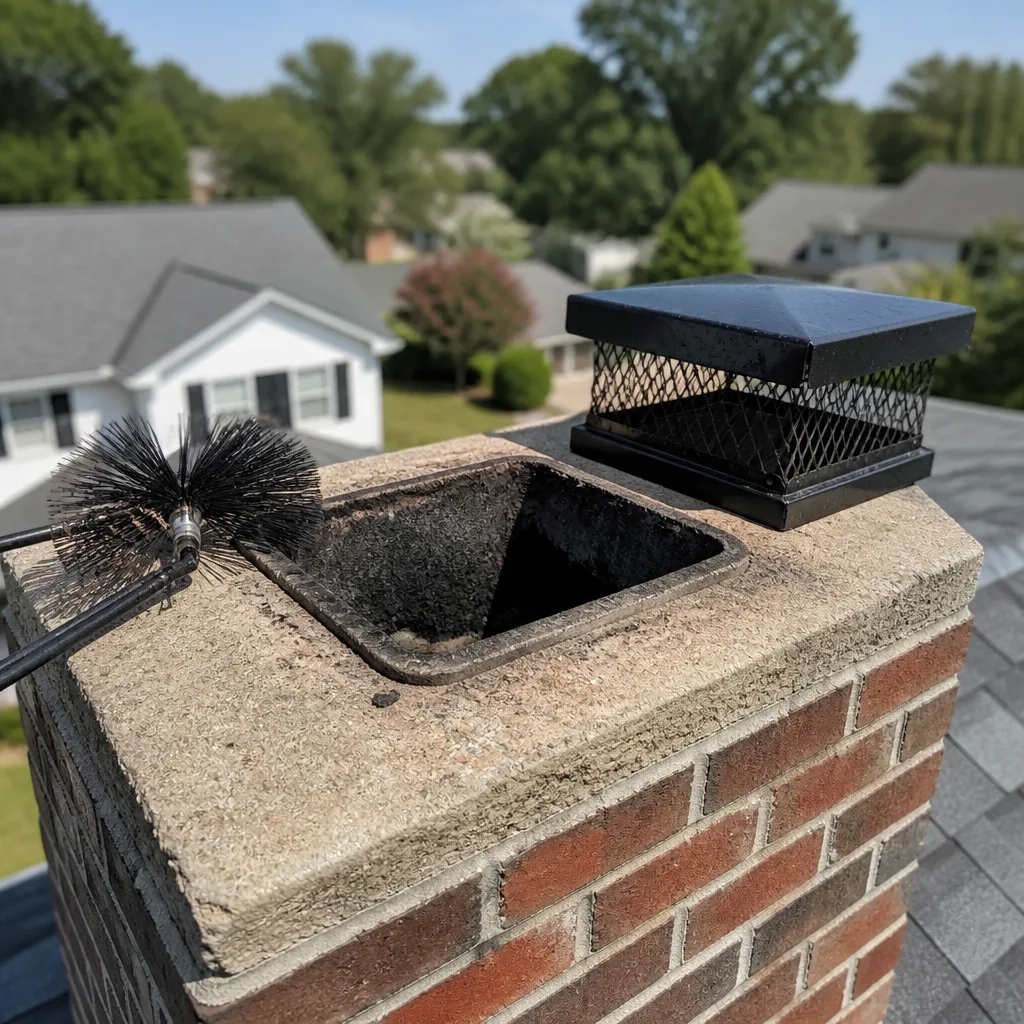
Level 1 sweep and inspection to the NFPA 211 annual standard - flue, crown, cap, and flashing checked and photographed
Chimney sweep logs do not sweep chimneys. They loosen some creosote - which then falls where a brush and vacuum still have to collect it.

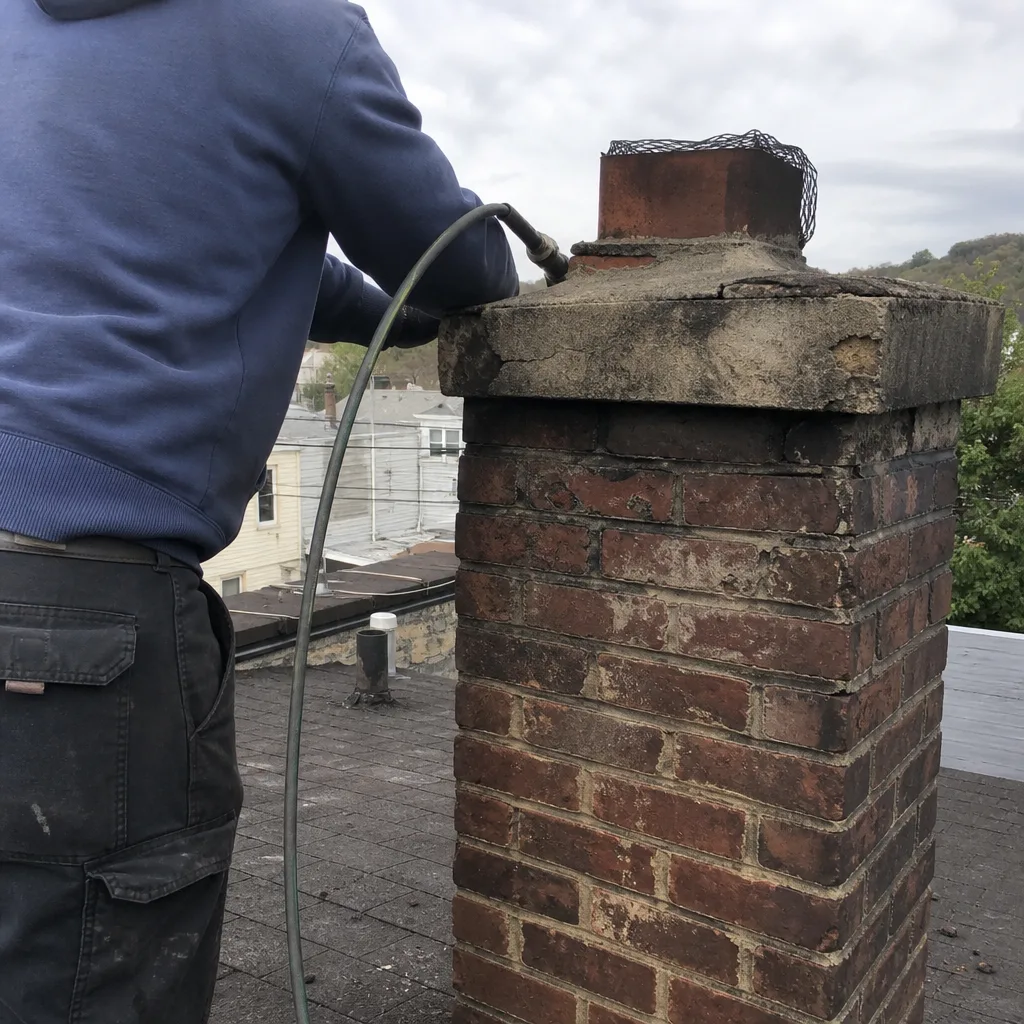 Before
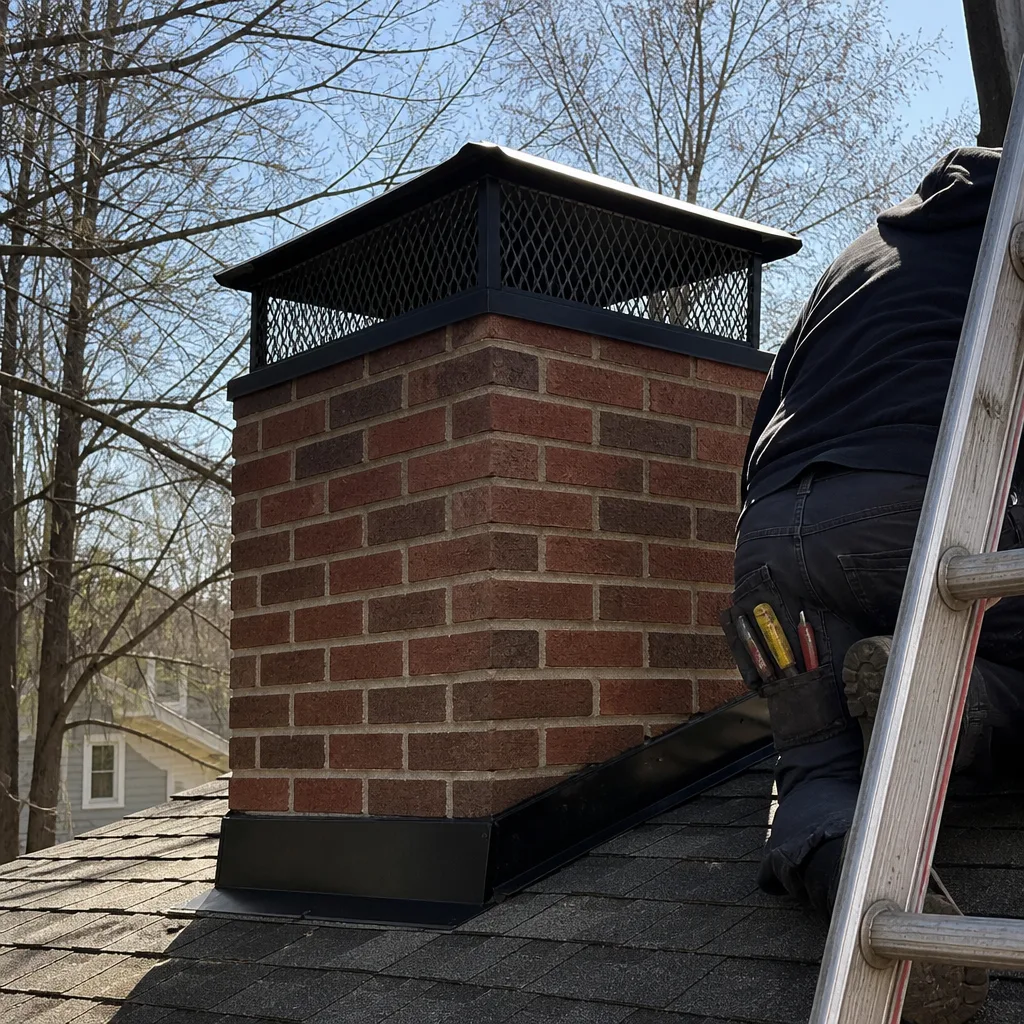 After
After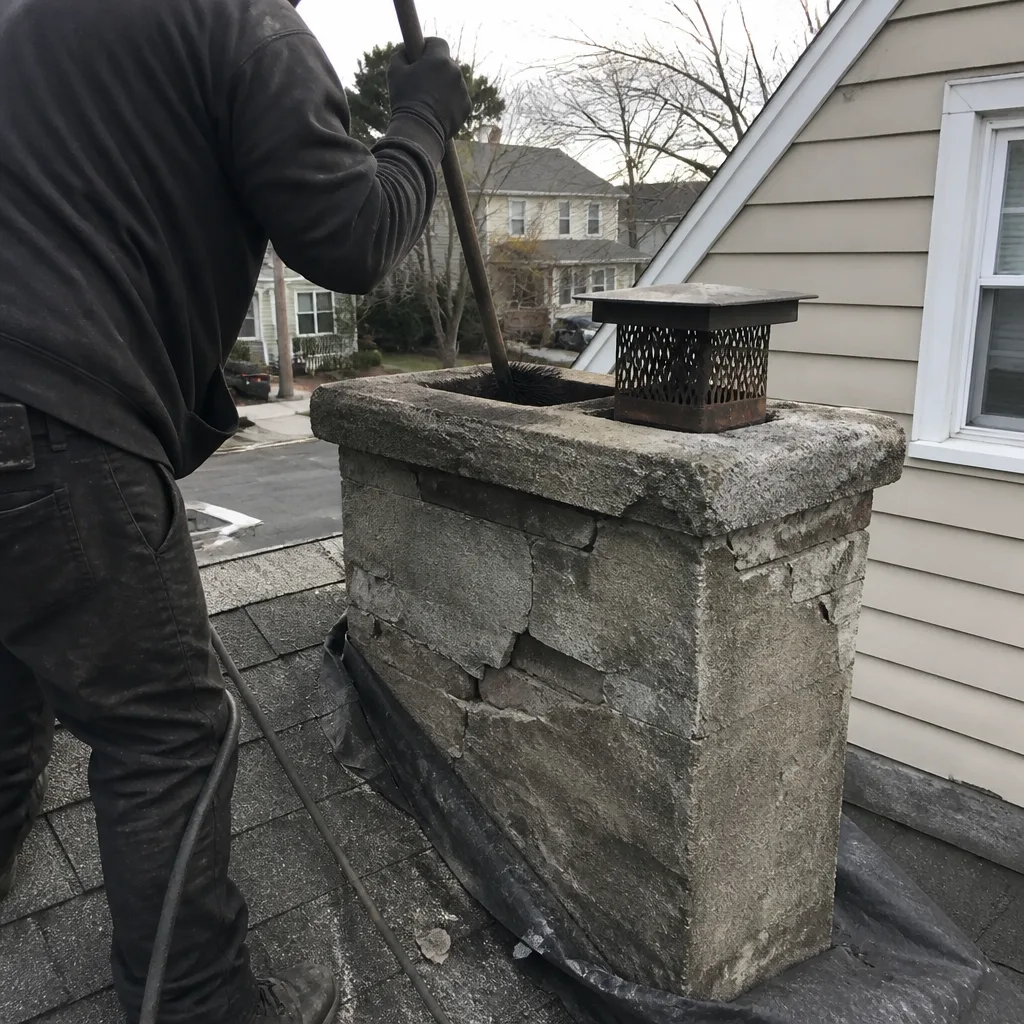 Before
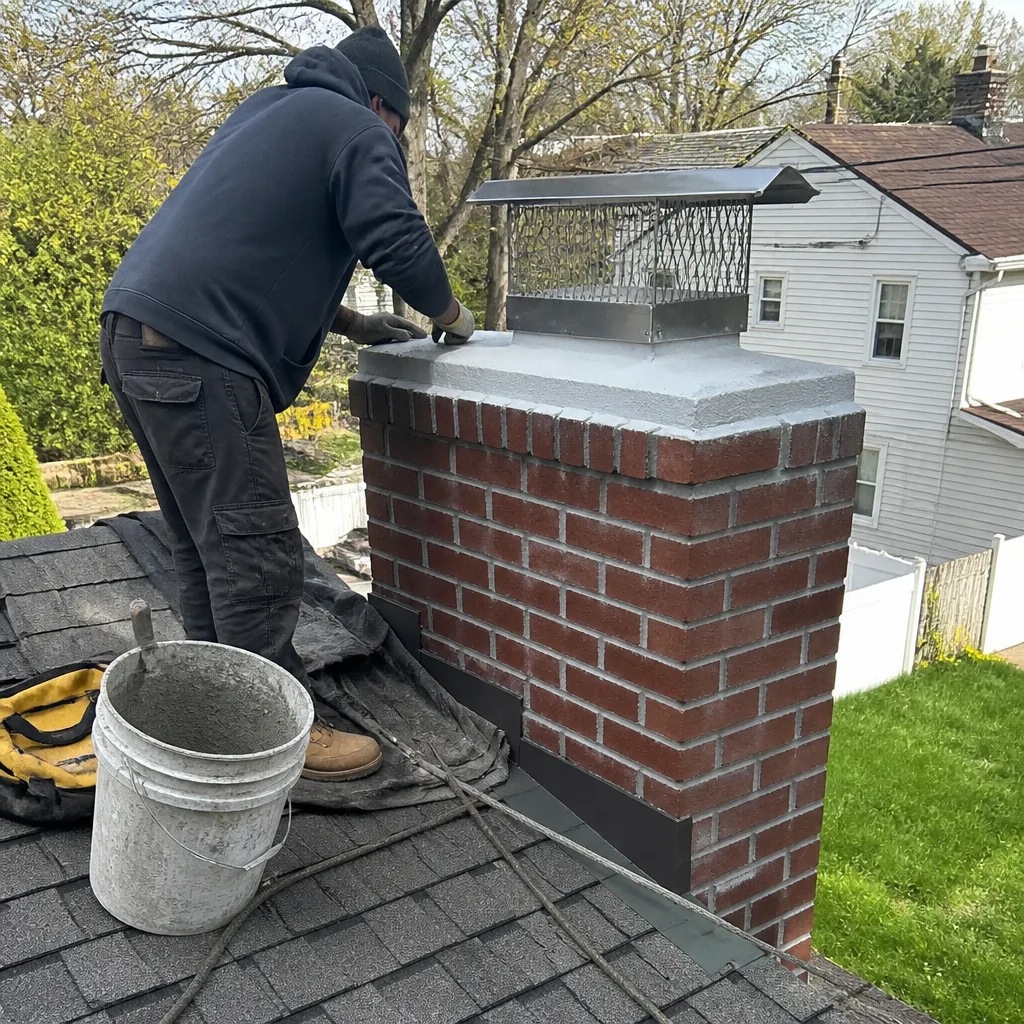 After
After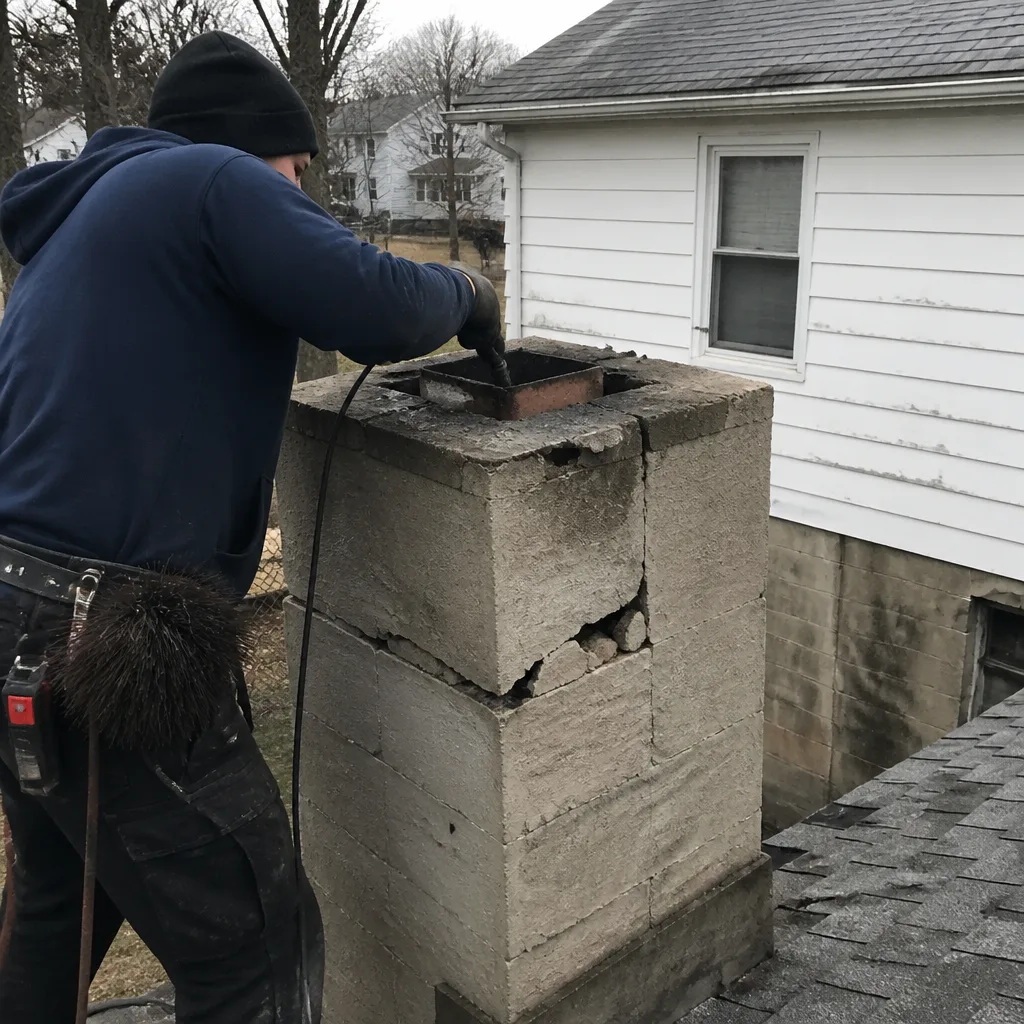 Before
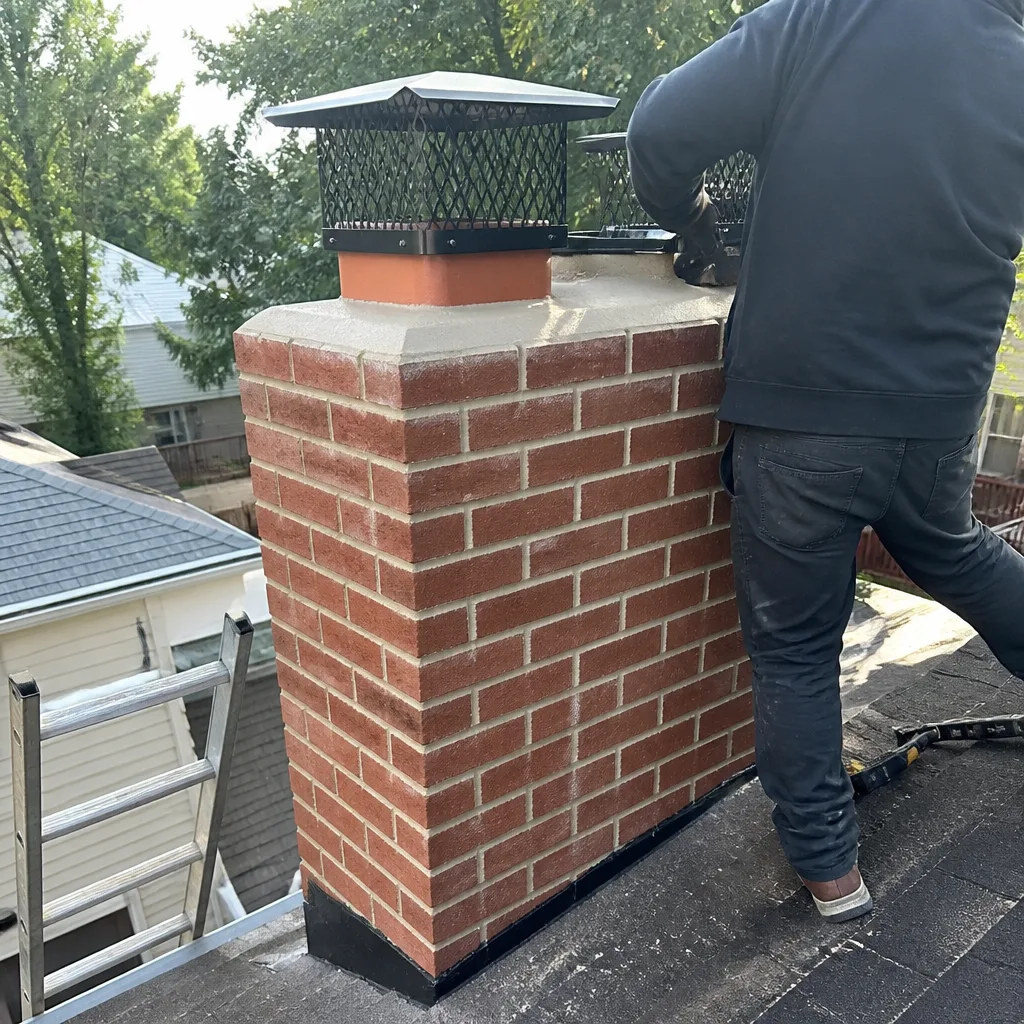 After
AfterChimney Cleaning Warning Signs: A Paterson Homeowner’s Reference Guide
A white stain running down the outside of a chimney looks like a cosmetic issue. It is actually efflorescence, mineral salts pushed outward by water moving through the masonry, and it means water is already inside the structure. In Paterson’s older housing stock, where many chimneys serve original coal-converted fireplaces or decades-old oil systems, the gap between “looks fine” and “needs immediate attention” is wider than most homeowners realize. This guide names the specific warning signs, explains what each one means mechanically, and tells you which require a same-week call and which can wait for a scheduled appointment. For related reading, see our more guides & resources.
Quick Answer
The most critical chimney warning signs for Paterson homeowners are: strong smoke odor from a cold firebox (schedule within the week), visible cracking at the crown or firebox floor (stop using and call today), and thick, tar-like creosote buildup in the firebox (immediate stop-use until swept). Most other signs, including exterior efflorescence and minor mortar wear, require attention within the burning season but do not demand emergency response.
Table of Contents
- Eight Warning Signs Ranked by Urgency
- What Your Smoke Is Telling You
- Identifying Third-Degree Creosote Without a Camera
- Exterior Masonry Signals in Paterson’s Older Homes
- Cleaning vs. Repair: Knowing the Difference
- Paterson’s Climate and Your Chimney
- Common Mistakes to Avoid
- When to Call a Professional
- Frequently Asked Questions
Eight Warning Signs Ranked by Urgency
After 42 years in this trade, we’ve learned that homeowners almost always see the problem before it becomes dangerous. The issue is knowing what you’re seeing. Here are the eight warning signs we encounter most often in Paterson, ranked from “schedule soon” to “do not use.”
Level 1: Schedule Within Two Weeks
Light efflorescence on exterior brick. That white, chalky staining is salt crystallization from moisture migration. It means water is getting in, but the masonry is still shedding it. In Paterson’s freeze-thaw climate, this will accelerate spalling (surface flaking) if ignored through winter. Book a Level-2 camera inspection before the next burning season.
Minor mortar joint recession. If you can fit a pencil into a mortar joint, water already has. This is normal aging for 80- to 100-year-old brick, but it is not self-healing. Repointing with proper lime-based mortar (not Portland cement, which traps moisture) prevents structural compromise.
Level 2: Schedule Within the Week
Strong smoke odor from a cold firebox. A firebox that smells like yesterday’s fire when no fire has been lit indicates poor draft, blocked flue, or negative air pressure in the house. In Paterson’s tighter, well-insulated older homes, modern weatherization often creates this pressure imbalance. The smell means combustion gases are not exiting properly even when the fireplace is “off.”
Rust on the damper or firebox components. Rust requires moisture plus oxygen. If your damper is rusting, water is entering from above, usually through a cracked crown, failed flashing, or missing cap. Rusted dampers seize partially open, wasting heat and creating draft problems.
Level 3: Stop Using and Call Today
Visible cracking at the crown or firebox floor. The crown is the concrete slab topping your chimney; the firebox floor takes direct flame. Cracks here expose structural elements to heat and water. A cracked firebox floor can allow fire to reach combustible framing. This is not a cleaning issue; it is a repair issue requiring professional evaluation.
Spalling brick with exposed inner masonry. When brick faces flake off completely, the freeze-thaw cycle has already destroyed the outer layer. In Paterson’s climate, this accelerates dramatically once started. Spalling near the roofline often indicates failed flashing; at the base, it suggests groundwater wicking.
Thick, tar-like or shiny black deposits in the firebox. This is third-degree creosote, and it is the leading cause of chimney fires. See the next section for identification without a camera.
Smoke backing into the room during normal operation. Not startup smoke, which is common, but continuous smoke infiltration during a established fire. This indicates blocked flue, damaged liner, or structural compromise. Extinguish the fire and do not use again until inspected.
What Your Smoke Is Telling You
Smoke behavior is diagnostic. Different symptoms point to different failures, and misreading them leads to unnecessary expense or missed danger.
Smoke That Backs Into the Room
Smoke entering the room during an established fire, not just at startup, signals a blocked or restricted flue. Causes we see regularly in Paterson include:
- Bird or squirrel nests. Common in spring and fall, especially where caps are missing or damaged.
- Collapsed clay flue liner. Older Paterson homes often have unlined brick chimneys or single-wall clay tiles that fracture from thermal shock.
- Excessive creosote buildup. Restricting the flue diameter by even an inch reduces draft capacity significantly.
- House depressurization. Modern furnaces, range hoods, and bathroom fans can create negative pressure that overcomes chimney draft, especially in tightly sealed homes.
Startup smoke, by contrast, is usually cold air in the flue that reverses briefly before heat establishes upward flow. It clears within 2-3 minutes. If it persists, that’s Level 3.
Smoke That Smells Oily or Chemical
An oily, acrid smoke odor, especially when no fire is burning, suggests volatile organic compounds off-gassing from creosote deposits heated by ambient temperatures. This occurs in south-facing chimneys that solar-heat during the day. The smell is not just unpleasant; it indicates significant, active creosote accumulation that can ignite at lower temperatures than normal wood smoke residue.
Smoke Appearance: Startup vs. Continuous
Thin, gray smoke at startup that turns clear is normal combustion. Thick, brown or black smoke that continues indicates incomplete combustion, wet wood, or restricted airflow. In Paterson, where many homeowners burn purchased firewood stored outdoors, moisture content above 20% is a common culprit. But if the wood is seasoned and smoke remains dark, suspect flue restriction.
Identifying Third-Degree Creosote Without a Camera
Third-degree creosote, also called glazed creosote, is the most dangerous accumulation and the most difficult to remove. It forms when wood smoke condenses on flue walls that are too cool, typically from burning unseasoned wood, restricted airflow, or exterior chimneys on north-facing walls that never warm sufficiently.
You can identify it from the firebox without specialized equipment:
- Appearance: Thick, shiny, black or dark brown coating that looks like tar or melted plastic. It may drip or run down firebox walls.
- Texture: Hard, glossy, and brittle when cooled. First-degree creosote is fluffy and brushes off easily. Third-degree is rigid and adherent.
- Odor: Strong, pungent, chemical smell even when cold. First- and second-degree creosote smell like wood smoke; third-degree has a sharper, more acrid quality.
- Location: Concentrated at the top of the firebox and on the smoke shelf, where temperatures drop and condensation occurs.
If you observe these characteristics, stop using the fireplace immediately. Third-degree creosote ignites at approximately 450°F, well below normal flue temperatures during active burning. A chimney fire with glazed creosote can reach 2,000°F and damage clay liners, mortar joints, and adjacent framing.
Removal requires mechanical rotary cleaning with chains or whips, not standard brushing. At Hearthstone Chimney Co., we document the extent with camera inspection before and after, and we use professional-grade equipment matched to the flue type. This is not a DIY procedure; see DIY vs Professional Chimney Cleaning: The Paterson Homeowner’s Decision Guide for why improper removal can damage liners or leave dangerous residue.
Exterior Masonry Signals in Paterson’s Older Homes
Paterson’s housing stock includes significant pre-war construction, much of it brick row houses and detached homes built between 1890 and 1940. These chimneys were designed for coal and later converted to oil, gas, or wood. The masonry tells a story if you know how to read it.
Efflorescence: The White Stain That Means Water
Efflorescence appears as white, gray, or yellowish powder on brick surfaces. It is soluble salt pushed out by moisture moving through porous masonry. In Paterson, we see it most often on:
- North-facing chimneys that stay damp longer after rain
- Chimneys with failed crowns where water enters vertically
- Party walls between row houses where flashing details were never proper
Efflorescence itself is not structurally damaging, but it proves water is transiting the masonry. In freeze-thaw cycles, that water expands, creating spalling and joint failure. The salt also indicates underlying chemistry changes that weaken mortar over decades.
Spalling: When Brick Faces Fall Off
Spalling is the flaking or complete loss of the brick’s outer “face,” exposing the softer inner body. In Paterson’s climate, this accelerates when:
- Brick was originally soft, absorbent “common” brick rather than hard-fired facing brick
- Previous repointing used Portland cement mortar, which is harder than the brick and traps moisture
- Chimneys lack proper caps or have had crown failure for multiple seasons
Spalled brick cannot be “sealed” or painted effectively. The brick must be replaced, and the water source eliminated. We use Chimney Repair in Paterson protocols with materials from Copperfield and Famco matched to existing masonry.
Mortar Joint Recession and Pattern
Joint erosion follows patterns. Erosion at the top third of the chimney indicates crown or cap failure. Uniform erosion suggests age and weather exposure. Erosion only on one face, typically south or west, indicates wind-driven rain exposure, common in Paterson’s exposed hillside neighborhoods like Eastside and Hillcrest.
Joint width matters too. Original lime mortar joints in pre-war construction were often 3/8 to 1/2 inch. If joints have eroded to 3/4 inch or more, the structural bond is compromised. Repointing with proper lime mortar restores both appearance and structural integrity.
Cleaning vs. Repair: Knowing the Difference
Confusing a cleaning need with a repair need, or vice versa, costs homeowners money and sometimes creates danger. Here is how we distinguish them in the field.
Cleaning Resolves
- Creosote accumulation of any degree
- Soot and debris restricting draft
- Minor animal nesting material (if accessible)
- Glazed or powdery deposits on flue walls
A proper Chimney Cleaning & Sweep in Paterson includes mechanical brushing, debris removal, and a basic visual inspection. For most Paterson homeowners burning wood occasionally, annual sweeping is sufficient maintenance.
Repair Resolves
- Cracked or missing flue liner segments
- Crown cracks or deterioration
- Failed or missing chimney cap
- Spalled brick or compromised mortar joints
- Rusted or inoperable damper
- Leaking flashing at roof intersection
Repair requires materials and techniques beyond sweeping. At Hearthstone Chimney Co., we use DuraFlex stainless steel liners, HeatShield cerfractory flue sealant, and Gelco cap systems, installed by technicians who document the condition with photos you can see and explain the verdict in plain English.
The Costly Confusion
The most expensive mistake we see: a homeowner pays for repeated “cleanings” to address smoke problems caused by a cracked liner or failed crown, rather than following How to Hire a Chimney Cleaning Contractor in Paterson: A Step-by-Step Guide to find qualified help. The cleaning temporarily improves draft slightly, but the underlying defect worsens. After two or three cleanings, the repair is more extensive than it would have been. A Level-2 camera inspection, included in our standard evaluation, prevents this by showing you the actual condition inside the flue.
Conversely, some homeowners are sold liner replacements when a thorough cleaning and cap installation would suffice. We do not recommend work without camera evidence you can see yourself, and we tell you plainly when something can safely wait.
Paterson’s Climate and Your Chimney
Paterson’s location in the Passaic River valley creates specific conditions that affect chimney performance and durability.
Freeze-Thaw Cycling
Paterson averages 25-30 freeze-thaw cycles annually, where temperatures cross 32°F in a 24-hour period. Each cycle, water in masonry expands about 9%. Over decades, this destroys brick and mortar from within. Chimneys without proper caps or with cracked crowns absorb more water and deteriorate faster. South Paterson’s lower elevation near the river sees more fog and dew accumulation, accelerating this process.
Wind Exposure
Hillcrest, Eastside, and Totowa sections sit on elevated ground with significant wind exposure. Wind-driven rain enters small crown cracks or deteriorated flashing that would not leak in sheltered locations. We see more exterior spalling and joint erosion in these neighborhoods than in sheltered valley locations like Downtown Paterson.
Humidity and Draft
Summer humidity in northern New Jersey often exceeds 70%. Dense, humid summer air reduces natural draft in chimneys, which is why some Paterson homeowners report “smoky” startups in July that clear in October. This is usually normal seasonal behavior, not a defect. Persistent smoke in winter is the warning sign.
Heating Degree Days and Burn Patterns
Paterson accumulates approximately 4,500 heating degree days annually. Homes heated primarily by fireplace or wood stove, rather than supplementally, accumulate creosote faster due to continuous low-temperature burning. The “shoulder season” fires in October and April, when outdoor temperatures are 40-55°F, are particularly creosote-producing because flue temperatures stay low.
Common Mistakes to Avoid
- Assuming no smell means no problem. Carbon monoxide is odorless. A chimney can be partially blocked or have a cracked liner with no detectable smell until conditions are dangerous. Annual inspection catches what senses miss.
- Using the fireplace as a “test” after seeing a warning sign. If you’ve identified third-degree creosote or a cracked firebox floor, lighting one fire to “see if it’s really bad” risks a chimney fire or house fire. The test is the inspection, not the burn.
- Hiring based on the lowest sweep price alone. A $79 sweep that does not include camera inspection or debris containment may leave dangerous residue and miss critical defects. In Paterson’s competitive market, we’ve repaired chimneys damaged by improper “cheap” sweeping that used wrong brush sizes or forced debris into liner cracks.
- Ignoring party-wall chimneys in row houses. Many Paterson row houses share chimney structures. Your neighbor’s maintenance (or lack thereof) affects your flue. If you smell smoke when your neighbor burns, or see deterioration on the shared wall, both parties need coordinated evaluation.
- Delaying cap installation after repair. We see this repeatedly: homeowner pays for crown repair or repointing, defers the cap to “next season,” and water entry destroys the new work within two years. The cap is not optional protection; it is integral to the repair.
- Using DIY creosote “logs” as replacement for sweeping. Chemical creosote modifiers can reduce buildup slightly, but they do not remove existing third-degree creosote and can create hazardous residue. They are maintenance supplements, not alternatives to mechanical cleaning.
- Confusing a gas flue with a maintenance-free system. Gas appliances produce corrosive condensate and can block flues with debris. “I have gas, so I don’t need inspection” is a dangerous assumption we encounter in Paterson’s converted older housing.
When to Call a Professional
Call for same-week appointment if you smell persistent smoke odor from a cold firebox, see rust on damper components, or notice new efflorescence or spalling on exterior masonry. These conditions worsen with use and weather exposure but do not constitute immediate emergencies.
Stop using the system and call today if you observe cracking at the crown or firebox floor, continuous smoke backup during fires, or thick, tar-like creosote deposits. These conditions present active fire or carbon monoxide hazards.
Hearthstone Chimney Co. offers free estimates in Paterson. A live person answers our phones 24 hours a day, 7 days a week, not voicemail or callback queues. Our background-checked, uniformed technicians complete most jobs in a single visit, with no-hassle upfront pricing. The number on the estimate is the number on the invoice. Call (973) 604-2986 to schedule.
Frequently Asked Questions
A standard chimney sweep in Paterson typically ranges from $150 to $300 for a single flue, with Level-2 camera inspections adding $100 to $200 depending on accessibility and chimney height. For full details on what this covers, read The Complete Guide to Chimney Cleaning in Paterson. Hearthstone Chimney Co. offers an $89 Seasonal Tune-Up for qualifying systems, and we provide no-hassle upfront pricing before any work begins. Call (973) 604-2986 for an exact quote - estimates are free.
The National Fire Protection Association recommends annual inspection for all chimney systems, with sweeping frequency based on use and fuel type. Wood-burning fireplaces used as primary heat sources in Paterson’s cold climate may need sweeping after every cord of wood burned, typically twice per season. Gas and oil systems need annual inspection but often less frequent cleaning. The 4,500 heating degree days in our region mean longer burn seasons and faster accumulation than in milder climates.
You need a new liner if the existing liner is cracked, missing sections, or improperly sized for the appliance served. Cleaning cannot repair structural defects. At Hearthstone Chimney Co., we do not recommend liner replacement without camera evidence you can see yourself. Many smoke problems resolve with thorough cleaning and proper cap installation. When liner replacement is necessary, we use DuraFlex stainless steel systems with a 90-Day Done Right Promise in writing. Call (973) 604-2986 for a free second opinion on any written estimate.
Skipped maintenance leads to creosote accumulation, which causes chimney fires; moisture entry, which destroys masonry from within; and blocked or damaged flues, which can vent carbon monoxide into living spaces. In Paterson’s older housing stock, where many chimneys have already served 80 to 100 years, deferred maintenance accelerates failure dramatically. The cost of prevention is always lower than the cost of rebuilding.
Summer chimney odor usually results from creosote deposits warmed by solar heating of the exterior stack, causing volatile compound release. Negative air pressure from air conditioning can also draw odors down the flue into the house. A thorough cleaning removes the odor source, and proper damper sealing or top-sealing dampers prevent reverse airflow. In Paterson’s humid summers, this is one of our most common calls.
Homeowners can and should observe exterior masonry, firebox condition, and smoke behavior as described in this guide. However, internal flue evaluation requires specialized camera equipment and training to interpret. The Chimney Safety Institute of America recommends Level-2 inspection with camera for all real estate transactions, after chimney fires, and when changing appliance types. At Hearthstone Chimney Co., our Level-2 inspections end with photos you can see and a plain-English verdict - documented like an engineer, explained like a craftsman.
The Bottom Line
Chimney warning signs are visible early if you know what to look for. The white stain, the rusty damper, the tar-like creosote, the crack in the crown - each tells a specific mechanical story. The urgency hierarchy matters: some conditions allow scheduled attention, others demand immediate stop-use. Paterson’s older housing stock and freeze-thaw climate make proactive maintenance more critical than in newer construction regions. Document what you observe, match it to the signs in this guide, and call for professional evaluation when the condition warrants. The cost of early attention is always lower than the cost of late repair.
Fireplace Services in Paterson from Hearthstone Chimney Co. include inspection, cleaning, repair, and ongoing maintenance backed by our 90-Day Done Right Promise. Visit our Hearthstone Chimney Co. home page to learn more about our services, or call (973) 604-2986 to speak with a live person today.
Written by Russell Haines, Owner at Hearthstone Chimney Co., serving Paterson since 2014.