
Last updated September 10, 2026
Level 1 sweep and inspection to the NFPA 211 annual standard - flue, crown, cap, and flashing checked and photographed
Chimney sweep logs do not sweep chimneys. They loosen some creosote - which then falls where a brush and vacuum still have to collect it.
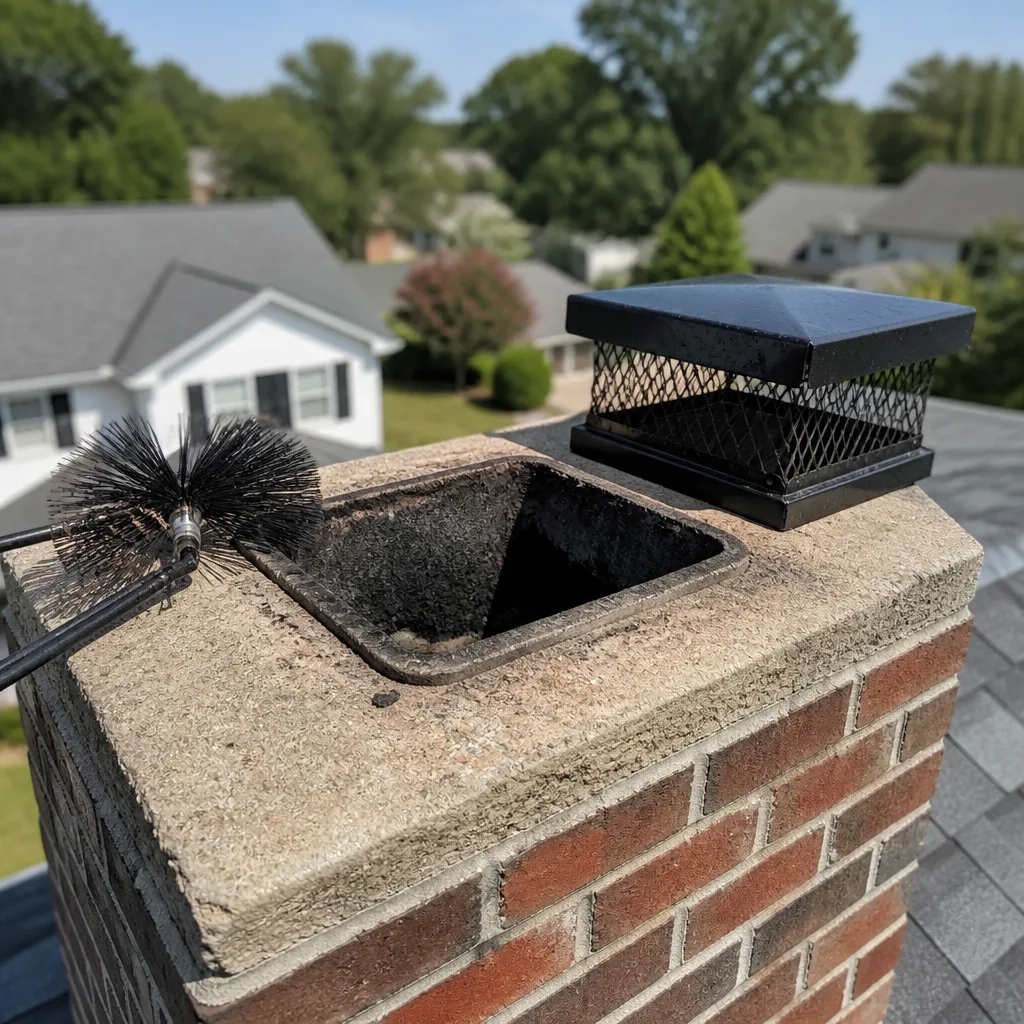
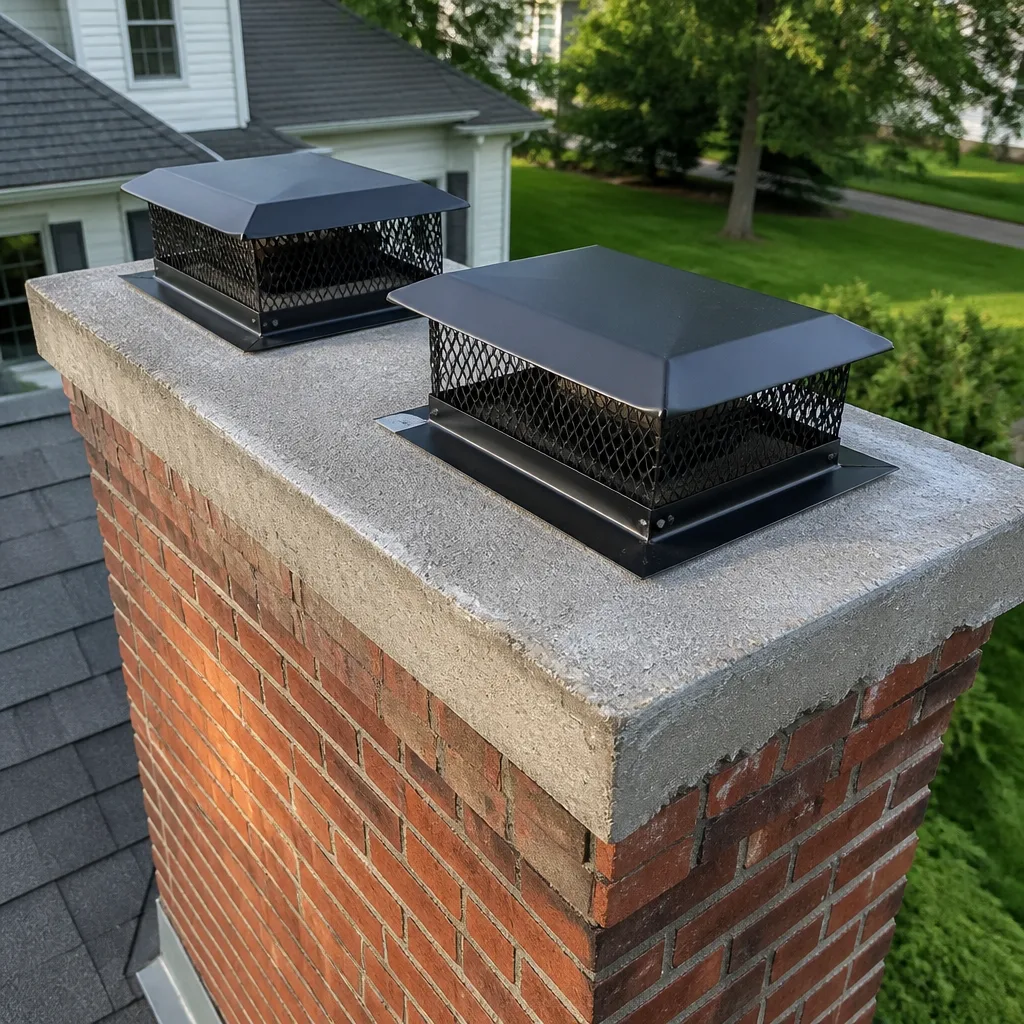

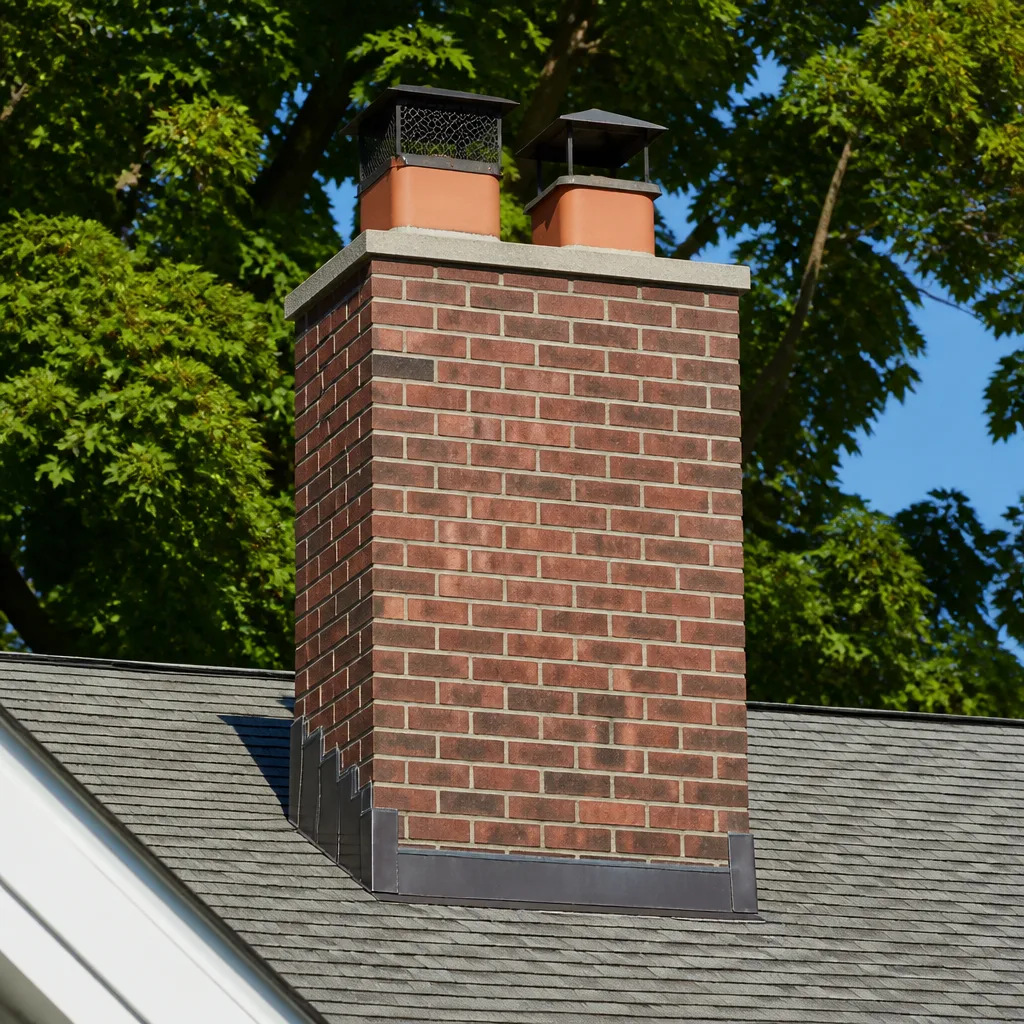
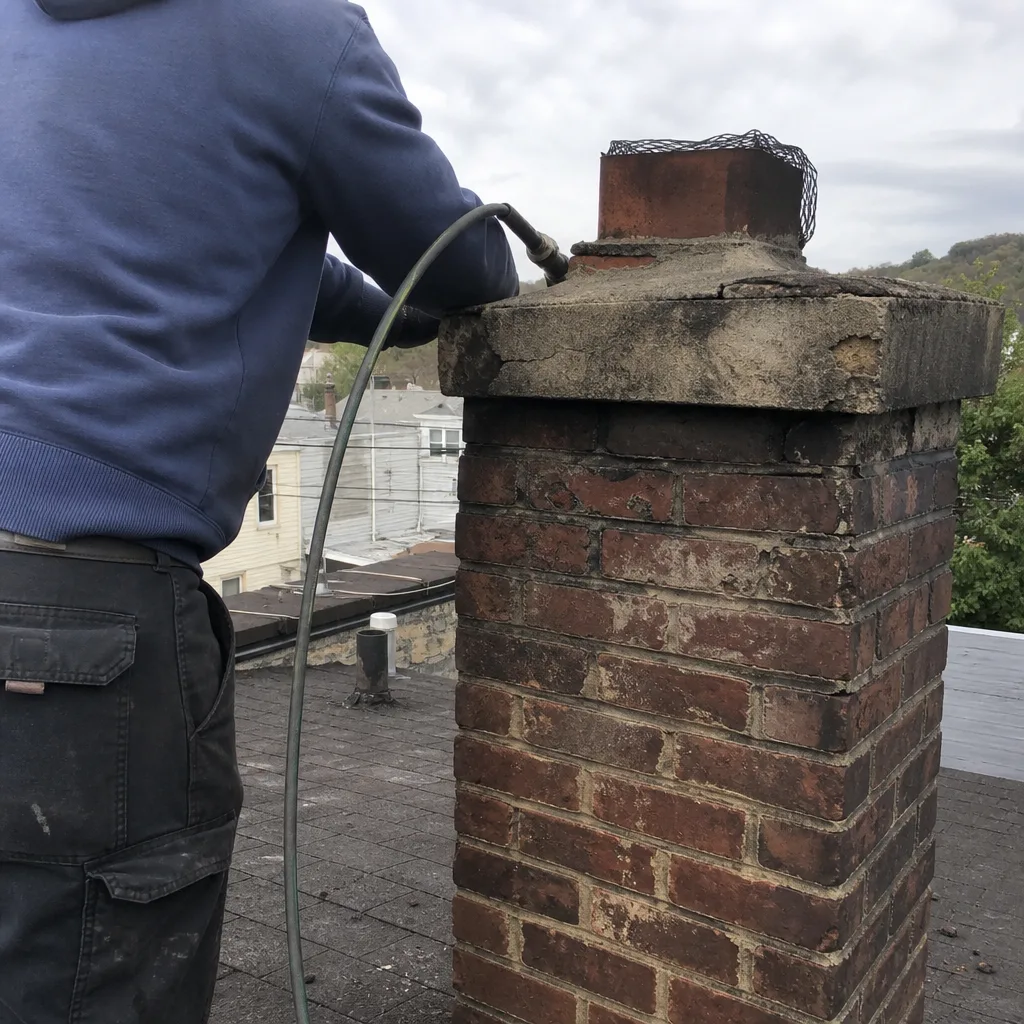 Before
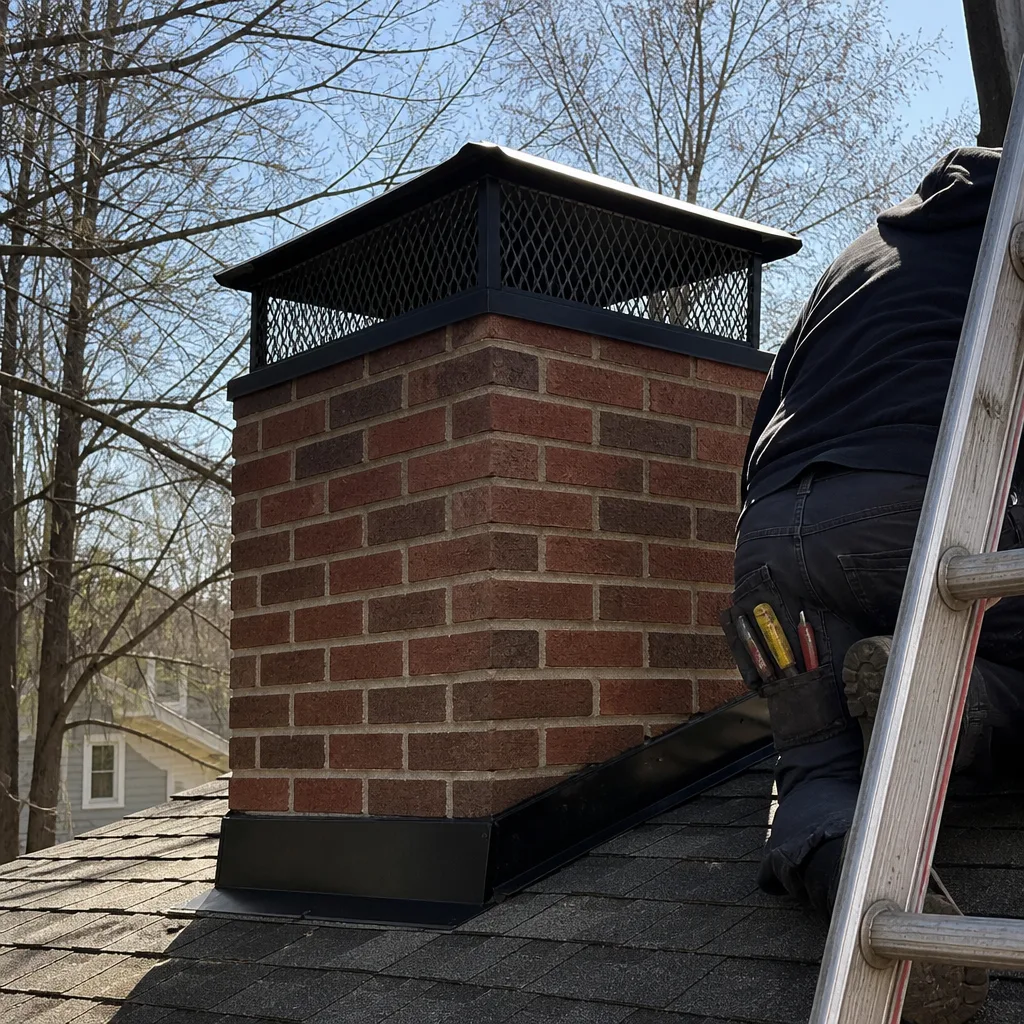 After
After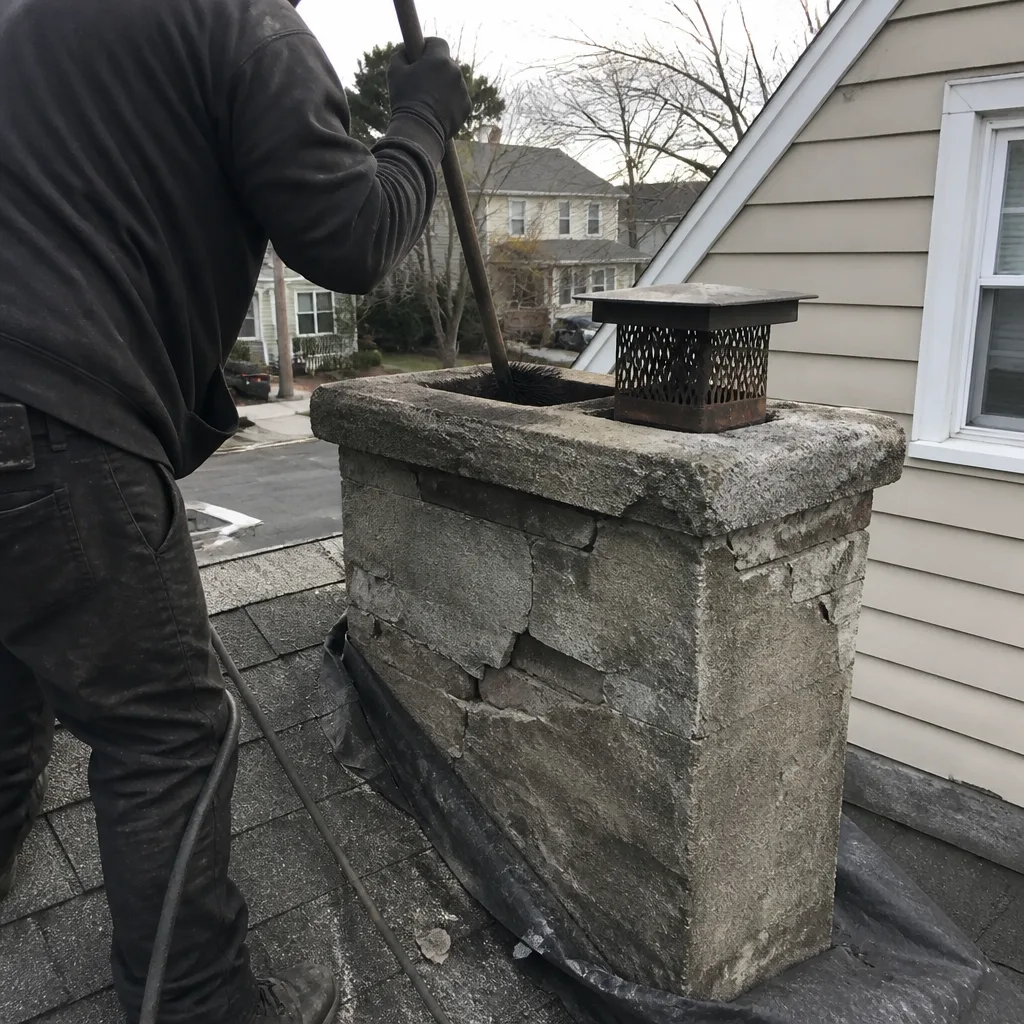 Before
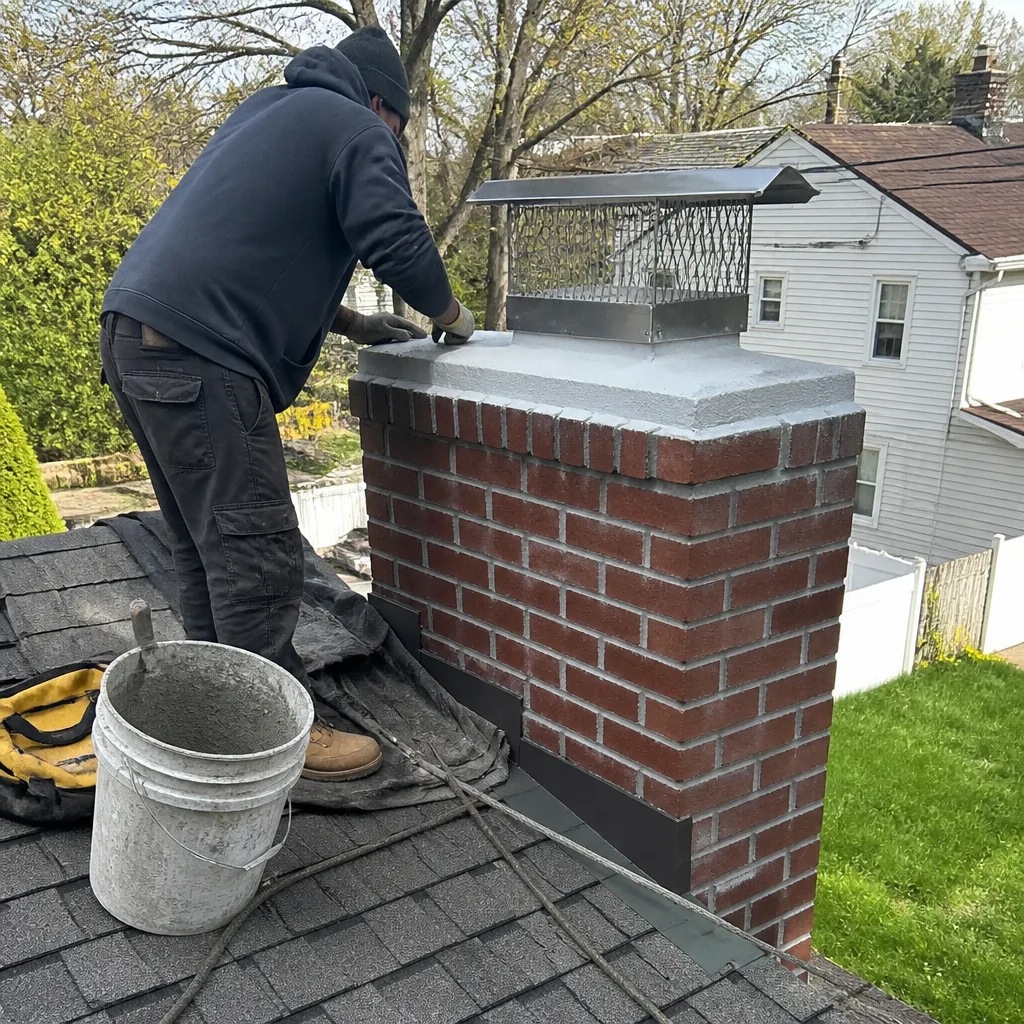 After
After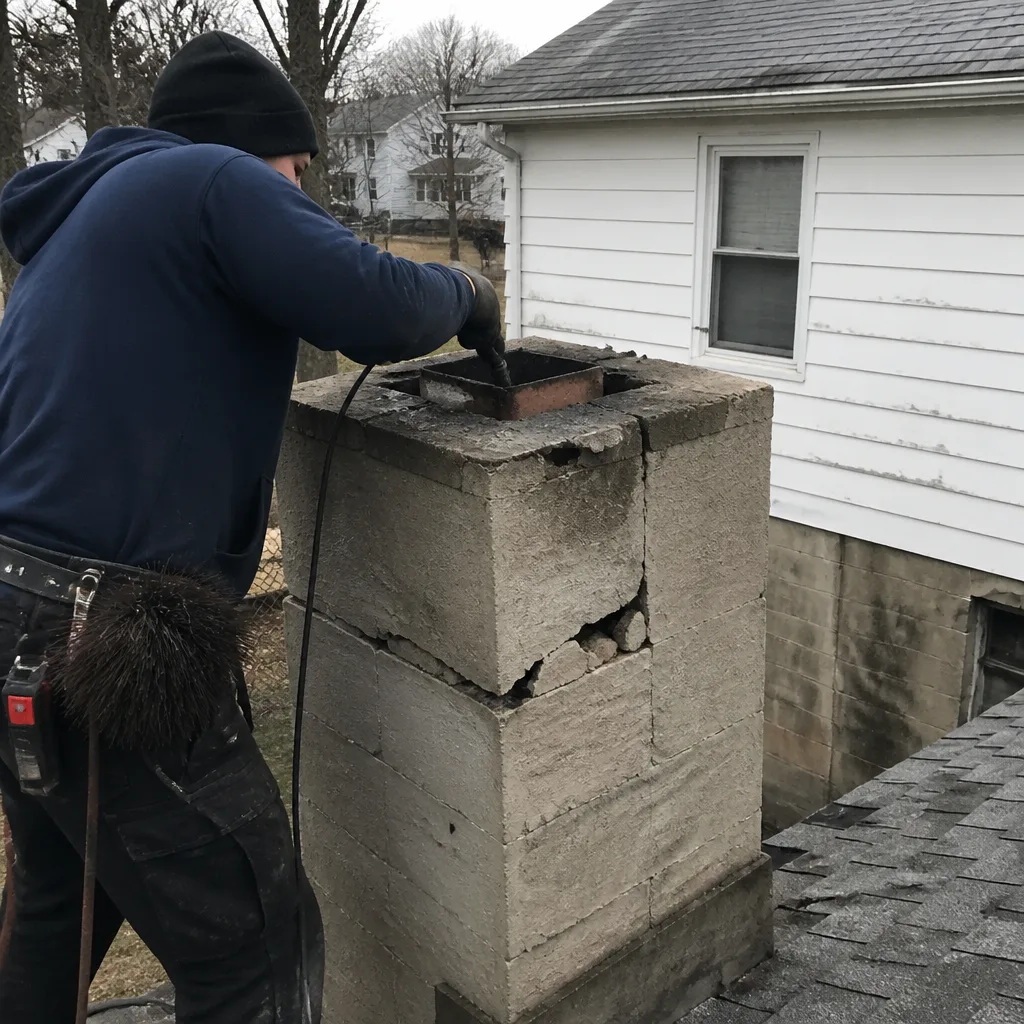 Before
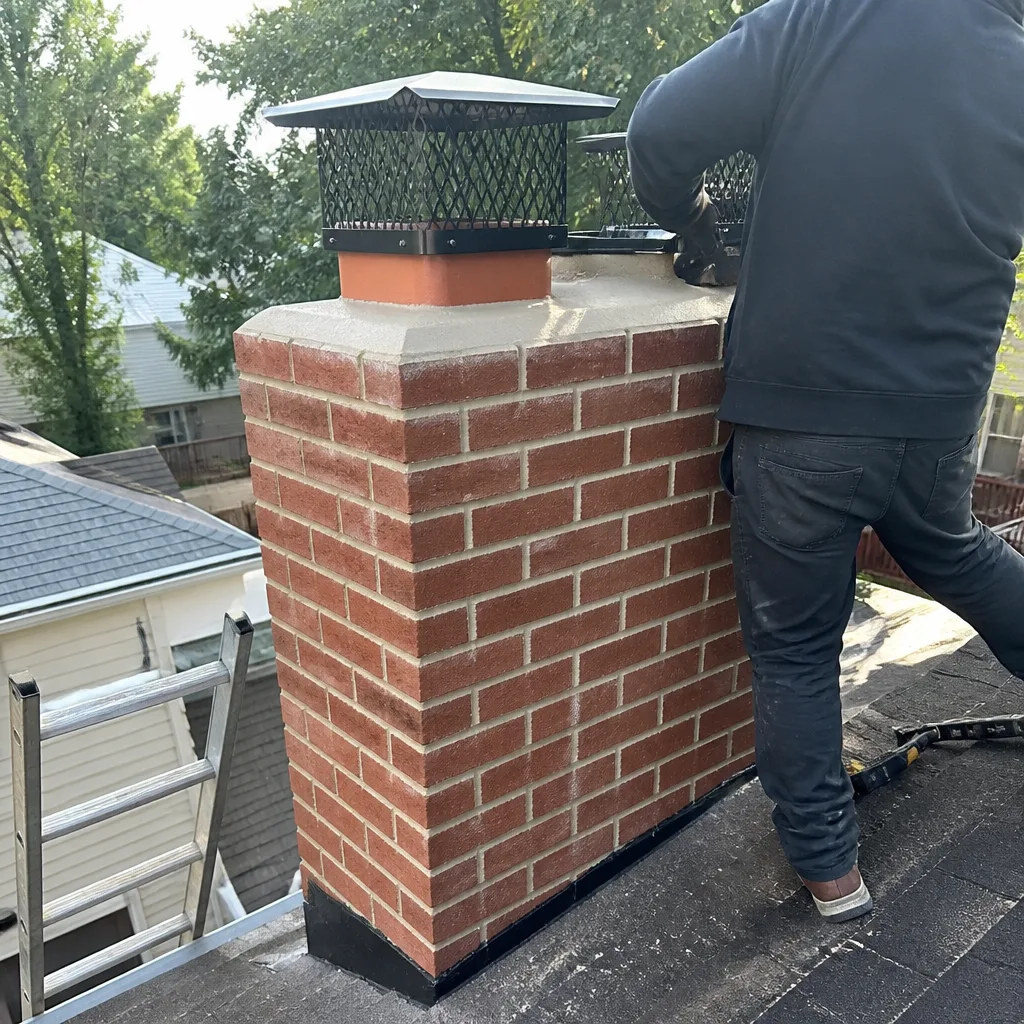 After
AfterChimney Cleaning Permits, Codes & Inspections in NJ: What You Need to Know
Here’s something that catches Paterson homeowners off-guard every selling season: New Jersey’s Uniform Construction Code treats a chimney relining the same as a structural alteration. That means unpermitted liner work can surface as a defect on a home sale inspection and cost you far more than the permit would have. Most chimney cleaning work in NJ does not require a permit, but the repairs discovered during cleaning often do. Homeowners who don’t understand the distinction end up either over-paying for unnecessary permit pulls or, worse, signing off on liner work that was never properly inspected. In this guide, we’ll draw the line between maintenance and regulated alteration, explain what NFPA 211 actually requires, and show you how to protect yourself when a contractor says the work is “grandfathered in.” For more context, see our Complete Guide to Chimney Cleaning in Paterson.
Quick Answer
Chimney cleaning and sweeping in New Jersey generally does not require a permit under the Uniform Construction Code. However, chimney relining, crown replacement, structural rebuilds, and any alteration to the flue system do require permits. A Level 2 camera inspection is mandatory when buying a home or after a chimney fire, and the written report satisfies real estate requirements in Passaic County.
Table of Contents
- UCC vs. Maintenance: What Needs a Permit in NJ
- NFPA 211 Inspection Levels: What the Code Actually Requires
- How Paterson Code Enforcement Works with State Standards
- How to Confirm Your Contractor Pulled Required Permits
- Written Inspection Reports and Real Estate Transactions in Passaic County
- Permit Costs, Timelines, and Common Delays
- Liability Exposure: What Happens When Permits Are Skipped
- Common Mistakes to Avoid
- When to Call a Professional
- Frequently Asked Questions
UCC vs. Maintenance: What Needs a Permit in NJ
New Jersey’s Uniform Construction Code (UCC), adopted under the Department of Community Affairs, divides chimney work into two categories: routine maintenance and regulated construction. Understanding which side your job falls on saves money and prevents headaches at closing.
No permit required: These are maintenance activities that preserve the existing condition without altering structure or flue capacity.
- Chimney sweeping and creosote removal
- Level 1 and Level 2 inspections (visual and camera)
- Minor repointing of mortar joints (less than 25% of total surface area)
- Chimney cap installation (non-structural, slip-on or clamp style)
- Firebox brick replacement using like-for-like materials
- Damper repair or replacement (same size and location)
Permit required: These activities alter the structure, flue system, or appliance connection and trigger UCC review.
- Chimney relining (stainless steel, cast-in-place, or Chimney Repair in Paterson involving liner replacement)
- Crown replacement or reconstruction (alters weatherproofing system)
- Structural rebuild of more than 25% of chimney height
- Addition or removal of a flue (multi-flue modifications)
- Alteration of flue diameter or material
- Installation of a new wood-burning appliance or insert
- Conversion from oil to gas or vice versa
Here’s where Paterson homeowners get tripped up. A contractor might bundle a sweep with “a quick liner check” and discover the flue is compromised, which is one of the key Chimney Cleaning Warning Signs every Paterson homeowner should watch for. If they propose a stainless steel liner from a brand like DuraFlex or Olympia Chimney, that’s no longer maintenance. It’s a regulated alteration. The permit must be pulled before work begins, and in Paterson, that means filing with the city’s Building Department on Market Street.
We’ve seen this scenario dozens of times in the Hillcrest and Eastside neighborhoods, where 1920s brick chimneys have original terra cotta flue liners that have cracked from decades of freeze-thaw cycles. The sweep is maintenance. The liner replacement is construction. Two different conversations, two different cost structures, and two different paperwork requirements.
The contractor should flag this distinction during the initial inspection. If they don’t, ask directly: “Will this job require a UCC permit?” Any hesitation or dismissal (“we’ve done hundreds without permits”) is a signal to get a second opinion. Hearthstone Chimney Co. offers free second opinions on any written estimate, and we’ll tell you plainly whether your scope crosses into permit territory.
NFPA 211 Inspection Levels: What the Code Actually Requires
The National Fire Protection Association Standard 211 governs chimney inspection across the United States, including New Jersey. It defines three inspection levels, and knowing which applies to your situation prevents both under-inspection and overpayment for services you don’t need.
Level 1 Inspection
This is the baseline inspection performed during annual cleaning. The technician examines readily accessible portions of the chimney exterior, interior, and connecting appliance. No specialized tools or roof access required. A Level 1 is appropriate when:
- The appliance or venting system is being used as it was originally intended
- No changes have been made to the system
- No performance problems are reported
In Paterson, where many homeowners in the Lakeview section burn seasoned hardwood in original masonry fireplaces, a Level 1 paired with a thorough sweep is sufficient for annual maintenance. See our Chimney Cleaning & Sweep Maintenance Checklist for Paterson Homeowners for a full breakdown.
Level 2 Inspection
This is the camera inspection that generates the documented report buyers and insurers require. It includes everything in Level 1 plus examination of accessible attics, crawl spaces, and basements, plus video scanning of internal flue surfaces. A Level 2 is mandatory when:
- A home is being sold or transferred
- An appliance is being replaced or added
- A chimney fire has occurred
- Significant weather events or seismic activity may have caused damage
- The system is being used after a long period of disuse
Our Level 2 inspections end with photos you can see and a plain-English verdict. We use professional-grade camera systems to document every square foot of flue surface. The report includes timestamped images, measured defect dimensions, and a clear statement of whether the chimney meets code for its intended use.
Level 3 Inspection
This is invasive inspection reserved for suspected hidden hazards. It may require removal of building materials, chimney walls, or surrounding structure to access concealed areas. A Level 3 is triggered when:
- A Level 1 or 2 inspection reveals a suspected hazard that cannot be evaluated without demolition
- Catastrophic failure has occurred (collapse, major fire, lightning strike)
We’ve performed Level 3 inspections in Paterson’s historic districts after chimney fires compromised concealed framing. These are rare, but when needed, they must be thorough enough to satisfy both the fire marshal and your insurance adjuster.
The critical point: NFPA 211 is a standard, not a law. However, New Jersey has adopted it by reference in the UCC. That means a Level 2 inspection isn’t merely recommended after a chimney fire in Paterson; it’s code-compliant practice that your insurance company and future buyer can rely on.
How Paterson Code Enforcement Works with State Standards
Paterson operates under the New Jersey Uniform Construction Code with local enforcement through the city’s Division of Building, Housing and Planning. This creates a specific workflow that differs from neighboring municipalities.
State versus local authority:
The state DCA sets minimum standards. Paterson’s building official enforces them and can adopt additional requirements for historic districts or flood zones. For chimney work, the practical difference is minimal, but the paperwork path matters.
Who pulls the permit:
For residential chimney work, the licensed contractor typically pulls the permit. The homeowner can pull an owner-builder permit, but this assumes personal liability for code compliance and voids most contractor warranties. In our experience, no reputable chimney company in Passaic County asks the homeowner to pull their own permit.
The Paterson process:
- Contractor submits application with scope description, materials list, and NJ license number
- Building Department reviews for UCC compliance (typically 5-10 business days for standard chimney work)
- Permit issued with required inspection schedule (rough inspection for liner work, final inspection for all permitted jobs)
- Contractor schedules inspections at completion milestones
- Final approval generates certificate of compliance
Paterson’s location in a dense urban environment with mixed residential and commercial zoning means inspectors are familiar with chimney conditions specific to older housing stock. The city sees a high volume of multi-family conversions, so inspectors are particularly attentive to fire separation requirements between units.
One local wrinkle: Paterson’s historic preservation overlay in the Downtown Commercial Historic District requires additional review for exterior-visible chimney modifications. A crown rebuild using non-matching materials, for instance, may need Historic Preservation Commission sign-off. We’ve navigated this process for homeowners on Broadway and Main Street, and it adds roughly two weeks to the timeline but rarely blocks approval if materials are appropriate.
The climate factor matters too. Paterson’s freeze-thaw cycles are more severe than coastal New Jersey, and code inspectors know this. They’ll look closely at crown slope and overhang specifications, knowing that water infiltration in January leads to spalling brick by March. We specify Gelco and Copperfield caps and crowns with proper drip edges because they’ve held up through Paterson winters in our installations dating back decades.
How to Confirm Your Contractor Pulled Required Permits
This is where homeowners get burned. A contractor finishes the job, you pay, and two years later at closing, the buyer’s inspector notes unpermitted liner work. Now you’re facing a choice: retroactive permit with possible teardown inspection, or a price reduction that far exceeds the original permit cost.
Step-by-step verification:
- Ask before work begins. Request the permit application number. A legitimate contractor has this before starting.
- Verify online. Paterson’s permit records are accessible through the city’s building department portal. The state also maintains a UCC permit lookup through the DCA website.
- Request the inspection schedule. Permitted work requires rough and final inspections. The contractor should know when these are scheduled.
- Get the certificate. After final inspection, request a copy of the certificate of approval or compliance. This is your proof for future sales.
- Check the contractor’s license. New Jersey requires chimney contractors to hold a Home Improvement Contractor (HIC) registration. Verify through the NJ Division of Consumer Affairs.
Red flags that permits were skipped:
- The price seems significantly below other estimates (no permit fees, no inspection time built in)
- Contractor asks for cash payment or payment to a personal name rather than company
- No written contract specifying permit responsibility
- Work completed over a weekend or holiday when inspections can’t occur
- Contractor says “we’ve done this hundreds of times, permits are just bureaucracy”
We’ve been called to Paterson homes where the previous contractor installed a stainless liner, collected payment, and vanished. The liner was functional but unpermitted. The homeowner faced a $2,800 retroactive permit process including camera verification of the entire installation, or a $15,000 price reduction at sale. The original contractor was unreachable. This is why Hearthstone Chimney Co. documents every job with photos, pulls permits when required, and provides copies of all approvals.
Our Hearthstone Chimney Co. home page lists our HIC registration and insurance details. We don’t hide behind vague claims of being “fully insured” - we show you the documentation before work begins.
Written Inspection Reports and Real Estate Transactions in Passaic County
In Passaic County’s active real estate market, chimney condition has become a standard negotiation point. Buyers’ home inspectors routinely flag chimneys, and without documentation, sellers face demands for expensive remediation or credits.
What satisfies a real estate transaction:
A Level 2 inspection report from a qualified chimney professional meets the due-diligence requirement. The report should include:
- Date of inspection and inspector credentials
- Property address and system description (appliance type, flue dimensions, construction materials)
- Method of inspection (visual, camera, access points examined)
- Clear statement of code compliance or specific deficiencies
- Timestamped photographs of internal flue surfaces
- Recommendations with priority levels (immediate safety hazard versus maintenance item)
- Estimated scope and cost for recommended work
Passaic County real estate attorneys we’ve worked with in Paterson, Clifton, and Wayne consistently tell us that a documented Level 2 report prevents disputes. It gives buyers confidence that they’re not inheriting a hidden fire hazard, and it gives sellers a defensible position if a buyer’s inspector exaggerates deficiencies.
When the report reveals needed work:
If the Level 2 identifies a required repair, the seller has options. Complete the work with permits and provide the certificate of approval. Or disclose the deficiency and adjust price accordingly. What doesn’t work is ignoring it and hoping the buyer won’t notice. In Paterson’s competitive market, buyers are savvy, and their inspectors are thorough.
We’ve provided pre-listing inspections for homeowners in the South Paterson and Totowa sections. The $200-$400 inspection cost routinely saves $2,000-$5,000 in last-minute negotiation concessions. More importantly, it prevents deals from collapsing over chimney disputes.
The 90-Day Done Right Promise applies to all work we perform for real estate transactions. If the buyer’s inspector identifies an issue we addressed, we make it right. In writing, no arguing. That’s the Keystone Standard we’ve operated under since 1984.
Permit Costs, Timelines, and Common Delays
Permit costs in New Jersey are regulated by the UCC and based on project valuation. For chimney work, this translates to predictable fees that should be transparent in your estimate.
Typical permit costs for Paterson chimney work:
| Project Type | Estimated Permit Fee | Timeline |
|---|---|---|
| Chimney relining (stainless steel) | $150 – $350 | 5-10 business days for issuance; 2 inspections |
| Crown replacement/rebuild | $100 – $250 | 5-10 business days; 1-2 inspections |
| Structural rebuild (>25%) | $200 – $500 | 10-15 business days; multiple inspections |
| New appliance installation | $150 – $400 | 5-10 business days; rough and final |
| Maintenance (sweep, Level 1-2 inspection) | No permit required | Same-day to 2 weeks scheduling |
These fees are separate from contractor labor and materials. A reputable estimate line-items the permit fee rather than burying it in “miscellaneous.” For more guides & resources on navigating chimney work costs, explore our blog. Our no-hassle upfront pricing means the number on the estimate is the number on the invoice, including permit costs when applicable.
Common delay sources:
- Incomplete applications (missing contractor license, vague scope description)
- Historic district review (adds 10-14 days in designated Paterson areas)
- Weather-related inspection postponements (Paterson inspectors won’t climb wet roofs)
- Backlog during peak seasons (September-November permit volume peaks)
- Discovered conditions requiring plan revision (extensive hidden damage)
We schedule permit work with buffer time, especially for pre-winter jobs. A liner installed in October with proper permitting beats a rushed November installation that skips inspection. In Paterson’s climate, a chimney that passes final inspection before Thanksgiving is a chimney you can trust through February’s coldest stretches.
Materials matter for timeline too. We stock professional-grade liners and components from DuraFlex, HeatShield, and Olympia Chimney, which means most permitted jobs still complete in a single visit once the permit is issued. The permit wait happens before we arrive, not after.
Liability Exposure: What Happens When Permits Are Skipped
The consequences of unpermitted chimney work extend beyond resale complications. They create genuine liability exposure that homeowners rarely consider until it’s too late.
Insurance coverage gaps:
Homeowner’s insurance policies typically cover sudden, accidental damage. They exclude damage from work that violated building codes. If an unpermitted liner installation contributes to a chimney fire, your insurer may deny the claim. We’ve reviewed fire marshal reports in Passaic County where unpermitted work was cited as a contributing factor, and the homeowner faced six-figure losses without coverage.
Contractor accountability:
An unlicensed, unpermitted contractor is judgment-proof. If the work fails, you have no recourse through the state’s contractor guaranty fund. The fund only covers work performed by properly registered HICs. That “great deal” from an unpermitted operator becomes a total loss when they disappear.
Municipal enforcement:
Paterson’s building department can issue violation notices for unpermitted work, with penalties that compound daily. While enforcement typically follows complaints rather than proactive inspection, a neighbor’s complaint or a visible exterior modification can trigger action. Corrective permits cost more than original permits, and may require exposing completed work for inspector access.
Carbon monoxide and fire liability:
This is the serious one. Chimney systems contain combustion byproducts that can kill. An improperly installed liner, uninspected and unpermitted, can leak carbon monoxide into living spaces or accelerate creosote buildup to ignition. The liability isn’t just financial; it’s criminal negligence if someone is harmed.
We don’t say this to frighten. We say it because we’ve seen the aftermath. In 2019, we were called to a Paterson duplex where an unpermitted liner installation had created a gap between liner and flue wall. Carbon monoxide readings in the upstairs unit were lethal. The installer was unreachable. The landlord faced criminal charges and civil suits. The permit would have cost $200. The inspection would have caught the defect.
This is why Hearthstone Chimney Co. never skips required permits, never asks homeowners to look the other way, and always provides documentation. The 90-Day Done Right Promise is our minimum standard. Code compliance is non-negotiable.
Common Mistakes to Avoid
- Assuming all chimney work is maintenance. A “simple” liner replacement is structural alteration under UCC. Ask explicitly whether your scope requires permitting.
- Accepting verbal permit assurances. “Don’t worry, we’ll take care of it” means nothing without a permit number you can verify. Get it in writing.
- Skipping the Level 2 inspection when buying in Paterson. The Hillcrest and Eastside neighborhoods have beautiful pre-war housing with original chimneys. A general home inspector cannot evaluate internal flue condition. The $300 Level 2 prevents $5,000 surprises.
- Paying in full before final inspection. Reputable contractors structure payment with final balance due after permit approval. This aligns incentives.
- Ignoring seasonal timing. Permit backlogs peak in September and October. Schedule summer inspections and fall repairs to avoid winter delays.
- Hiring based on lowest price alone. An estimate that excludes permit fees isn’t cheaper; it’s incomplete. Compare total project cost including permits, inspections, and documentation.
- Discarding inspection reports. Keep Level 2 reports for the life of your homeownership. They’re valuable at sale and for insurance claims.
When to Call a Professional
Call a qualified chimney professional when you’re buying a home, selling a home, after any chimney fire or significant weather event, or if your annual sweep reveals conditions beyond routine maintenance. In Paterson’s housing stock, we also recommend professional evaluation before converting an unused fireplace to active use, and whenever you smell smoke in the house, see exterior brick deterioration, or notice water staining around the chimney.
Hearthstone Chimney Co. offers free estimates in Paterson. We’ll tell you plainly whether your situation requires a permit, what inspection level applies, and what documentation you’ll have at completion. Our background-checked, uniformed technicians complete most jobs in a single visit, and a live person answers every call, 24 hours a day, 7 days a week. Call (973) 604-2986.
Frequently Asked Questions
No. Chimney sweeping and cleaning are maintenance activities that do not require a permit under New Jersey’s Uniform Construction Code. However, if the sweep reveals damage requiring relining, rebuild, or structural repair, those subsequent activities may trigger permit requirements.
A Level 1 inspection during routine cleaning typically runs $100-$200. A Level 2 camera inspection with written report ranges $250-$400 in the Paterson market. Hearthstone Chimney Co. offers an $89 Seasonal Tune-Up that includes Level 1 inspection and sweep for qualifying systems. Call (973) 604-2986 for exact pricing based on your chimney configuration.
A general home inspector performs a visual, non-invasive examination from accessible areas. They cannot see internal flue surfaces, measure creosote accumulation, or evaluate liner condition. A Level 2 inspection uses specialized camera equipment to examine the entire flue interior, with documentation that satisfies NFPA 211 and real estate transaction requirements in Passaic County.
Generally no, for standard slip-on or clamp-style caps that don’t alter the chimney structure. However, if the replacement involves crown reconstruction, flue extension, or modification of the chimney top, permit requirements may apply. We evaluate this during our initial inspection and specify accordingly.
NFPA 211 recommends annual inspection for all chimney systems, with sweeping frequency based on use. In Paterson, where many homeowners burn hardwood 3-4 times weekly through winter, annual sweeping is typical. Oil and gas systems require less frequent cleaning but still need annual inspection for venting integrity, especially given our freeze-thaw climate that stresses masonry.
Uncleaned chimneys accumulate creosote, a combustible byproduct that ignites at 451°F. The resulting chimney fire can crack flue liners, damage surrounding structure, and spread to the home. Blocked or deteriorated chimneys can also vent carbon monoxide into living spaces. These are preventable hazards. Call (973) 604-2986 to schedule before burning season.
The Bottom Line
Most chimney cleaning in New Jersey needs no permit. The repairs that cleaning reveals often do. The distinction matters for your safety, your insurance coverage, and your home’s marketability. Understand whether your scope is maintenance or alteration before work begins. Verify permits were pulled when required. Keep documentation for the life of your ownership. In Paterson’s climate and housing market, these steps cost little and prevent costly surprises. Done right, and we stand behind it.
Written by Russell Haines, Owner at Hearthstone Chimney Co., serving Paterson since 2014.