
Level 1 sweep and inspection to the NFPA 211 annual standard - flue, crown, cap, and flashing checked and photographed
Chimney sweep logs do not sweep chimneys. They loosen some creosote - which then falls where a brush and vacuum still have to collect it.
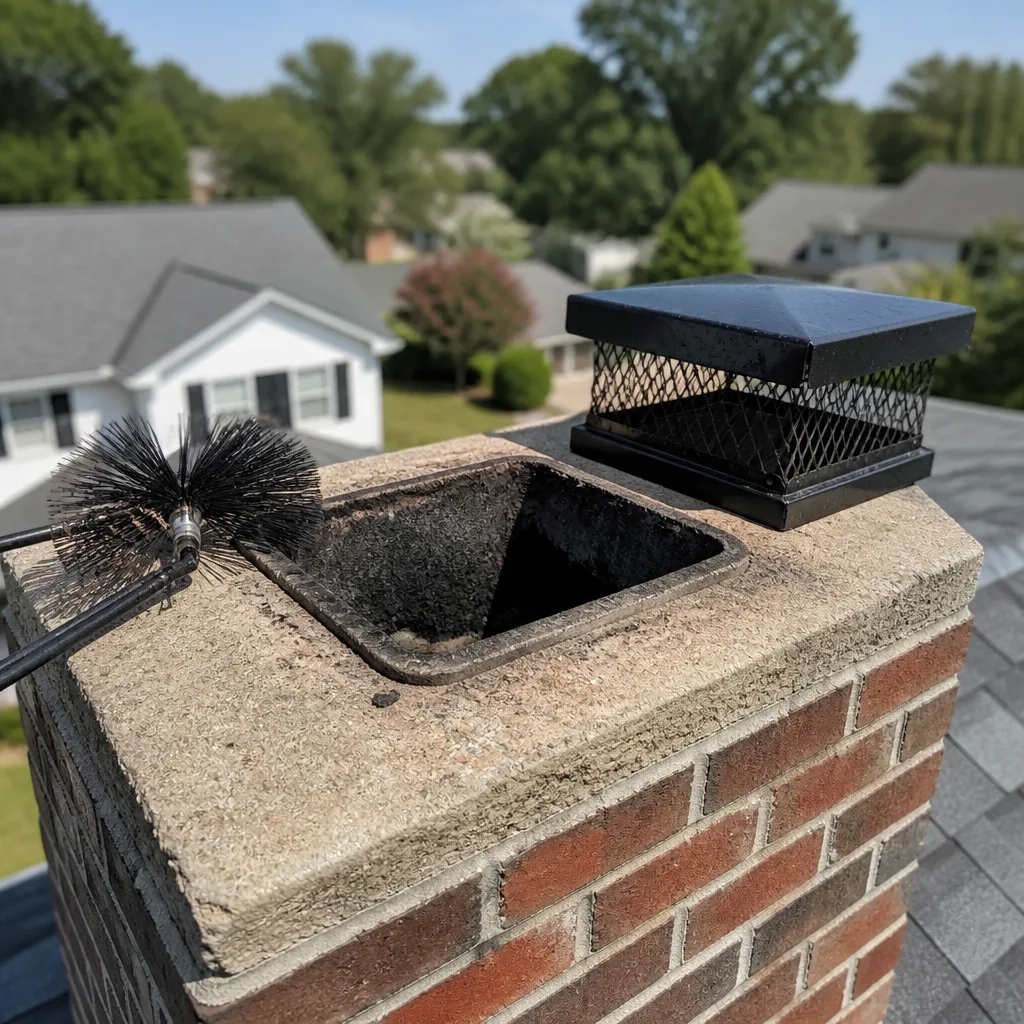
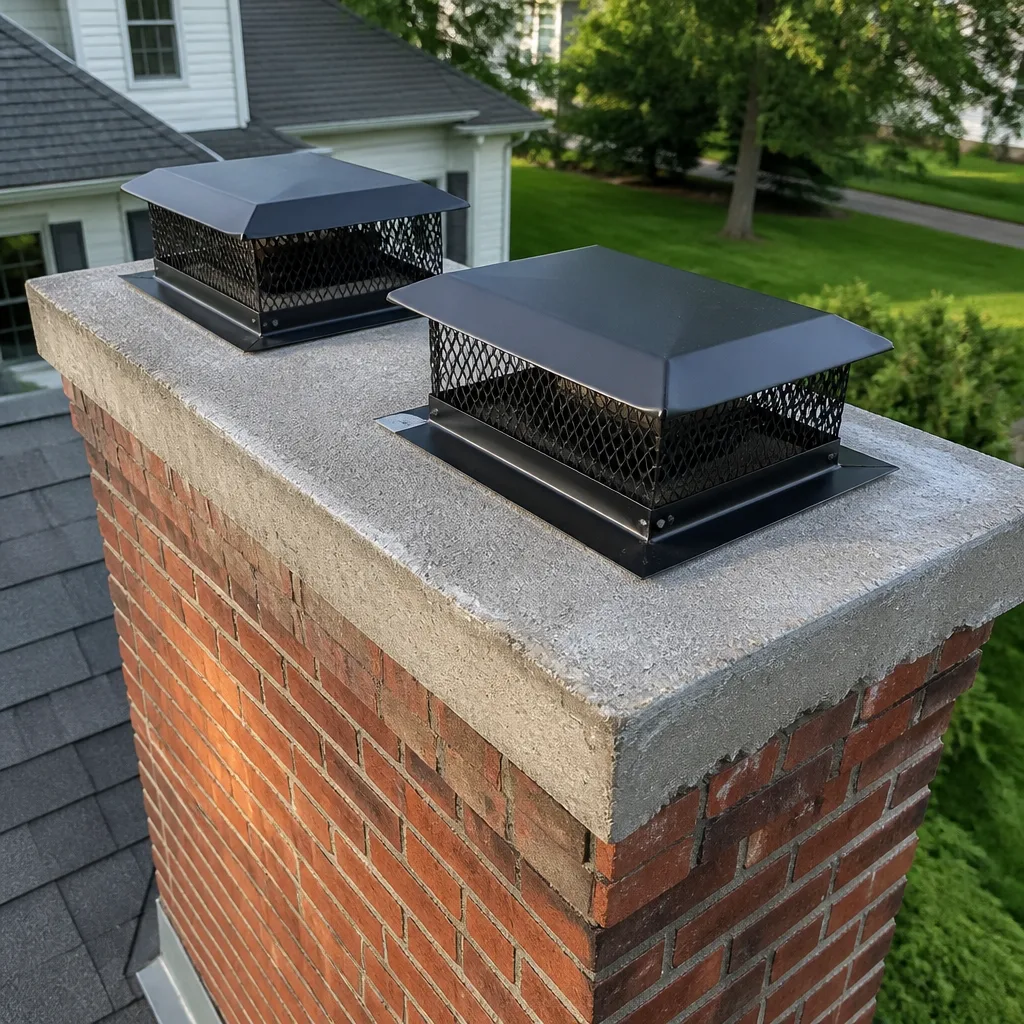

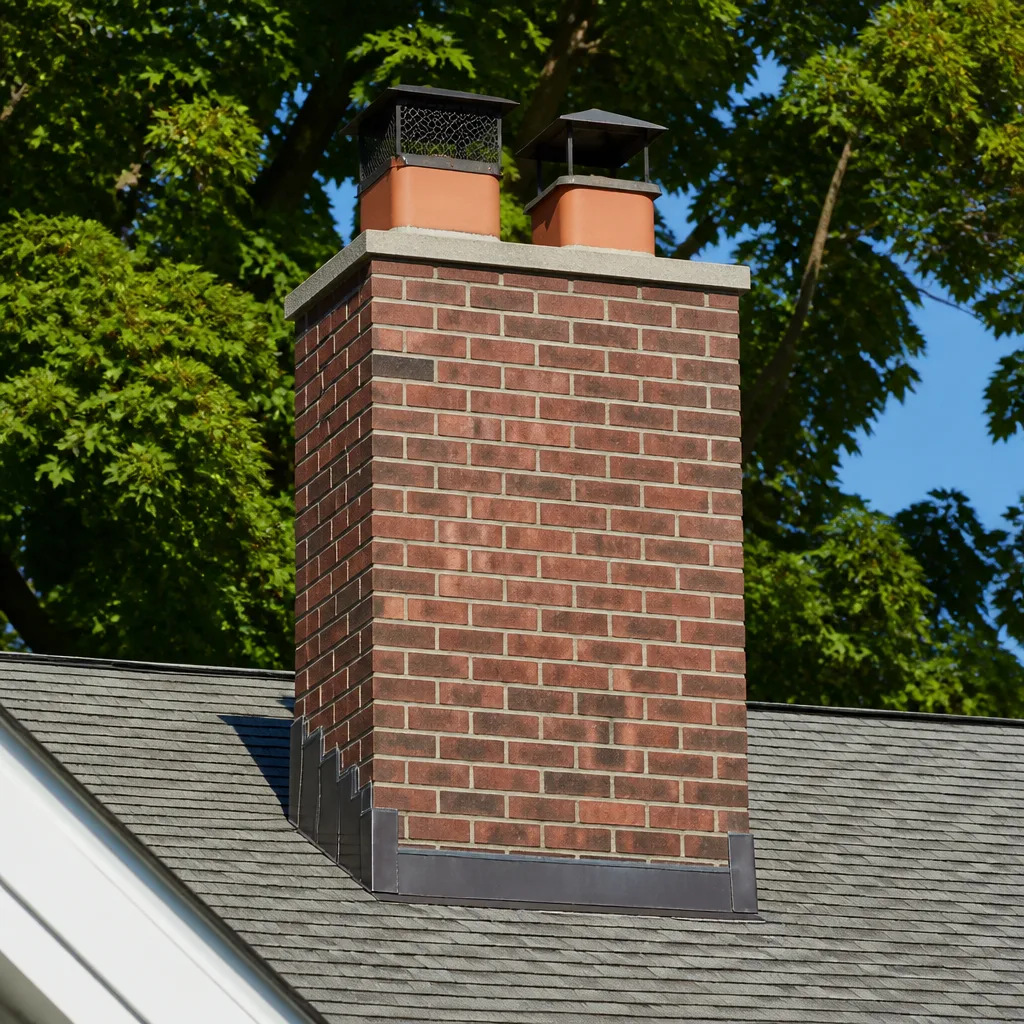
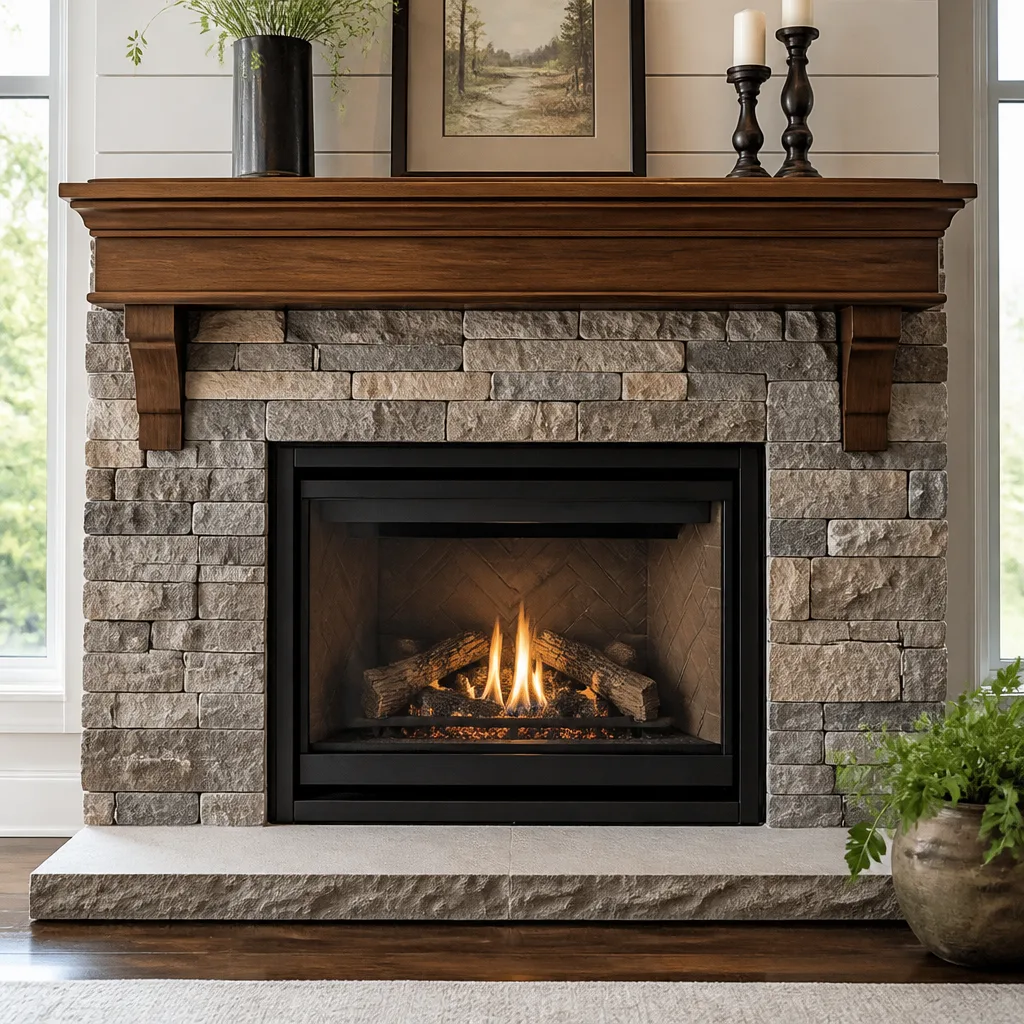
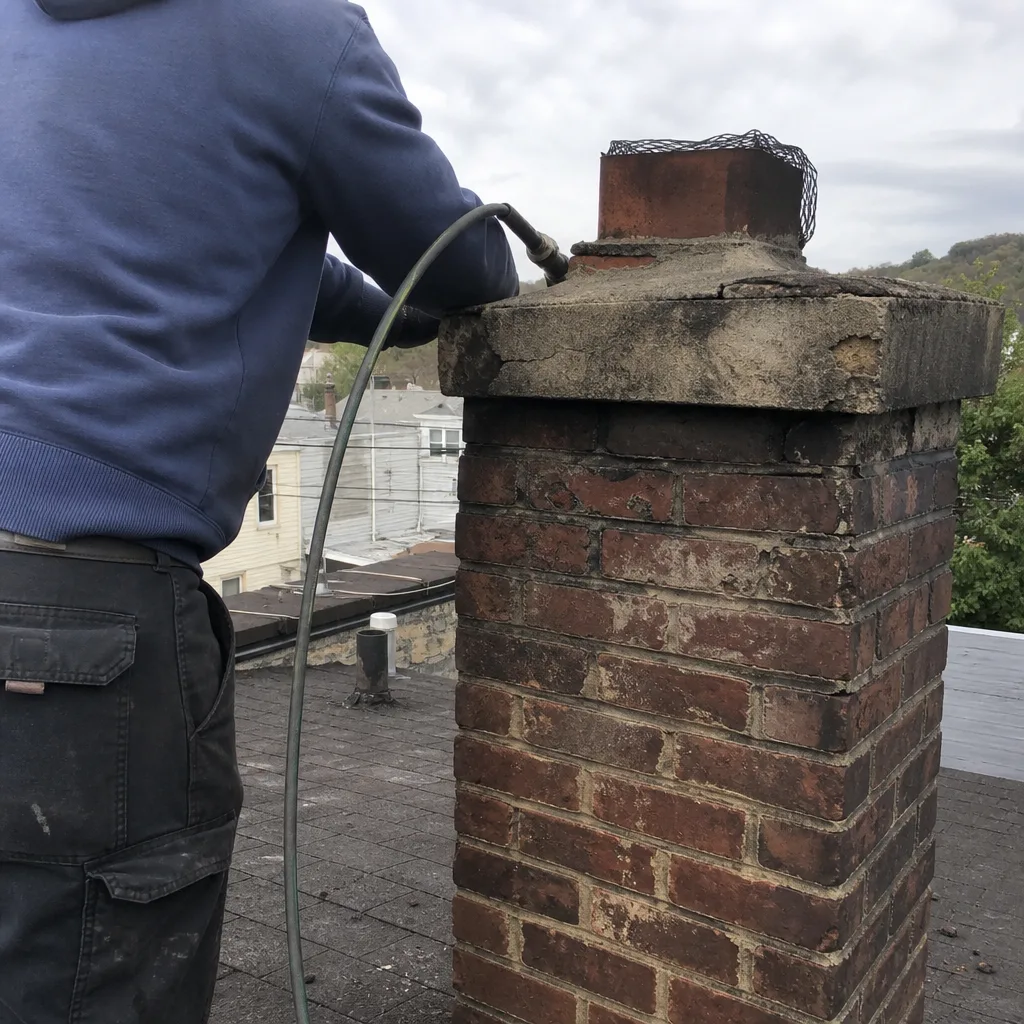 Before
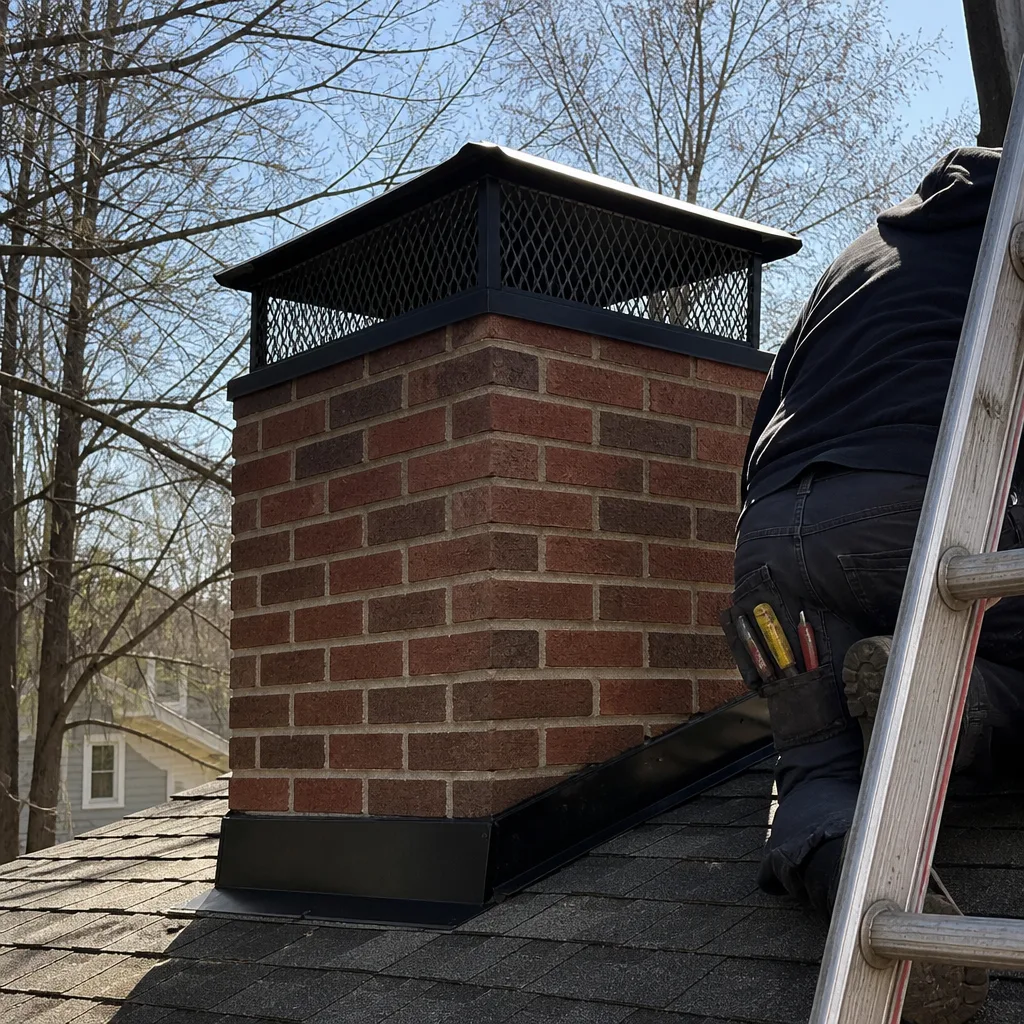 After
After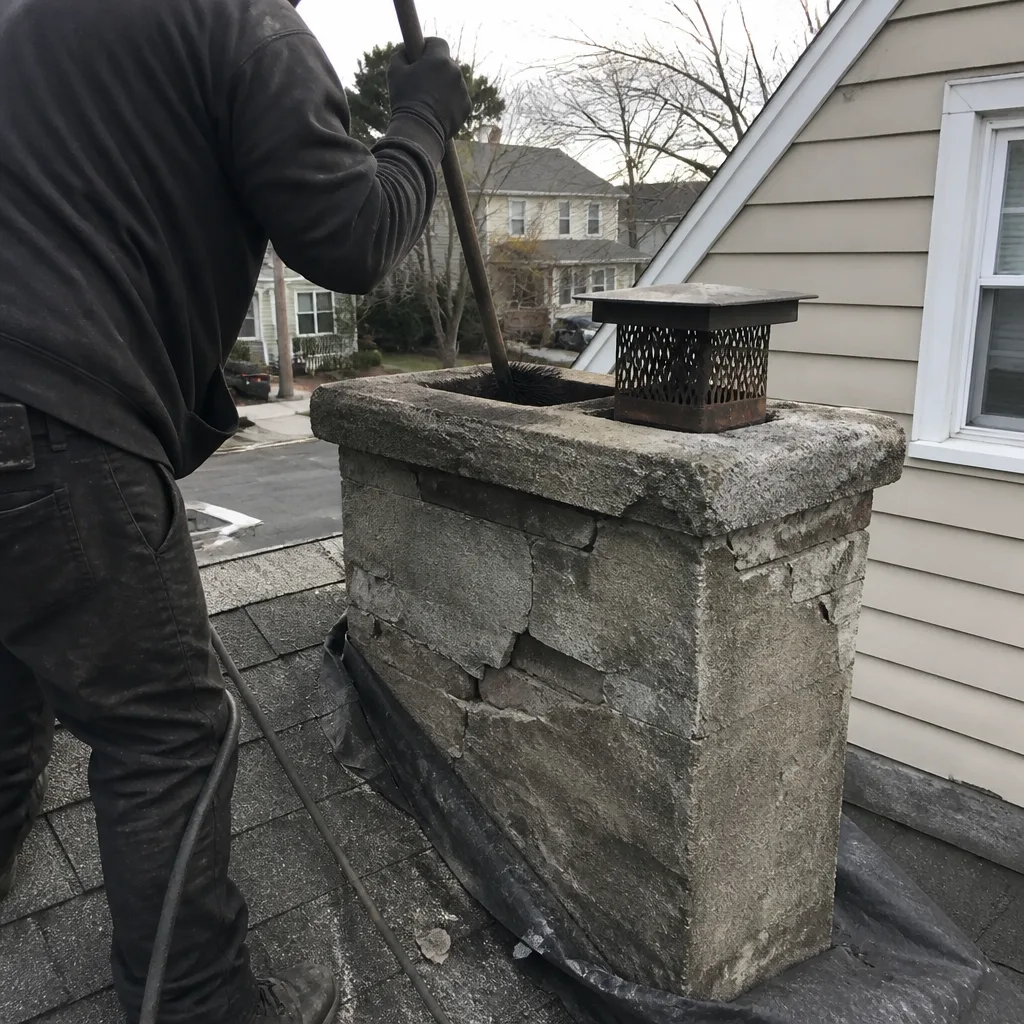 Before
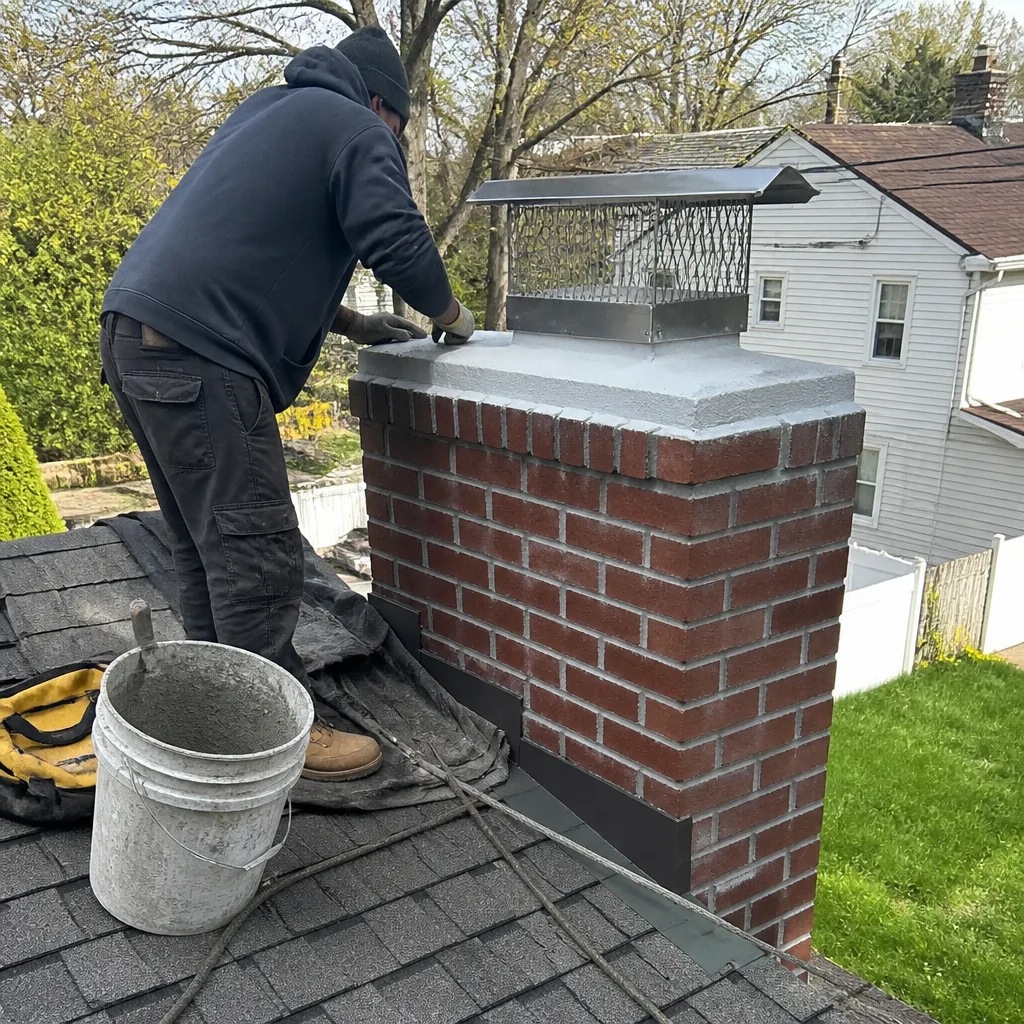 After
After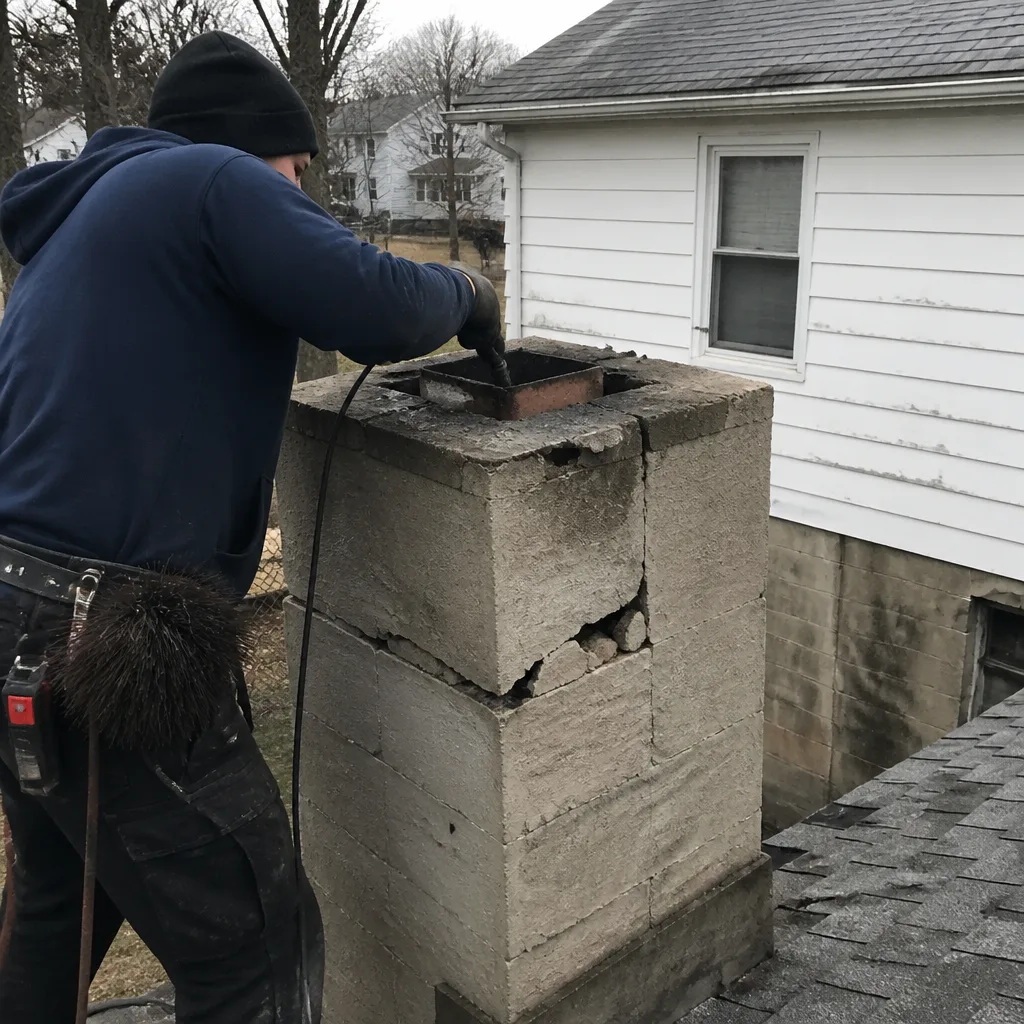 Before
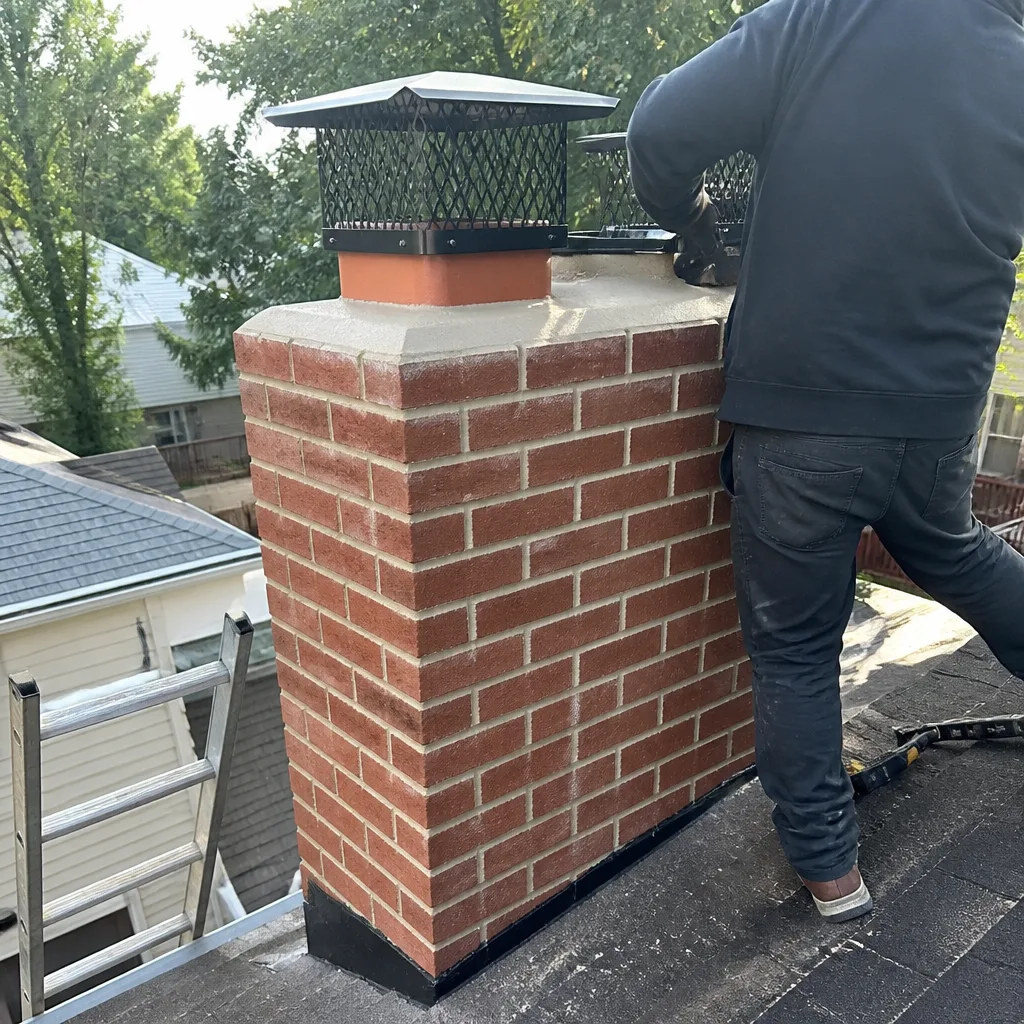 After
AfterCreosote Removal in Paterson, NJ
Creosote removal in Paterson typically runs between $150 and $450 depending on how far the buildup has progressed, and most jobs are completed in a single visit. It’s the most fire-critical part of chimney maintenance – a thick deposit of third-degree creosote can ignite at temperatures a normal wood fire can reach, and chimney fires in Passaic County older housing stock move fast. If your chimney hasn’t been cleaned or inspected in more than a year, there’s a reasonable chance creosote is building toward a stage that Chimney Cleaning & Sweep services alone won’t touch.
Hearthstone Chimney Co. has been removing creosote from Paterson chimneys since 1984. Russell Haines built this company on the idea that a homeowner deserves a plain-English explanation of what’s in their flue and a written commitment that the work holds. Our Chimney Cleaning & Sweep in Paterson service covers routine annual maintenance, but creosote removal is a step beyond that – it calls for specific chemical treatments, rotary cleaning systems, and a Level-2 camera inspection to confirm the flue is clear before we call the job done. Call us at (973) 604-2986 and a live person will pick up, day or night.
Paterson’s housing stock adds a layer of complexity here. A large portion of the city’s homes were built between the 1920s and 1960s, many with original clay-tile flue liners that are now cracked or offset. When a liner is compromised, combustion gases don’t draft cleanly, wood smoke lingers longer in the flue, and creosote accumulates faster than it would in a properly functioning system. We see this pattern regularly in the Hillcrest, Eastside, and Totowa Avenue corridor neighborhoods. Knowing the local construction history matters when you’re diagnosing a creosote problem – it tells you whether you’re treating a symptom or the underlying cause.
When You Need Creosote Removal
Routine sweeping handles light, brushable creosote – what the industry calls Stage 1. The situations below call for something more deliberate. These are the signals we ask Paterson homeowners to pay attention to:
- A strong, acrid odor coming from your fireplace, especially in humid weather. Paterson’s summers are humid, and moisture activates creosote’s sulfur compounds. A persistent smoky or tar-like smell when the fireplace isn’t in use is almost always Stage 2 or Stage 3 buildup.
- Visible black, shiny, or puffy deposits on the firebox walls or smoke shelf. Shiny or glazed creosote is Stage 3 – the most dangerous form. Standard wire brushes don’t remove it. Chemical treatment is required before any mechanical cleaning can work safely.
- Reduced draft or smoke backing into the room during fires. Heavy creosote deposits narrow the effective diameter of the flue, restricting airflow. If your fireplace smoked well for years and has recently started backing up, the flue cross-section may be significantly reduced.
- You’ve been burning green or unseasoned wood, or using your fireplace daily through the winter. Both practices accelerate creosote formation. Homeowners in older Paterson neighborhoods who rely on their fireplace for supplemental heat during cold snaps – especially when gas bills spiked in recent winters – often come to us with significant third-degree buildup by March.
- You’ve had a chimney fire, even a small one you weren’t sure about. A flue fire can occur without anyone in the home realizing it – a rumbling sound, a smell like burning cardboard, or a damper that feels warmer than usual afterward. Any suspected chimney fire requires a Level-2 inspection before the fireplace is used again.
- It’s been more than two years since your last professional cleaning. The National Fire Protection Association standard is annual inspection and cleaning for active chimneys. In Paterson’s climate, where fireplaces often run from October through April, that interval is not conservative – it’s appropriate.
Our Creosote Removal Process
This is not a one-size process. What we do depends on what we find – and we look before we act. Here’s how a typical creosote removal job runs at Hearthstone Chimney Co.:
- Pre-job Level-2 camera inspection. Before we put a tool in the flue, we run a camera through it. You see the footage. We give you a plain-English description of what’s there – stage of creosote, any liner cracks or mortar joint gaps, any obstructions. This is not an upsell. It’s how you know what you’re actually paying to fix, and it’s how we know what we’re dealing with before our technician is working inside an active creosote environment. Photos are yours to keep.
- Chemical treatment for Stage 2 and Stage 3 buildup. Glazed or puffed creosote cannot be mechanically removed without first breaking down its structure. We apply a professional-grade creosote-modifying compound – formulated to convert hard, shiny deposits into a brittle, brushable form – and allow appropriate dwell time. We use materials from suppliers like Copperfield and Olympia Chimney because they’re sourced specifically for professional chimney work, not repackaged for general retail.
- Rotary mechanical cleaning. Once the chemical treatment has done its work, we run a high-rpm rotary cleaning system through the flue from the top. This removes the now-friable deposits thoroughly and is significantly more effective than a standard wire brush for any buildup beyond Stage 1. The firebox and smoke chamber are cleaned from below simultaneously.
- Smoke chamber and smoke shelf cleaning. The smoke chamber – the area directly above the damper – is one of the most overlooked creosote accumulation points in older Paterson chimneys. We clean it specifically, not as an afterthought. Heavy deposits here restrict draft and create a direct ignition risk because they sit closest to the fire.
- Post-cleaning camera confirmation. We run the camera again after cleaning so you can see the difference and we can confirm the flue is clear before closing up. If we find liner damage that wasn’t visible before – which occasionally happens when heavy creosote was masking cracks – we tell you what we found, what it means, and what it costs to address it. Upfront pricing means the estimate we give you is the number on the invoice.
- Written job report and 90-Day Done Right Promise. Every completed job comes with a written report that documents what we found, what we did, and the current condition of the flue. The 90-Day Done Right Promise is included in writing – no paperwork, no arguing. If something isn’t right, we come back and make it right. That’s the commitment Russell Haines has stood behind for over 42 years.
Creosote Removal Pricing in Paterson
Creosote removal in Paterson costs more than a standard Fireplace Cleaning because it involves chemical treatment, specialized equipment, and a Level-2 camera inspection – not just a brush run through the flue. Here’s what the pricing generally looks like in our Passaic County market:
| Service | Typical Price Range |
|---|---|
| Stage 1 creosote removal (light buildup, standard sweep) | $150 – $220 |
| Stage 2 creosote removal (chemical treatment + mechanical cleaning) | $250 – $375 |
| Stage 3 (glazed) creosote removal – single treatment | $350 – $600 |
| Stage 3 removal requiring multiple treatment sessions | $600 – $950+ |
| Level-2 camera inspection (included with removal) | Included |
| Smoke chamber cleaning (standalone) | $100 – $180 |
A few factors move the number up or down in Paterson specifically. Chimney height matters – a three-story row home in the Riverside or Wrigley Park neighborhoods has a longer flue than a Cape Cod on the city’s western edge, and longer flues take more time and material. The condition of the liner matters too – a cracked or collapsed clay liner traps creosote in ways that a sound liner doesn’t, and cleaning a damaged liner safely requires more care. Accessibility to the chimney top is a factor in Paterson’s denser residential neighborhoods, where rooflines are close together and chimney access sometimes requires specific ladder setups.
We currently offer $50 Off Any Repair Over $250, a permanent 5% Senior and Veteran discount, and a Free Second Opinion on any written estimate you’ve already received. If you’d like to know what your specific chimney will cost before committing to anything, call (973) 604-2986 for a free estimate. No-hassle upfront pricing means the number we give you is the number you’ll pay.
Why Paterson Homeowners Call Hearthstone
Russell Haines started this company in 1984, and the reason Hearthstone is still here four decades later isn’t a marketing strategy. It’s the straightforward result of doing the job correctly and standing behind it. Most of our Paterson customers are homeowners who’ve been in their houses a long time – people who remember when a tradesperson showed up when they said they would and charged what they quoted. That’s still how we operate.
Our technicians are background-checked and arrive in uniform. They carry professional-grade materials – products from Copperfield and Gelco, for example, rather than whatever’s cheapest at the wholesale distributor. The difference shows up not in the price tag but in the longevity of the result. A creosote-modifying compound that actually converts Stage 3 buildup does what it’s supposed to do. A cheaper alternative that doesn’t fully penetrate a glazed deposit leaves the hazard in place.
The Level 2 Inspection that accompanies every removal job isn’t a formality. In Paterson’s older housing stock, it’s genuinely diagnostic. We’ve found liner damage in Eastside chimneys that hadn’t been inspected in fifteen years – damage that was invisible from the firebox floor and that would have gone unfound with a brush-only sweep. When we find something, we document it with photos you can actually see, give you a plain-English explanation of what it means, and let you decide how to proceed. That’s the job done correctly.
The 90-Day Done Right Promise is in writing on every job. If something isn’t right within 90 days, we come back and make it right. No paperwork, no arguing. It’s not a marketing line – it’s the standard Russell Haines built this company on, and it’s what K.E.Y.S. means in practice: Krafted right, Every time, Your home first, Standing behind it.
For everything covered under our broader maintenance services, visit the home page to see what Hearthstone Chimney Co. does across the full range of chimney and fireplace work.
FAQs – Creosote Removal in Paterson
How do I know if I have Stage 3 creosote and not just normal soot?
Stage 3 creosote is hard, shiny, and often tar-like or foamy in appearance – it looks fundamentally different from the matte black soot that a standard sweep removes. If you shine a flashlight up into the firebox above the damper and see a glossy or blistered coating on the flue walls, that’s almost certainly Stage 3. You might also notice a persistent tar or chemical odor from the fireplace even when it hasn’t been used recently. The safest way to confirm it is a camera inspection – ours is included with any removal job, so you’re not paying separately to find out what you’re dealing with. Call (973) 604-2986 and we can usually schedule within a few days.
Is creosote removal the same thing as a chimney sweep?
No. A standard chimney sweep uses wire brushes to remove loose, Stage 1 deposits – the kind that accumulate after normal use with dry, seasoned wood. Creosote removal addresses Stage 2 and Stage 3 buildup, which require a chemical treatment to break down the hardened or glazed deposits before mechanical cleaning can work. It’s a more involved process that typically takes longer and costs more than a routine sweep. Most Paterson homeowners who’ve been burning wood regularly for several years without a professional cleaning will need removal, not just sweeping.
Can I use a creosote removal product from the hardware store instead?
Consumer-grade creosote logs and powder treatments sold at hardware stores are formulated for Stage 1 maintenance – they help prevent buildup from advancing, but they are not effective on Stage 2 or Stage 3 deposits. The National Fire Protection Association does not consider them a substitute for professional cleaning. A thick or glazed deposit in a Paterson chimney that has seen multiple heating seasons needs professional-grade chemical treatment and mechanical removal. Using a store product on Stage 3 creosote and then burning a fire on the assumption the hazard is gone is genuinely dangerous. We’re glad to give a second opinion on any chimney that’s already been treated if you’re not certain of its condition – that second opinion is free.
How often does a Paterson chimney need creosote removal?
Annual Level 1 Inspection is the right baseline for any chimney in active use, and for most Paterson homeowners burning wood through a full heating season, an annual professional cleaning – which catches and addresses early creosote before it advances – is the practical standard. Whether that cleaning requires full creosote removal or a standard sweep depends on what the inspection finds. Chimneys with older clay liners, chimneys that see daily winter use, or those where green or wet wood has been burned tend to accumulate Stage 2 deposits within a single season. The answer for your specific chimney is what the camera inspection shows, and we’ll tell you plainly what we find. Call (973) 604-2986 for a free estimate to start there.
Written by Russell Haines, Owner at Hearthstone Chimney Co., serving Paterson since 1984.